Dainty Moon Tattoos Behind the Ear: Inspiration, Styles & Tips
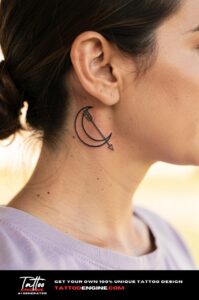
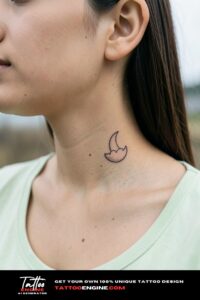
Dainty moon tattoos behind the ear are a favorite for their subtlety, symbolism, and the ease with which you can conceal or reveal them. This spot lets you enjoy personal, meaningful ink without making a loud statement, and the moon motif adds a timeless touch.
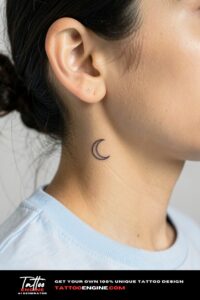
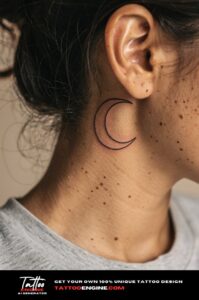
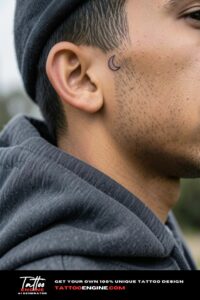
Why Choose a Dainty Moon Tattoo Behind the Ear?
This placement is discreet, making it ideal for those who want a tattoo that’s easily hidden by hair or shown off with a hairstyle change. The moon, especially in a minimal, delicate style, fits perfectly in this small, curved canvas. It’s a meaningful symbol for many, representing cycles, intuition, femininity, or personal growth.
Behind-the-ear tattoos often appeal to first-timers and collectors alike. You can keep it private for work or family reasons, or highlight it with short hair or an updo. The moon’s various phases let you tailor the design—crescent, full, or new—to your story or aesthetic.
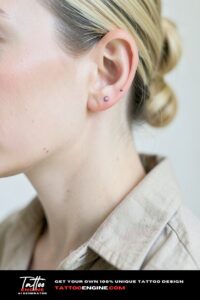
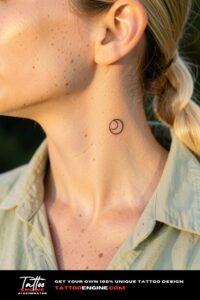
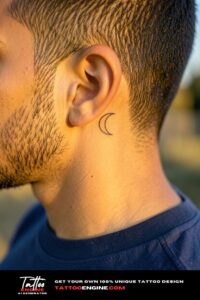
Placement: What to Know About Tattooing Behind the Ear
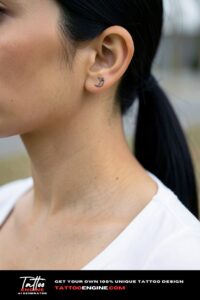
The area behind the ear is small and curved, so it suits simple, slender designs best. Artists commonly place the tattoo just below the hairline, following the natural curve behind the lobe or slightly higher, depending on your anatomy and hairstyle.
Because it’s a sensitive spot, you’ll feel the tattooing process more than on fleshier parts of the body. The skin is thin and close to the skull, so expect vibration and a buzzing sensation. Some people find it ticklish, while others report sharpness. Most dainty moon tattoos here are small and quick to complete, which helps with pain tolerance.
Visibility and Concealment
One of the main advantages is how easily you can cover or reveal this tattoo. Long hair hides it completely, while short hair or updos let it show. This makes it a flexible option if you need to keep tattoos low-profile for work or family.
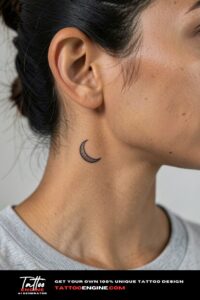
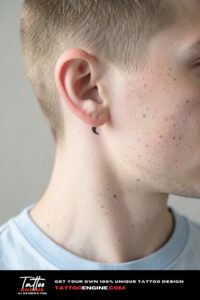
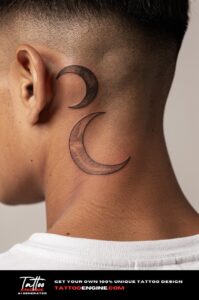
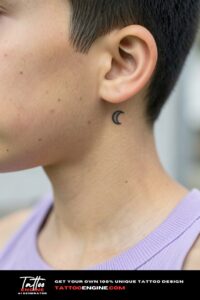
Design Size and Orientation
The area behind the ear doesn’t allow for large, detailed artwork. Most dainty moon tattoos are under 1-2 inches at their widest. The curve of your skull determines whether the moon sits upright, angled, or wraps slightly around the ear. Discuss orientation with your artist to suit your anatomy and desired visibility.
Style Variations for Dainty Moon Tattoos
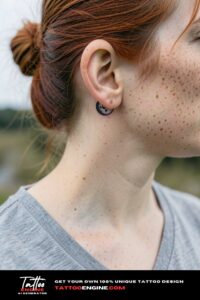
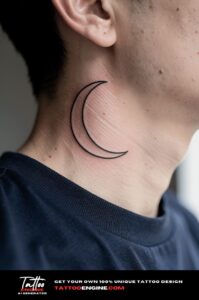
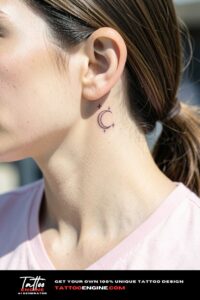
Minimalist designs are most popular, but there are many ways to personalize a moon tattoo behind the ear. Choose the phase, add subtle details, or include complementary elements for a unique look.
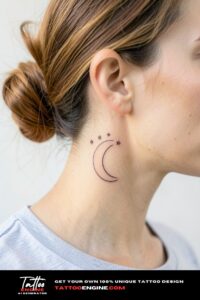
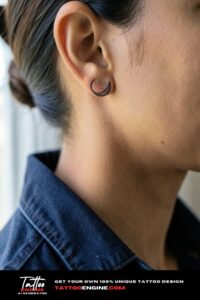
Popular Moon Phases
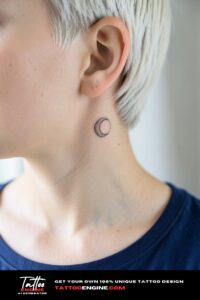
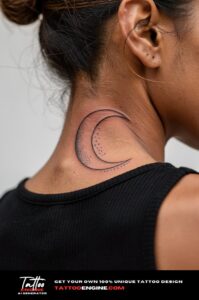
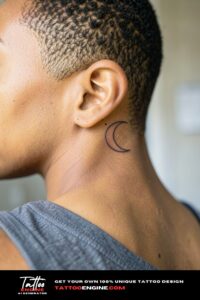
- Crescent: The classic dainty moon shape—simple, elegant, and instantly recognizable.
- Full moon: A small circle, sometimes with subtle shading or dotwork.
- Half moon or gibbous: For those who want something less common.
Additional Elements
- Stars: Tiny accompanying dots or twinkles add whimsy or a celestial feel.
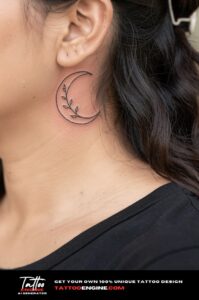
- Florals: Incorporate a sprig or petal for a feminine touch.
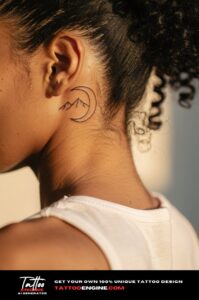
- Linework: Fine lines, geometric accents, or a delicate outline keep the design crisp.
- Dots and sparkles: Dotwork shading or small sparkles add dimension without clutter.


Color and Ink Choices
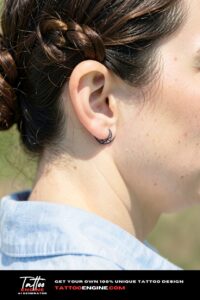
Most dainty moon tattoos behind the ear use black or gray ink for subtlety and longevity. Some opt for white ink for an ultra-discreet look, though it fades faster. Soft pastels, like blue or lavender, are occasionally used for a dreamy effect, but may not last as long in this area.
Custom Touches
You can incorporate initials, special dates, or personal symbols within or alongside the moon. These additions are best kept tiny to suit the scale and preserve clarity. Your artist can help refine the idea so it doesn’t blur over time.
Practical Considerations: Pain, Cost, Ageing, and Aftercare
Behind-the-ear tattoos are more uncomfortable than tattoos on the upper arm or thigh because the skin is thin and close to bone. Expect a sharp, buzzing sensation, but sessions are usually short—10 to 30 minutes for a dainty moon. Most people find the pain manageable.
Healing and Aftercare
This area heals quickly, but it’s exposed to hair, sweat, and friction from masks or glasses. Keep it clean and avoid touching or scratching. Use a gentle cleanser and pat dry. Apply a thin layer of fragrance-free ointment as directed by your artist.
- Sleep on the opposite side for the first few nights.
- Avoid hair products and makeup near the area until healed.
- Don’t pick at scabs or flaking skin.


Longevity and Fading
Ink behind the ear can last well, but may fade faster if exposed to sun, friction from glasses, or frequent hair washing. Black and gray ink hold up best. Touch-ups may be needed every few years to keep lines crisp, especially for very fine or white ink designs.
Cost Range
Dainty moon tattoos behind the ear are among the least expensive tattoos due to their size and simplicity. The final price varies by artist, studio minimums, and location. Expect to pay the shop minimum, which could range significantly. Always choose an experienced artist familiar with small, detailed tattoos in sensitive areas.
Is a Dainty Moon Tattoo Behind the Ear Right for You?
If you want a tattoo that’s meaningful yet easy to hide, this placement and style are a strong choice. The moon’s symbolism is rich, and the area suits dainty, minimalist designs. Consider your pain tolerance, aftercare commitment, and how much you want your tattoo to show in daily life.
Consult with your chosen artist about design, size, and orientation. Bring reference photos and be open about your expectations. With the right planning, a dainty moon tattoo behind the ear can be a subtle, enduring piece of body art that reflects your personal story.
Frequently Asked Questions
How painful is a dainty moon tattoo behind the ear?
+
Getting tattooed behind the ear is more painful than fleshier areas because the skin is thin and close to bone. Most people describe it as a sharp or buzzing sensation, but because dainty moon tattoos are small, the discomfort is usually brief and manageable.
How much does a small moon tattoo behind the ear cost?
+
Costs vary by artist and location, but dainty tattoos behind the ear often cost the shop minimum. Always ask your artist about pricing, and remember that experience with small, detailed tattoos is worth paying for.
How long does a behind-the-ear tattoo take to heal?
+
Most behind-the-ear tattoos heal within two to three weeks. Keeping the area clean, avoiding hair products, and not sleeping on that side during the first few days helps ensure proper healing.
Will a tattoo behind my ear fade quickly?
+
Tattoos behind the ear can fade faster due to sun exposure, friction from hair or glasses, and frequent washing. Black ink lasts the longest. Touch-ups may be needed every few years to keep fine designs crisp.
Can I hide a moon tattoo behind my ear easily?
+
Yes, this placement is easy to conceal with longer hair or certain hairstyles. If you prefer to show it off, a short haircut or updo works well.
What are the best styles for a dainty moon tattoo behind the ear?
+
Minimalist styles work best, including thin linework, crescent shapes, tiny stars, or subtle dotwork. Small additions like florals or initials can personalize the design without overpowering the space.
Do behind-the-ear tattoos stretch or blur over time?
+
The skin behind the ear doesn’t stretch much with age, so designs here usually hold their shape. Very fine lines or white ink may blur or fade faster, so discuss line thickness and ink choice with your artist.
More tattoo design ideas
- Elegant Collarbone Script Tattoos for Women: Inspiration & Advice
- Small Meaningful Wrist Tattoos for Women: Inspiring Ideas & Tips
- Stylish Neck Tattoos for Men: Guide & Inspiration
- Stunning Neck Tattoos for Women: Ideas & Tips
- Raven Tattoo Ideas: Symbolism and Inspiration
- The Allure of Feather Tattoos for Women: Symbolism, Design Ideas, and Inspiration
