Traditional Japanese Koi Fish Tattoos: Forearm Designs, Meaning & Placement
Traditional Japanese koi fish tattoos on the forearm are chosen for their vibrant looks and symbolic power—representing perseverance, transformation, and good fortune. The forearm’s visibility makes it ideal for showcasing detailed designs, while the tattoo’s meaning shifts with color, direction, and surrounding motifs. Understanding these elements helps you choose a tattoo with lasting significance and personal resonance.



Symbolism and Meaning of Koi Fish Tattoos
Koi fish tattoos in traditional Japanese art stand for strength, courage, and overcoming adversity. The koi’s legendary upstream journey, often against waterfalls, mirrors personal growth, ambition, and resilience in the face of hardship.
Every element in a koi tattoo can add layers of meaning:
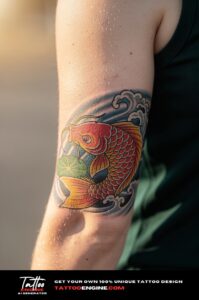
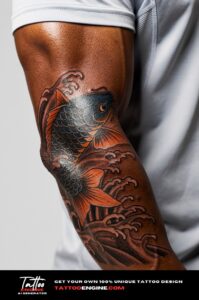
- Color: Red koi can symbolize love and bravery, while gold often means prosperity. Black koi are linked to overcoming adversity, and blue koi may represent masculinity or tranquility.
- Direction: A koi swimming upward might reflect ongoing struggles or ambition, while one swimming downward can signal achievement or a period of reflection.
- Accompanying motifs: Lotus flowers, water, waves, or dragon imagery deepen symbolic resonance—lotus for purity, waves for life’s challenges, and dragons for transformation or strength.
Choosing the right combination ensures your tattoo carries the message you want.


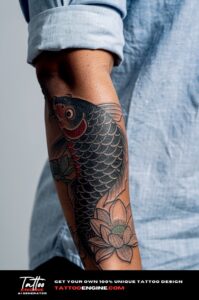

Design Variations and Style Choices
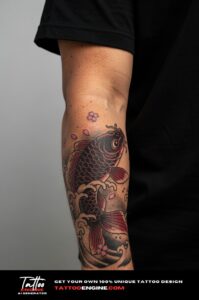
Traditional Japanese koi fish tattoo designs are bold, colorful, and highly detailed. Artists follow the Irezumi style, marked by thick outlines, saturated colors, and intricate backgrounds.
Classic Elements
Koi are usually depicted with flowing fins and exaggerated movement, surrounded by swirling water, wind bars, and sometimes cherry blossoms or maple leaves. The forearm shape suits these dynamic, elongated compositions.
Color Palettes
While classic designs favor vibrant reds, oranges, and blues, some opt for black-and-grey or muted tones for a more subtle look. The palette you choose should reflect both personal meaning and visibility preferences.
Single vs. Paired Koi
A single koi is most common for forearm pieces, but two koi—often swimming in opposition—can symbolize balance, duality, or yin and yang.


Forearm Placement: What to Consider
The forearm is popular for koi fish tattoos because it offers enough space for detail without needing a full sleeve. Both inner and outer forearms work well, each with distinct advantages.
- Inner forearm: Offers more privacy, less sun exposure, and typically less pain. The flat canvas suits detailed linework.
- Outer forearm: More visible, contoured for dynamic designs, and heals quickly thanks to thicker skin.
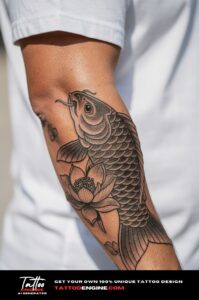
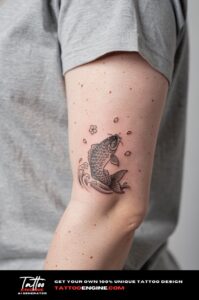
Size and orientation matter. A vertical koi running from wrist to elbow maximizes flow and visual impact. Some choose a wraparound style for a fuller, more immersive effect, but this requires careful planning for seamless artwork around the arm’s curve.



Style Variations: Modern Takes and Personalization
While traditional Irezumi remains the standard, many artists blend it with newer techniques or individual preferences. These modern twists help your tattoo stand out while honoring its roots.



Mixing Traditional and Modern Elements
Some clients request geometric backgrounds, minimalist water effects, or subtle color gradients. Others incorporate personal symbols or family crests, merging heritage with individual stories.
Incorporating Other Animals or Motifs
Adding dragons, phoenixes, or tigers alongside the koi can create a narrative of transformation, rivalry, or harmony. Placement on the forearm can support these multi-element scenes if planned carefully.

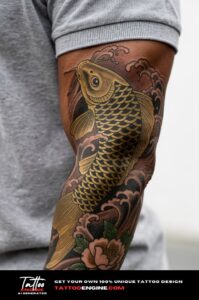
Practical Considerations: Pain, Cost, Ageing, and Aftercare
Getting a traditional Japanese koi fish tattoo on the forearm is generally less painful than on bony or thin-skinned areas. Most people describe the sensation as moderate—more intense near the wrist or inner elbow crease, milder on the outer forearm.
Cost depends on the design’s size, detail, and artist’s experience. Expect prices to range widely; a single-session koi may be affordable, while a full, multi-motif piece can require several sittings and higher investment.
Forearm tattoos age well if cared for. However, because the area gets sun exposure, fading is a risk—especially for vibrant reds and oranges. Daily sunscreen and occasional touch-ups help preserve color and detail.
Aftercare is crucial. Keep the tattoo clean, moisturized, and avoid direct sunlight during healing. Follow your artist’s instructions for the best long-term results.
Planning Your Forearm Koi Tattoo: Tips for the Best Result
Start by researching artists with experience in traditional Japanese style—their portfolios should display strong linework and mastery of color. Bring reference images and discuss your desired symbolism and placement. Allow the artist to adapt the design to your arm’s shape and personal story.
- Choose a design that resonates with your values or life journey.
- Consider how the tattoo fits with any existing ink or future plans for sleeves.
- Think about visibility for work or social settings—inner forearm is easier to cover than outer.
Collaboration with a skilled artist ensures your koi fish tattoo is both meaningful and visually striking.
Frequently Asked Questions
What does a traditional Japanese koi fish tattoo mean?
+
A traditional Japanese koi fish tattoo symbolizes perseverance, strength, and overcoming adversity. Additional meanings come from color, direction, and accompanying motifs.
Does a koi fish tattoo hurt on the forearm?
+
Forearm tattoos are usually less painful than places like ribs or feet. Pain is moderate, though areas near the wrist or inner elbow can be more sensitive.
How much does a traditional koi fish forearm tattoo cost?
+
Prices vary based on size, detail, and artist experience. A small koi may cost a few hundred dollars, while larger detailed work can be significantly more.
Which direction should the koi fish face on my forearm?
+
A koi swimming upward often represents ambition or ongoing struggle, while downward means achievement or reflection. Choose the direction that matches your story.
How can I keep my koi fish tattoo from fading?
+
Use sunscreen daily, especially on the forearm. Follow aftercare instructions, keep the skin moisturized, and consider occasional touch-ups to maintain vibrant color.
Can I combine other elements with my koi fish tattoo?
+
Yes, common motifs include lotus flowers, waves, dragons, or cherry blossoms. These can add personal meaning and enhance the design’s visual impact.
Is the inner or outer forearm better for a koi fish tattoo?
+
Both work well. The inner forearm is more private and less sun-exposed, while the outer forearm offers more visibility and a dynamic canvas.
More tattoo design ideas
- Geometric Wolf Tattoos on the Upper Arm: Designs, Meaning & Placement
- Delicate Snake Tattoos on the Forearm: Designs, Symbolism & Placement Tips
- Tiny Star Tattoos on the Neck: Ideas, Meaning & Placement Tips
- Realistic Lion Chest Tattoos: Bold Designs, Symbolism & Placement Tips
- Watercolor Flower Tattoos on the Forearm: Designs & Symbolism
- Minimalist Mountain Tattoos on the Calf: Best Designs & Placement Tips
