Cover-Up or Laser Removal? Choosing for the Tattoo You Regret
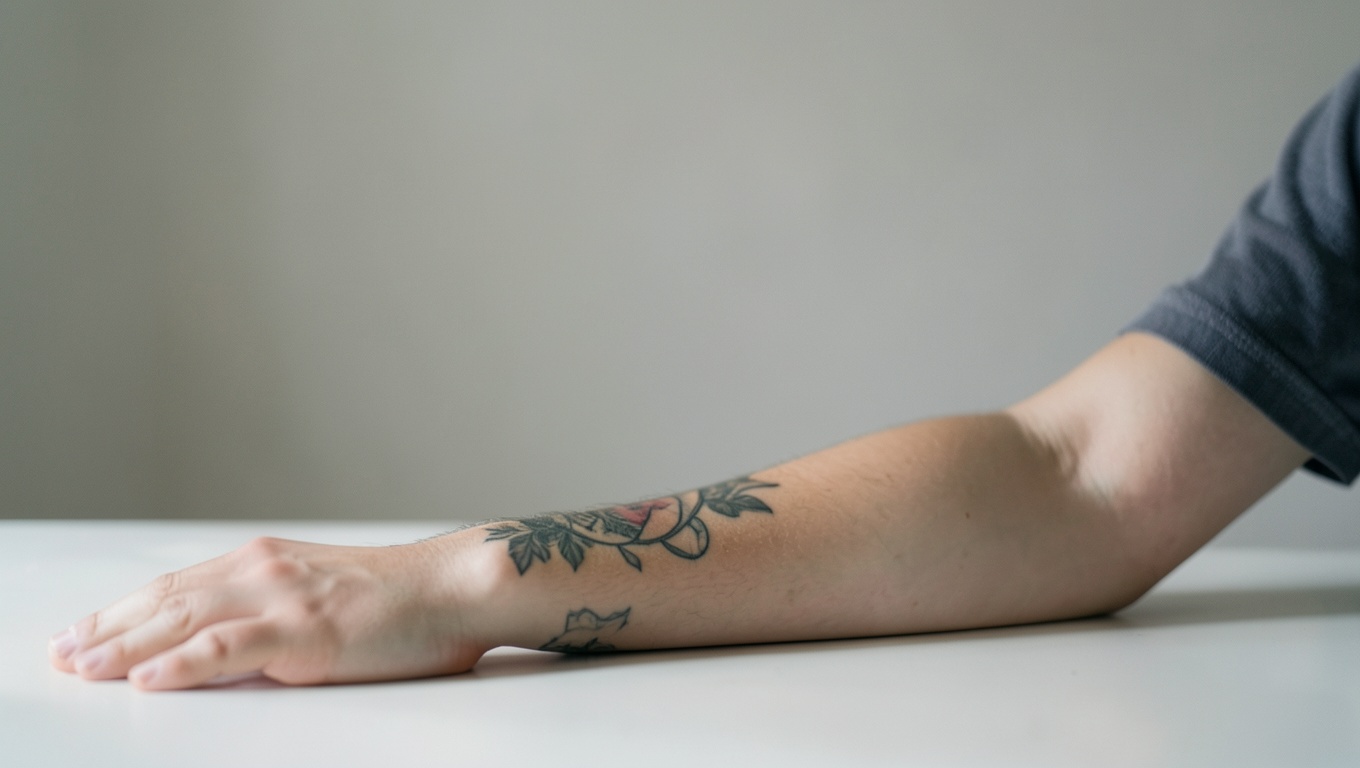
Quick answer: A cover-up is faster and cheaper — often 1–2 sessions, a few hundred to a bit more — but you end up with a new, usually larger and darker tattoo, and it only works for certain originals. Laser removal clears the tattoo entirely but takes many sessions over 1–2 years and costs more. The option most people miss is the hybrid: a few laser sessions to fade the old tattoo, then a cover-up, which gives the artist far more freedom and often costs less than full removal.
Regretting a tattoo is common and completely fixable — but the right fix depends on the tattoo you have and what you want instead. The three routes trade off cost, time, and how much freedom you get in the result. Here’s how to choose, with realistic numbers.
The three options at a glance
| Cover-up | Laser removal | Fade + cover (hybrid) | |
|---|---|---|---|
| Result | A new tattoo over the old one | Bare skin (mostly) | A new tattoo with more design freedom |
| Sessions | Usually 1–2 | Often 4–8+ | A few laser + 1–2 tattoo |
| Time | Weeks | 1–2 years | Several months to a year |
| Rough cost | A few hundred up | High — often four figures total | Between the two, often less than full removal |
| Best when | You want a different tattoo, not bare skin | You want it gone, or blank skin to start fresh | The old tattoo is too dark/big to cover cleanly |
Cover-ups: fast, but with rules
A cover-up tattoos a new design over the old one. It’s the quicker, cheaper route — often one or two sessions — and you walk away with fresh art rather than a removal scar-free patch. But it has real constraints:
- The new tattoo is usually bigger and darker. To hide old ink, the cover design generally needs to be larger and use darker, denser colours or heavy blackwork — you can’t cover a dark tattoo with a delicate fine-line one.
- Not every original can be covered cleanly. Very dark, dense, or large tattoos are hard to hide under anything that still looks good. A skilled cover-up artist can work wonders, but physics sets limits.
- It needs a specialist. Cover-ups are a genuine skill — choosing a design that neutralises the old one takes experience. Look specifically for an artist with healed cover-up work in their portfolio. Our guide on choosing an artist applies double here.
Laser removal: complete, but slow and pricier
Laser removal breaks the ink down over multiple sessions so your body can clear it, leaving mostly bare skin. It’s the choice when you want the tattoo gone rather than replaced, or when you want a clean canvas to start over.
- It takes many sessions. Commonly four to eight or more, spaced weeks apart, over one to two years, because the skin needs to recover between sessions and the ink clears gradually.
- Cost adds up. Priced per session, the total for full removal often runs into four figures, depending on size, colours, and how old the tattoo is.
- Some inks resist. Black clears most readily; certain colours (greens, light blues, yellows) are more stubborn and may need more sessions or never fully vanish.
The hybrid most people miss
Here’s the option that often makes the most sense and gets overlooked: a few laser sessions to fade the old tattoo, then a cover-up over the lightened version. You don’t pay for full removal — just enough sessions to lighten the original — and the cover-up artist then has vastly more freedom, because they’re working over faint ghost-ink rather than a dark, dense tattoo. That means a smaller, lighter, more flexible cover design instead of the big dark one a direct cover-up would force.
For anyone whose original tattoo is too dark or large for a clean direct cover-up, this is frequently the best result-per-pound. It costs more than a straight cover-up but usually less than full removal, and it opens up designs that neither pure option allows.
How to choose
- Want a different tattoo, and the original is light/small enough? Direct cover-up.
- Want bare skin, or a totally fresh start? Laser removal.
- Want a new tattoo but the original is too dark or big to cover cleanly? Fade-then-cover hybrid.
Before deciding, consult both a cover-up artist and a reputable laser clinic — many people do both consultations and let the professionals assess what’s realistic for their specific tattoo. And take a breath first: regret can be temporary, and it’s worth being sure you want a change rather than acting on a low moment. Our guide on working through tattoo regret can help you decide whether — and what — to change.
The key insight: it’s not just “cover or remove.” The fade-then-cover hybrid solves the exact problem — a dark original — that makes direct cover-ups look heavy and full removal look expensive. If a straight cover-up would force a big dark design you don’t love, ask about fading first.
Is a cover-up or laser removal cheaper?
A cover-up is usually cheaper and faster — often one or two sessions and a few hundred pounds or dollars up, versus laser removal’s four-to-eight-plus sessions over one to two years and a total that often reaches four figures. But they give different results: a cover-up leaves you with a new tattoo, while removal leaves mostly bare skin. The fade-then-cover hybrid sits in between on cost and is often cheaper than full removal while giving better design freedom than a direct cover-up.
Can any tattoo be covered up?
Not cleanly. To hide old ink a cover-up generally has to be larger and use darker, denser colours, so very dark, dense, or large originals are hard to cover with anything that still looks good. A skilled cover-up specialist can do a lot, but there are physical limits. When an original is too dark for a clean cover, fading it with a few laser sessions first opens up much better options than forcing a heavy dark design over it.
How many laser sessions does tattoo removal take?
Commonly four to eight or more, spaced several weeks apart, over one to two years, because the ink clears gradually and the skin needs to recover between sessions. The exact number depends on the tattoo’s size, age, colours, and ink depth — black clears most readily, while some greens, light blues, and yellows are more stubborn. If your goal is only to lighten a tattoo for a cover-up rather than remove it fully, you’ll need far fewer sessions.
What is a fade-and-cover tattoo?
It’s a hybrid approach: a few laser sessions to lighten an existing tattoo, followed by a cover-up over the faded version. You avoid the cost of full removal while giving the cover-up artist much more freedom, because they’re working over faint ghost-ink instead of dark, dense ink. It’s often the best option when a tattoo is too dark or large for a clean direct cover-up, producing a lighter, more flexible new design than a straight cover would allow.
Should I cover up or remove a tattoo I regret?
It depends on what you want instead. If you want a different tattoo and the original is light or small enough, a direct cover-up is fastest and cheapest. If you want bare skin or a completely fresh canvas, laser removal is the route. If you want new art but the original is too dark or large to cover cleanly, the fade-then-cover hybrid usually gives the best result. Consult both a cover-up artist and a laser clinic, and make sure the regret is settled rather than a passing mood before committing.
Frequently asked questions
Is a cover-up or laser removal cheaper?
+
A cover-up is usually cheaper and faster — often one or two sessions and a few hundred pounds or dollars up, versus laser removal’s four-to-eight-plus sessions over one to two years and a total that often reaches four figures. But they give different results: a cover-up leaves you with a new tattoo, while removal leaves mostly bare skin. The fade-then-cover hybrid sits in between on cost and is often cheaper than full removal while giving better design freedom than a direct cover-up.
Can any tattoo be covered up?
+
Not cleanly. To hide old ink a cover-up generally has to be larger and use darker, denser colours, so very dark, dense, or large originals are hard to cover with anything that still looks good. A skilled cover-up specialist can do a lot, but there are physical limits. When an original is too dark for a clean cover, fading it with a few laser sessions first opens up much better options than forcing a heavy dark design over it.
How many laser sessions does tattoo removal take?
+
Commonly four to eight or more, spaced several weeks apart, over one to two years, because the ink clears gradually and the skin needs to recover between sessions. The exact number depends on the tattoo’s size, age, colours, and ink depth — black clears most readily, while some greens, light blues, and yellows are more stubborn. If your goal is only to lighten a tattoo for a cover-up rather than remove it fully, you’ll need far fewer sessions.
What is a fade-and-cover tattoo?
+
It’s a hybrid approach: a few laser sessions to lighten an existing tattoo, followed by a cover-up over the faded version. You avoid the cost of full removal while giving the cover-up artist much more freedom, because they’re working over faint ghost-ink instead of dark, dense ink. It’s often the best option when a tattoo is too dark or large for a clean direct cover-up, producing a lighter, more flexible new design than a straight cover would allow.
Should I cover up or remove a tattoo I regret?
+
It depends on what you want instead. If you want a different tattoo and the original is light or small enough, a direct cover-up is fastest and cheapest. If you want bare skin or a completely fresh canvas, laser removal is the route. If you want new art but the original is too dark or large to cover cleanly, the fade-then-cover hybrid usually gives the best result. Consult both a cover-up artist and a laser clinic, and make sure the regret is settled rather than a passing mood before committing.
Related designs
Free galleries from the same corner of the site.

Keep reading

Tattoo Placement and Size: How to Decide Where, and How Big
Placement and size shape how a tattoo looks, feels to get, ages, and fits your life. Here is how to weigh visibility, pain, and longevity, how size and detail relate, and simple tests to make the call with confidence.
Patchy or Faded After Healing: Do You Need a Touch-Up?
A tattoo that looks patchy in the weeks after healing often isn’t finished settling. Here is how to tell a genuine touch-up need from the normal cloudy phase, when free touch-ups apply, and how to ask for one.

Tattoo Tipping: How Much, When, and What If You Can’t Afford It
Tipping your tattoo artist 15–25% is the norm for good work, and it matters more than most people realise. Here is how much to tip, when and how to do it, whether you tip on a deposit, and what to do when money is tight.
