Tattoo Placement and Size: How to Decide Where, and How Big

Quick answer: Choose placement by weighing four things: visibility (work and social life), pain, how it ages (low-friction, covered spots last longest), and how the body’s shape suits the design. For size, remember that detail needs room — a small tattoo can’t hold fine detail long-term, so either simplify it or size it up. Use the lock-screen test for the design and try a temporary stencil on the spot before committing.
People pour energy into what to get and often decide where and how big almost as an afterthought — yet placement and size affect the tattoo as much as the design does. They determine how visible it is, how much it hurts, how well it ages, and whether the artwork even works at that scale. Here’s how to make both calls deliberately.
Placement: the four things to weigh
1. Visibility. Be honest about your life. A hand, neck, or face tattoo is permanently visible and, fairly or not, still affects some workplaces and situations. Areas easily covered by clothing — upper arm, back, thigh, chest — give you control over when it shows. There’s no right answer, but decide with your actual circumstances in mind, not just the mood of the moment.
2. Pain. Placement is the biggest driver of how much a tattoo hurts. Bony, thin-skinned, nerve-dense areas (ribs, sternum, ankles, elbows, feet) are the hardest; padded, fleshy areas (outer thigh, forearm, upper arm, calf) are the most forgiving. If it’s your first tattoo, an easier spot lets you learn your tolerance. Our guide on what tattoo pain feels like maps this fully.
3. How it ages. Low-friction, low-movement, easily-covered areas keep a tattoo sharp longest; high-friction, sun-exposed spots (hands, fingers, feet, forearms) fade and blur fastest. If longevity matters, favour the former. Our guide on how tattoos age explains why.
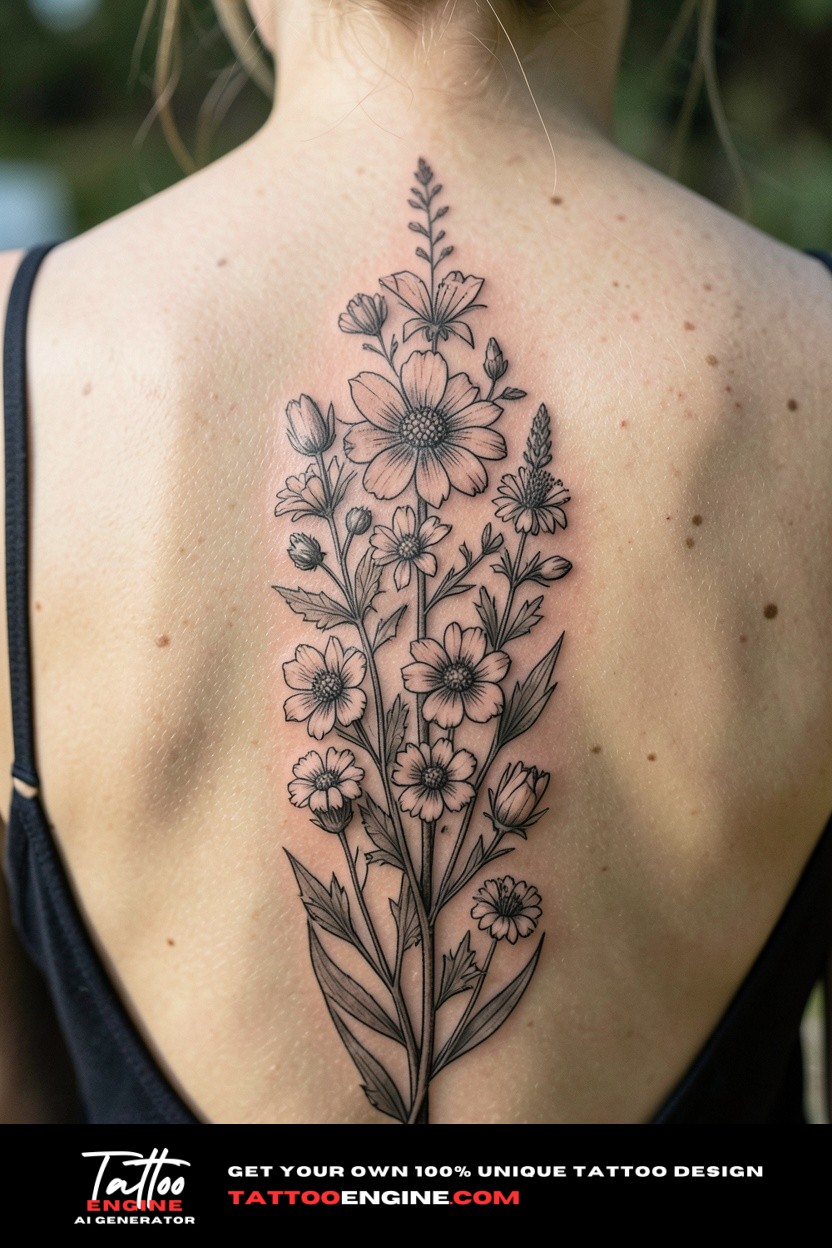
4. How the body suits the design. Some designs want a flat canvas; others are made to wrap or follow a limb. A long vertical design suits a forearm or spine; a circular one suits a shoulder or calf. A good artist will advise on which placements flatter a given design and flow with your body’s lines — this is worth asking about directly.
Size: detail needs room
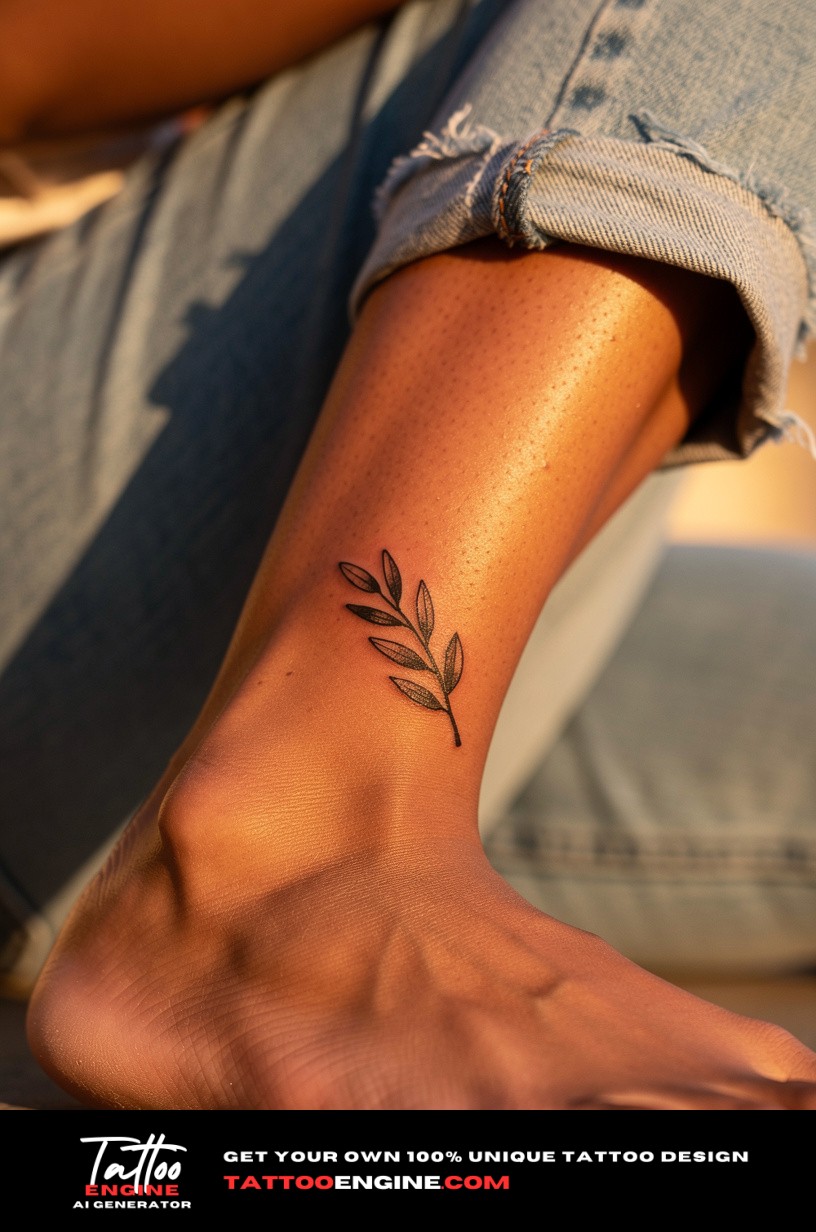
The most common size mistake is wanting a detailed design small. It’s a physics problem, not a preference: fine detail crammed into a little space has no room to age. As ink spreads slightly over the years, closely-packed lines merge and the design turns muddy. This is the single biggest reason artists push back on “can you make it smaller?”
So the rule is: match the size to the detail, not the other way round. If you love an intricate design, give it the space it needs to stay legible for decades. If you want it small, simplify it — fewer elements, bolder lines, more breathing room. A clean small tattoo ages beautifully; a detailed one shrunk down does not. Our guide on briefing your idea covers working this out with your artist.
| If you want… | Then… |
|---|---|
| A small, discreet tattoo | Keep the design simple and bold — few elements, clean lines, space between them. |
| Fine detail or many elements | Size it up so the detail has room to hold as it ages. |
| Lettering or script | Don’t go too small; thin text at a tiny size blurs first. Keep words short. |
| Something that lasts decades untouched | Bold, simple, well-spaced, on a low-friction covered area. |
Simple tests before you commit
- The lock-screen test. Set the design as your phone wallpaper for a week or two. Seeing it every day tells you fast whether you’ll happily wear it for life or tire of it.
- The stencil test. Ask your artist to place the stencil (or use a temporary transfer) on the actual spot and look at it in a mirror, from different angles, moving normally. Placement that looked right in your head can look off on the body, and this catches it before it’s permanent.
- The visibility check. Look at the spot in the clothes you wear for work and important occasions. Decide whether you’re happy with when it shows.
- Sleep on the size. If your artist suggests going bigger, they’re usually protecting the design’s future. Take the advice seriously rather than defaulting to smaller.
Trust the artist’s read
An experienced artist has seen thousands of tattoos placed and aged, and their guidance on where a design flows best and how big it needs to be is one of the most valuable things they offer. If they suggest moving it, angling it, or sizing it up, there’s almost always a reason grounded in how the tattoo will sit and last. Come with a preference, stay open to their expertise, and you’ll land on a placement and size you’re still happy with in twenty years.
How do I decide where to put a tattoo?
Weigh four things: how visible you want it given your work and social life, how much the spot hurts, how well it will age (low-friction, easily-covered areas last longest), and how the design suits your body’s shape. There’s no universally right answer — it’s about your circumstances and priorities. Trying the stencil on the actual spot and viewing it in a mirror before committing is the best way to confirm a placement that looked right in your imagination.
Why can’t a detailed tattoo be small?
Because fine detail crammed into a small space has no room to age. Ink spreads very slightly in the skin over the years, and when lines are packed tightly together that spread merges them into a muddy blob. The same detailed design at a larger size, with space between the lines, stays legible for decades. This is why artists often resist “can you make it smaller?” — they’re protecting the tattoo’s future, not being difficult.
What size should my first tattoo be?
Match the size to the design’s detail rather than picking a size first. If you want something small and discreet, keep the design simple and bold so it ages well; if you love intricate detail, give it enough room to hold. For a first tattoo, many people choose a modest, clean design on a forgiving, low-pain area, which is a good way to learn how you handle the process without committing to something large.
Does tattoo placement affect how much it hurts?
Yes — placement is the single biggest factor in tattoo pain. Bony, thin-skinned, nerve-dense areas like the ribs, sternum, ankles, elbows, and feet hurt most, because the vibration travels into bone with little padding. Fleshier, well-padded areas like the outer thigh, forearm, upper arm, and calf are the most forgiving. If you’re anxious about pain, choosing an easier placement, especially for a first tattoo, makes a real difference.
Should I follow my artist’s advice on placement and size?
Generally, yes. An experienced artist has watched thousands of tattoos placed and age, so their guidance on where a design flows best and how large it needs to be is grounded in real outcomes. If they suggest angling it, moving it, or sizing it up, it’s usually to make it fit your body better and last longer. Come with your own preference, but take their expertise seriously — it’s a big part of what you’re paying for.
Frequently asked questions
How do I decide where to put a tattoo?
+
Weigh four things: how visible you want it given your work and social life, how much the spot hurts, how well it will age (low-friction, easily-covered areas last longest), and how the design suits your body’s shape. There’s no universally right answer — it’s about your circumstances and priorities. Trying the stencil on the actual spot and viewing it in a mirror before committing is the best way to confirm a placement that looked right in your imagination.
Why can’t a detailed tattoo be small?
+
Because fine detail crammed into a small space has no room to age. Ink spreads very slightly in the skin over the years, and when lines are packed tightly together that spread merges them into a muddy blob. The same detailed design at a larger size, with space between the lines, stays legible for decades. This is why artists often resist “can you make it smaller?” — they’re protecting the tattoo’s future, not being difficult.
What size should my first tattoo be?
+
Match the size to the design’s detail rather than picking a size first. If you want something small and discreet, keep the design simple and bold so it ages well; if you love intricate detail, give it enough room to hold. For a first tattoo, many people choose a modest, clean design on a forgiving, low-pain area, which is a good way to learn how you handle the process without committing to something large.
Does tattoo placement affect how much it hurts?
+
Yes — placement is the single biggest factor in tattoo pain. Bony, thin-skinned, nerve-dense areas like the ribs, sternum, ankles, elbows, and feet hurt most, because the vibration travels into bone with little padding. Fleshier, well-padded areas like the outer thigh, forearm, upper arm, and calf are the most forgiving. If you’re anxious about pain, choosing an easier placement, especially for a first tattoo, makes a real difference.
Should I follow my artist’s advice on placement and size?
+
Generally, yes. An experienced artist has watched thousands of tattoos placed and age, so their guidance on where a design flows best and how large it needs to be is grounded in real outcomes. If they suggest angling it, moving it, or sizing it up, it’s usually to make it fit your body better and last longer. Come with your own preference, but take their expertise seriously — it’s a big part of what you’re paying for.
Related designs
Free galleries from the same corner of the site.
Keep reading

Tattoo Tipping: How Much, When, and What If You Can’t Afford It
Tipping your tattoo artist 15–25% is the norm for good work, and it matters more than most people realise. Here is how much to tip, when and how to do it, whether you tip on a deposit, and what to do when money is tight.

How to Prepare for a Tattoo Appointment: The Day Before and the Morning Of
Good preparation makes a tattoo easier to sit through and heal. Here is a practical checklist for the day before and the morning of — what to eat, wear, and bring, what to avoid, and the truth about numbing cream.

How to Choose a Tattoo Artist: Portfolios, Red Flags, and What to Ask
The artist matters more than the design. Here is how to read a portfolio like a professional, the red flags that actually matter, and the questions to ask at a consultation — so you pick someone whose work will still look good in ten years.
