Patchy or Faded After Healing: Do You Need a Touch-Up?
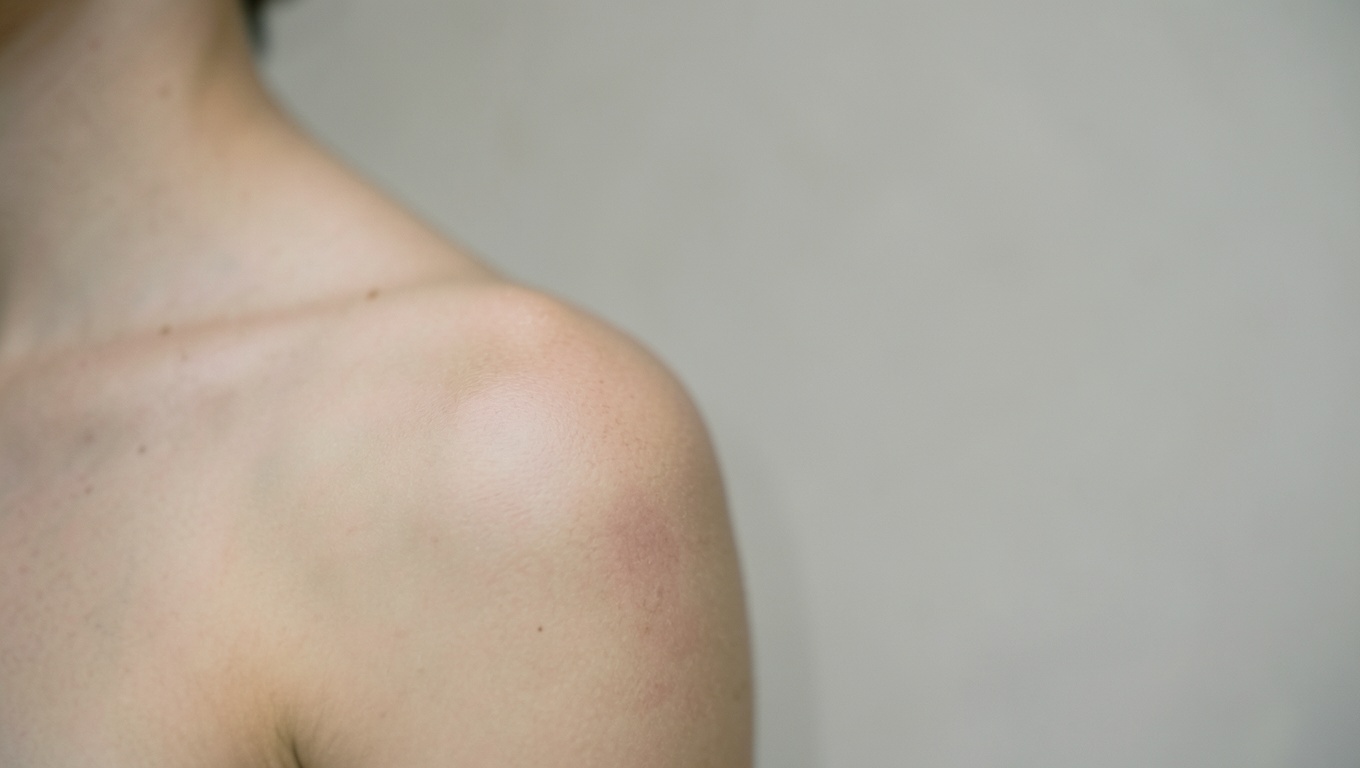
Quick answer: Don’t judge a “patchy” tattoo too early. From weeks two to four a healing tattoo looks dull, cloudy, and uneven while new skin sits over it — this almost always clears on its own by around six weeks. Only after that can you tell if a spot genuinely lost ink. Most artists offer one free touch-up within a set window if you followed aftercare; picking, sun, or soaking usually voids it. Wait six weeks, then ask.
One of the most common panics after the first couple of weeks is a tattoo that looks patchy, faded, or unevenly saturated — and the most common mistake is acting on it too soon. Most of the time, what you’re seeing isn’t a badly healed tattoo; it’s a tattoo that hasn’t finished healing. Here’s how to tell the difference and what to do about a genuine need.
The cloudy phase that fools everyone
From roughly week two to week four, a healing tattoo goes through a stage where it looks distinctly worse than it will end up. A thin, shiny, slightly milky layer of new skin sits over the ink, muting the colours and making the whole thing look dull, cloudy, and patchy. Areas can look like they’ve lost pigment when they haven’t — the new skin is just obscuring them.
This clears on its own as the outer skin finishes settling, usually by around the six-week mark, and the tattoo brightens and sharpens back up. Judging your tattoo’s saturation during this window is like judging a wet painting — it’s not done yet. This single misunderstanding is behind most premature “I need a touch-up” worries.
When it’s a genuine touch-up need
Wait until at least six weeks, when the surface has fully healed and the cloudiness has cleared. Then, if you still see:
- Genuinely blank patches where ink clearly didn’t take,
- Lines that have gaps or dropped out,
- Noticeably uneven saturation that isn’t just the design,
…that’s a real touch-up situation. Some ink loss during healing is normal, especially on certain areas, and it’s a routine, expected part of tattooing — not a sign of a bad artist or a failure on your part. Certain placements are simply prone to it.
Why some spots heal patchy — and it’s nobody’s fault
A few areas lose ink more often no matter how good the artist: hands, fingers, feet, elbows, and knees, where thin skin and constant friction work against retention. Heavily-worked areas and solid blocks of colour can also heal slightly unevenly. When patchiness shows up in one of these known trouble spots, it’s usually just the nature of the placement rather than anything done wrong — which is exactly why the free touch-up exists.
Free touch-ups: what’s usually covered
Most reputable studios offer one free touch-up to settle a tattoo, but the terms matter:
| Usually covered (free) | Usually not covered (you pay) |
|---|---|
| Normal ink loss or patchiness from healing, within the artist’s window (often 30–90 days, sometimes up to 6–12 months) | Touch-ups after the free window has closed |
| Areas known to drop ink, when you followed aftercare | Damage from picking, scratching, or peeling the tattoo |
| Minor settling on the artist’s own work | Fading caused by sun exposure or soaking during healing |
| Refreshing an old tattoo years later (that’s a paid touch-up) |
The through-line: free touch-ups cover normal healing outcomes when you did your part. Following the aftercare — no picking, no sun, no swimming — is what keeps you eligible, which is another reason our aftercare routine is worth sticking to. Always ask about the specific touch-up policy before you get tattooed, so you know your window.
How to ask for one
It’s a completely normal request — artists expect it and want their work looking right. Wait the full healing time, then message the studio, briefly describe what you’re seeing (a photo in good, even light helps), and reference their touch-up policy. Be matter-of-fact rather than apologetic or accusatory: “the healing’s settled and there’s a patch on the [area] that looks like it dropped some ink — could we book a touch-up?” A good artist will happily sort it. If the patchiness is in a known trouble spot, mention that too; they’ll understand immediately.
The core rule: a tattoo isn’t finished healing until around six weeks, so don’t judge patchiness before then — the cloudy phase resolves on its own far more often than not. If a real gap remains after six weeks, that’s what the free touch-up is for. Ask calmly, bring a clear photo, and follow the aftercare that keeps you covered.
What a touch-up appointment is actually like
People often imagine a touch-up as a repeat of the original session, and it usually isn’t. Most are short — often well under an hour, sometimes just a few minutes for a small area — because the artist is re-working specific spots rather than tattooing the whole design again. The stencil work is minimal, and they’re following lines that already exist.
Pain-wise, it’s typically easier than the original, partly because it’s brief and partly because you know what to expect. The exception is if the patchy area is somewhere sensitive, where a short touch-up on an already-worked spot can feel sharp. Afterwards, treat it exactly like a new tattoo: the same aftercare routine, the same healing timeline for that section, and the same restrictions on swimming and sun. That last point catches people out — a touch-up is a fresh wound, however small, so don’t book one the week before a beach holiday.
Why does my new tattoo look faded and patchy after two weeks?
Because it’s going through the normal cloudy phase. From about week two to week four, a thin layer of new skin sits over the healing tattoo, muting the colours and making it look dull and uneven — even in areas that are perfectly fine underneath. This almost always clears by around six weeks as the outer skin finishes settling, and the tattoo brightens back up. Judging saturation during this window is misleading, so wait before worrying.
How long should I wait before getting a touch-up?
Wait at least six weeks, until the surface has fully healed and the cloudy phase has cleared. Only then can you tell whether a spot genuinely lost ink or was just obscured by settling skin. Touching up too early risks reworking skin that would have looked fine on its own, and most artists won’t touch up a tattoo until it’s fully healed anyway. Six weeks is the reliable point to assess it honestly.
Are tattoo touch-ups free?
Most reputable studios offer one free touch-up to settle a new tattoo, usually within a set window — often 30 to 90 days, sometimes longer — provided you followed the aftercare. Normal ink loss from healing, especially in areas prone to it, is typically covered. What usually isn’t: damage from picking or scratching, fading from sun or soaking during healing, and touch-ups after the window closes or years later. Always ask about the specific policy before getting tattooed.
Why did part of my tattoo heal patchy?
Some ink loss during healing is normal, and certain areas are simply prone to it — hands, fingers, feet, elbows, and knees have thin skin and constant friction that work against ink retention, and solid blocks of colour can settle unevenly. When patchiness appears in one of these spots, it’s usually the nature of the placement rather than anything the artist did wrong, which is precisely why the free touch-up exists to even it out.
How do I ask my artist for a touch-up?
Wait until the tattoo is fully healed, then message the studio matter-of-factly, describe what you’re seeing, and include a photo taken in good even light. Reference their touch-up policy and window. Something like “the healing’s settled and there’s a patch that looks like it dropped some ink — could we book a touch-up?” is perfect. It’s a routine, expected request, so there’s no need to be apologetic or to frame it as a complaint; a good artist will happily put it right.
Frequently asked questions
Why does my new tattoo look faded and patchy after two weeks?
+
Because it’s going through the normal cloudy phase. From about week two to week four, a thin layer of new skin sits over the healing tattoo, muting the colours and making it look dull and uneven — even in areas that are perfectly fine underneath. This almost always clears by around six weeks as the outer skin finishes settling, and the tattoo brightens back up. Judging saturation during this window is misleading, so wait before worrying.
How long should I wait before getting a touch-up?
+
Wait at least six weeks, until the surface has fully healed and the cloudy phase has cleared. Only then can you tell whether a spot genuinely lost ink or was just obscured by settling skin. Touching up too early risks reworking skin that would have looked fine on its own, and most artists won’t touch up a tattoo until it’s fully healed anyway. Six weeks is the reliable point to assess it honestly.
Are tattoo touch-ups free?
+
Most reputable studios offer one free touch-up to settle a new tattoo, usually within a set window — often 30 to 90 days, sometimes longer — provided you followed the aftercare. Normal ink loss from healing, especially in areas prone to it, is typically covered. What usually isn’t: damage from picking or scratching, fading from sun or soaking during healing, and touch-ups after the window closes or years later. Always ask about the specific policy before getting tattooed.
Why did part of my tattoo heal patchy?
+
Some ink loss during healing is normal, and certain areas are simply prone to it — hands, fingers, feet, elbows, and knees have thin skin and constant friction that work against ink retention, and solid blocks of colour can settle unevenly. When patchiness appears in one of these spots, it’s usually the nature of the placement rather than anything the artist did wrong, which is precisely why the free touch-up exists to even it out.
How do I ask my artist for a touch-up?
+
Wait until the tattoo is fully healed, then message the studio matter-of-factly, describe what you’re seeing, and include a photo taken in good even light. Reference their touch-up policy and window. Something like “the healing’s settled and there’s a patch that looks like it dropped some ink — could we book a touch-up?” is perfect. It’s a routine, expected request, so there’s no need to be apologetic or to frame it as a complaint; a good artist will happily put it right.
Keep reading
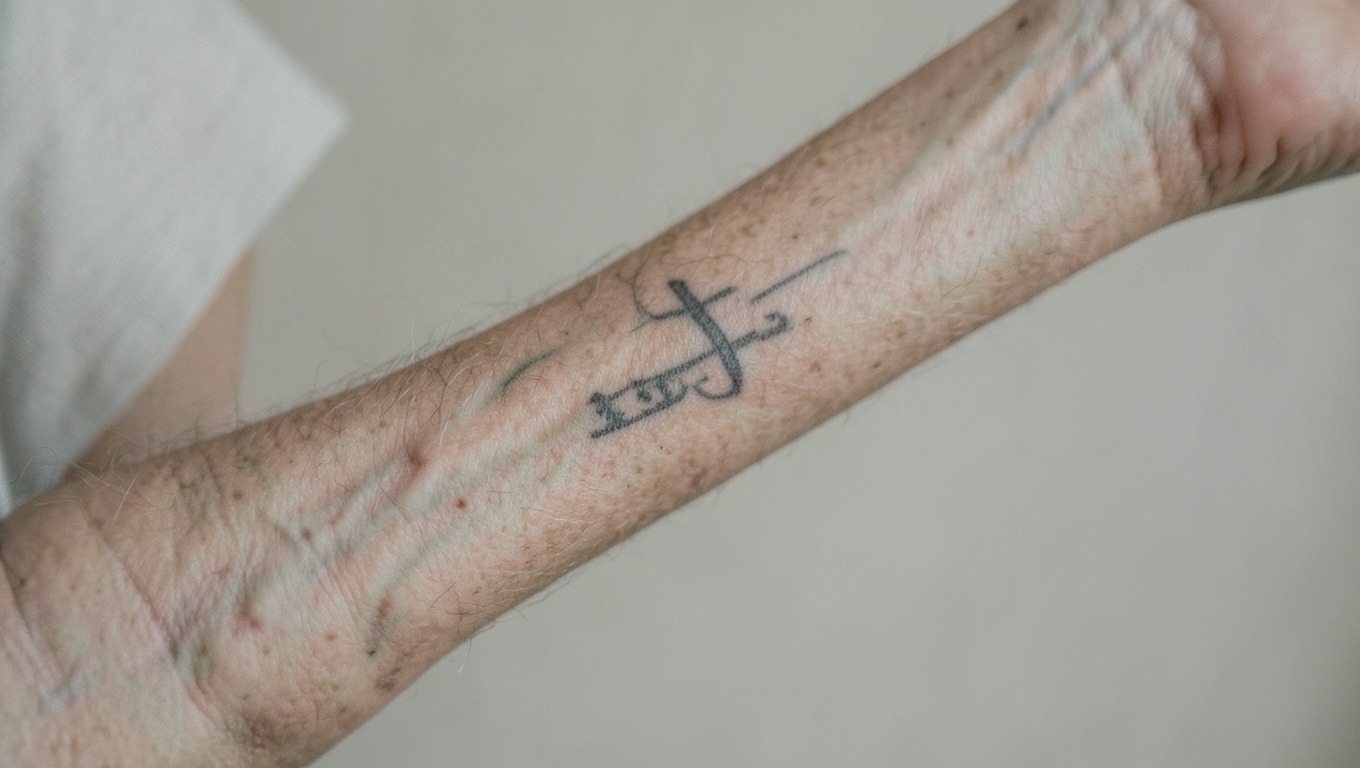
How Tattoos Age: Your Ink at 5, 10, and 20 Years
A tattoo is a lifetime object, so it helps to know how it will actually change. Here is what happens to ink at 5, 10, and 20 years, which styles and placements hold up, and how to design for the version of your tattoo you will wear the longest.
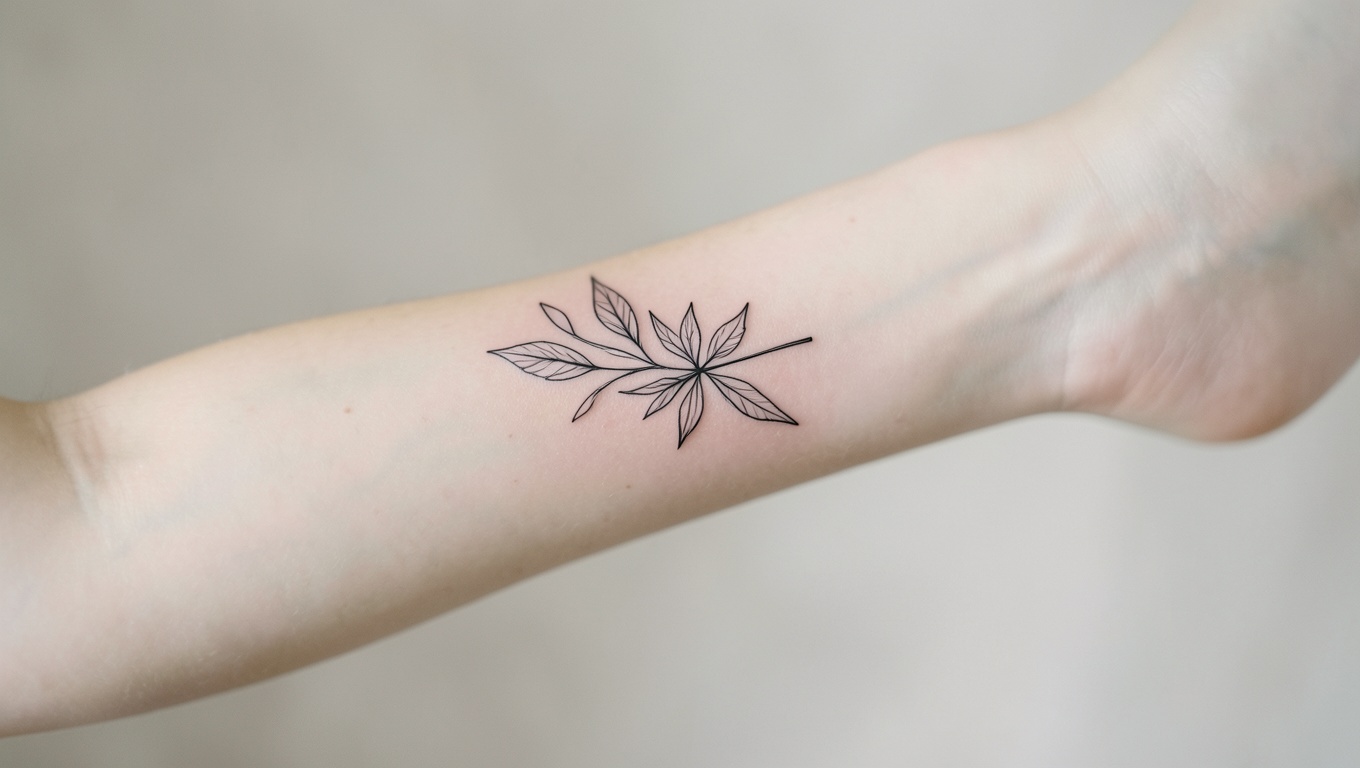
Fine Line Tattoos: Will They Blur? A Straight Answer Before You Commit
Fine line tattoos are beautiful and hugely popular, but they do fade and soften faster than bold work. Here is an honest look at what blurs and why, the fine-line pieces that actually hold up, and how to get one that lasts.
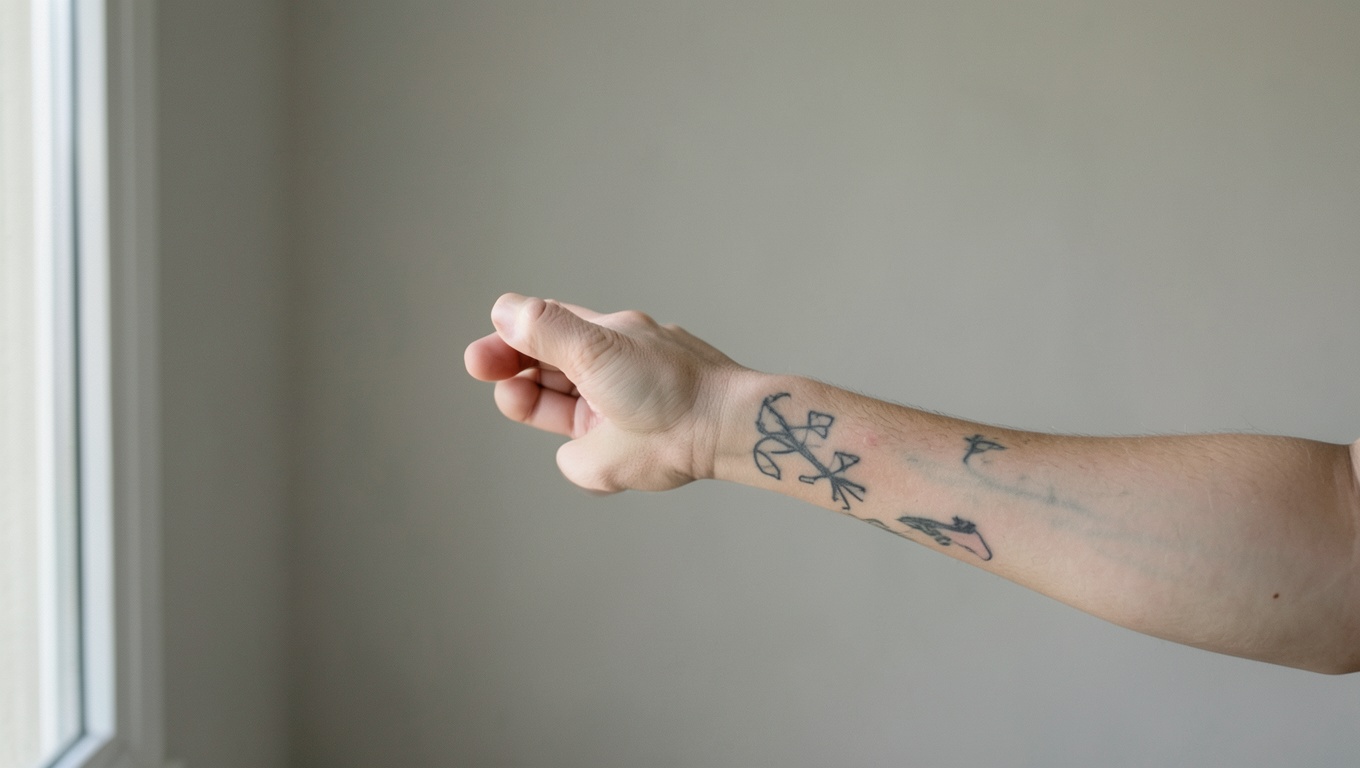
Why Tattoos Fade — and the Five Things That Actually Slow It
Every tattoo fades a little over time, but how fast is largely in your control. Here are the five real drivers of fading — sun, placement, colour, line weight, and skin — and what genuinely slows each one down.
