How to Describe Your Tattoo Idea So You Get What You Pictured

Quick answer: Don’t lead with the exact image — lead with the feeling and meaning, then add subject, style, placement, size, and anything to avoid. Bring a few reference images for direction, not a single one you want copied. You don’t need a finished design; a clear starting point is what a good artist actually wants, and they’ll turn it into something that fits your body and ages well.
Almost every “the tattoo isn’t what I imagined” story traces back to the same thing: the idea was clear in the client’s head and fuzzy in the brief. Artists are skilled at interpretation, but they can’t read your mind — they work from what you tell and show them. The good news is that briefing an artist well is a learnable skill, and it starts somewhere most people don’t expect.
Start with the feeling, not the picture
The instinct is to describe the image: “a rose on my forearm.” But a rose can be soft and romantic, sharp and gothic, bold and traditional, delicate and minimal, or a faded memorial piece — and “a rose” tells the artist none of that. The single most useful thing you can lead with is the feeling you want the tattoo to carry.
Try: “I want it to feel delicate and a bit melancholy, like a memory,” or “bold and confident, something that reads from across a room.” That gives the artist the emotional target, and every visual decision — line weight, shading, spacing, colour — flows from it. Describe the mood first and the subject second, and you’ve done more than a page of visual notes could.
Then build out the details
Once the feeling is clear, fill in the practical layers. A useful brief covers:
- Subject — what’s actually depicted (the rose, the mountain, the word).
- Style — fine line, traditional, blackwork, realism, illustrative, and so on. If you don’t know the names, our styles guide gives you the vocabulary; or just show examples.
- Placement — where on your body, and roughly which way it should flow.
- Size — approximate, and honest about how much detail you want in that space.
- Must-haves and must-avoids — the one element that has to be there, and anything you definitely don’t want (no colour, no script, no realism).
You don’t have to have all of this locked down — that’s what the consultation is for — but the more of it you’ve thought about, the closer the first draft lands.
References: which help, which hurt
References are the most powerful tool you have, and the easiest to misuse.
Helpful: a small handful of images that each capture part of what you want — one for the style, one for the mood, one for a specific element. Photos of the actual subject (a real flower, a specific animal) help the artist get anatomy and detail right. Notes explaining why you picked each reference — “I love the line weight here,” “this is the feeling but not the subject” — turn a pile of pictures into a clear direction.
Unhelpful: a single existing tattoo you want copied exactly. Good artists won’t directly replicate another artist’s work, and a tattoo designed for someone else’s body and size rarely fits yours. Bringing twenty references with no explanation is nearly as unhelpful as bringing none — the artist can’t tell what you’re responding to. And a Pinterest board of a hundred pins says “I haven’t decided,” not “here’s my vision.”
The reference sweet spot: three to five images, each with a one-line note on what you like about it, plus a sentence on the feeling. That’s a brief an artist can actually build from.
You don’t need a finished design
A lot of people delay booking because they think they need to arrive with a polished, tattoo-ready drawing. You don’t — and you shouldn’t try to. Designing a tattoo that sits well on a curved body, holds up as it ages, and plays to the artist’s strengths is exactly what the artist is for. Turning up with a rigid final design can actually box in someone who could have made it better. What helps is a clear starting point: the idea, the feeling, the style direction, the placement, the rough size, and your limits. Hand them that and get out of the way of their expertise.
At the consultation: stay open, speak up
Two things make the consultation work. First, be open to the artist’s input — if they suggest making it bigger, moving it, or simplifying it, there’s usually a good reason rooted in how tattoos age and fit the body. Second, and just as important, speak up if something’s off. If the draft isn’t what you meant, say so clearly and kindly — refining the design is part of the artist’s job, and they’d far rather adjust it now than tattoo something you’re not sure about. The people who end up disappointed are often the ones who stayed quiet to be polite. A good artist wants the honest reaction.
What’s the best way to explain a tattoo idea to an artist?
Lead with the feeling and meaning you want the tattoo to carry, then add the subject, style, placement, size, and anything to avoid. “I want something delicate and a little melancholy — a small rose on my inner forearm, fine line, no colour” tells an artist far more than “a rose.” The emotional direction shapes every visual choice they make, so it’s the most valuable thing you can communicate first.
How many reference images should I bring?
Three to five is the sweet spot — enough to show direction without overwhelming. Each should capture part of what you want (one for style, one for mood, one for a specific element), ideally with a quick note on what you like about it. A single tattoo you want copied exactly is unhelpful, because good artists won’t replicate another’s work and it won’t fit your body; a hundred unexplained pins is just as unhelpful, because the artist can’t tell what you’re responding to.
Do I need to have the design finished before I see a tattoo artist?
No — and it’s better if you don’t. Designing something that fits a curved body, ages well, and suits the artist’s style is exactly what they do, and arriving with a rigid final drawing can limit someone who’d have improved it. Bring a clear starting point instead: the idea, the feeling, the style, the placement, the rough size, and your limits.
What if I don’t like the design the artist draws?
Say so, clearly and kindly — it’s a normal part of the process, and refining the design until you’re happy is the artist’s job. They would much rather adjust it now than tattoo something you’re unsure about. Be specific about what’s off (“it’s bigger than I pictured,” “the linework feels too heavy”) so they can actually fix it. Staying quiet to be polite is how people end up with tattoos they don’t love.
Can I describe a tattoo idea if I’m not artistic and can’t draw?
Absolutely — you don’t need to draw anything. Describe the feeling, gather a few reference images that capture pieces of what you want, and explain in plain words what each one means to you. Words and references communicate an idea perfectly well, and the artist supplies the drawing. Being able to sketch is not a requirement for getting a tattoo you love.
Frequently asked questions
What’s the best way to explain a tattoo idea to an artist?
+
Lead with the feeling and meaning you want the tattoo to carry, then add the subject, style, placement, size, and anything to avoid. “I want something delicate and a little melancholy — a small rose on my inner forearm, fine line, no colour” tells an artist far more than “a rose.” The emotional direction shapes every visual choice they make, so it’s the most valuable thing you can communicate first.
How many reference images should I bring?
+
Three to five is the sweet spot — enough to show direction without overwhelming. Each should capture part of what you want (one for style, one for mood, one for a specific element), ideally with a quick note on what you like about it. A single tattoo you want copied exactly is unhelpful, because good artists won’t replicate another’s work and it won’t fit your body; a hundred unexplained pins is just as unhelpful, because the artist can’t tell what you’re responding to.
Do I need to have the design finished before I see a tattoo artist?
+
No — and it’s better if you don’t. Designing something that fits a curved body, ages well, and suits the artist’s style is exactly what they do, and arriving with a rigid final drawing can limit someone who’d have improved it. Bring a clear starting point instead: the idea, the feeling, the style, the placement, the rough size, and your limits.
What if I don’t like the design the artist draws?
+
Say so, clearly and kindly — it’s a normal part of the process, and refining the design until you’re happy is the artist’s job. They would much rather adjust it now than tattoo something you’re unsure about. Be specific about what’s off (“it’s bigger than I pictured,” “the linework feels too heavy”) so they can actually fix it. Staying quiet to be polite is how people end up with tattoos they don’t love.
Can I describe a tattoo idea if I’m not artistic and can’t draw?
+
Absolutely — you don’t need to draw anything. Describe the feeling, gather a few reference images that capture pieces of what you want, and explain in plain words what each one means to you. Words and references communicate an idea perfectly well, and the artist supplies the drawing. Being able to sketch is not a requirement for getting a tattoo you love.
Related designs
Free galleries from the same corner of the site.
Keep reading

When Can I Swim, Work Out, Shower, and Sunbathe After a Tattoo?
You can shower in 24 hours, but swimming, hard workouts, and sunbathing all need to wait weeks. Here is one clear table of how long to wait for each, and the reason behind every limit so you know which ones actually matter.

How to Choose a Tattoo Artist: Portfolios, Red Flags, and What to Ask
The artist matters more than the design. Here is how to read a portfolio like a professional, the red flags that actually matter, and the questions to ask at a consultation — so you pick someone whose work will still look good in ten years.
Saniderm vs Traditional Wrap: Which Should You Use?
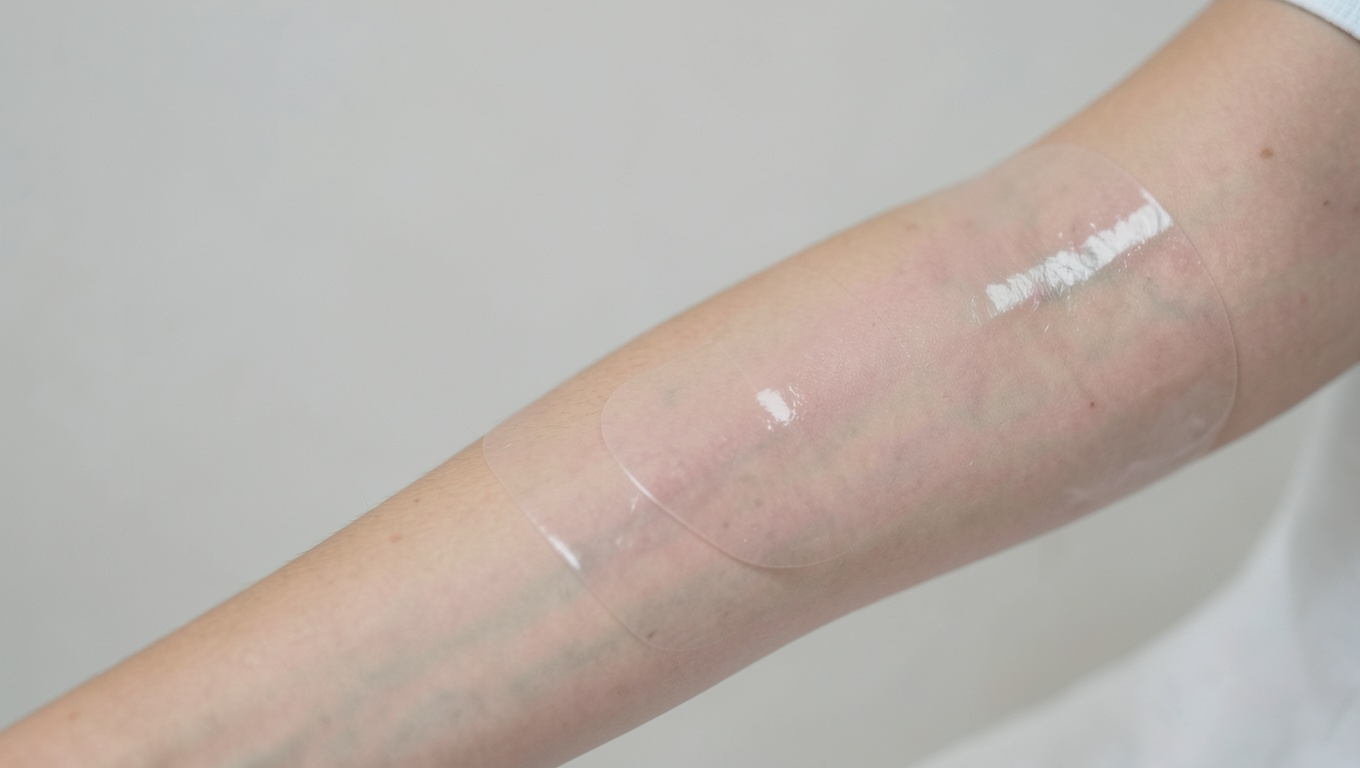
Second-skin films like Saniderm and the traditional wash-and-air method both heal tattoos well. The right choice depends on your placement, your lifestyle, and your skin. Here is how to decide, and how to use each properly.
