Tattoos on Darker Skin: What Works, What Doesn’t, and the Myths to Ignore
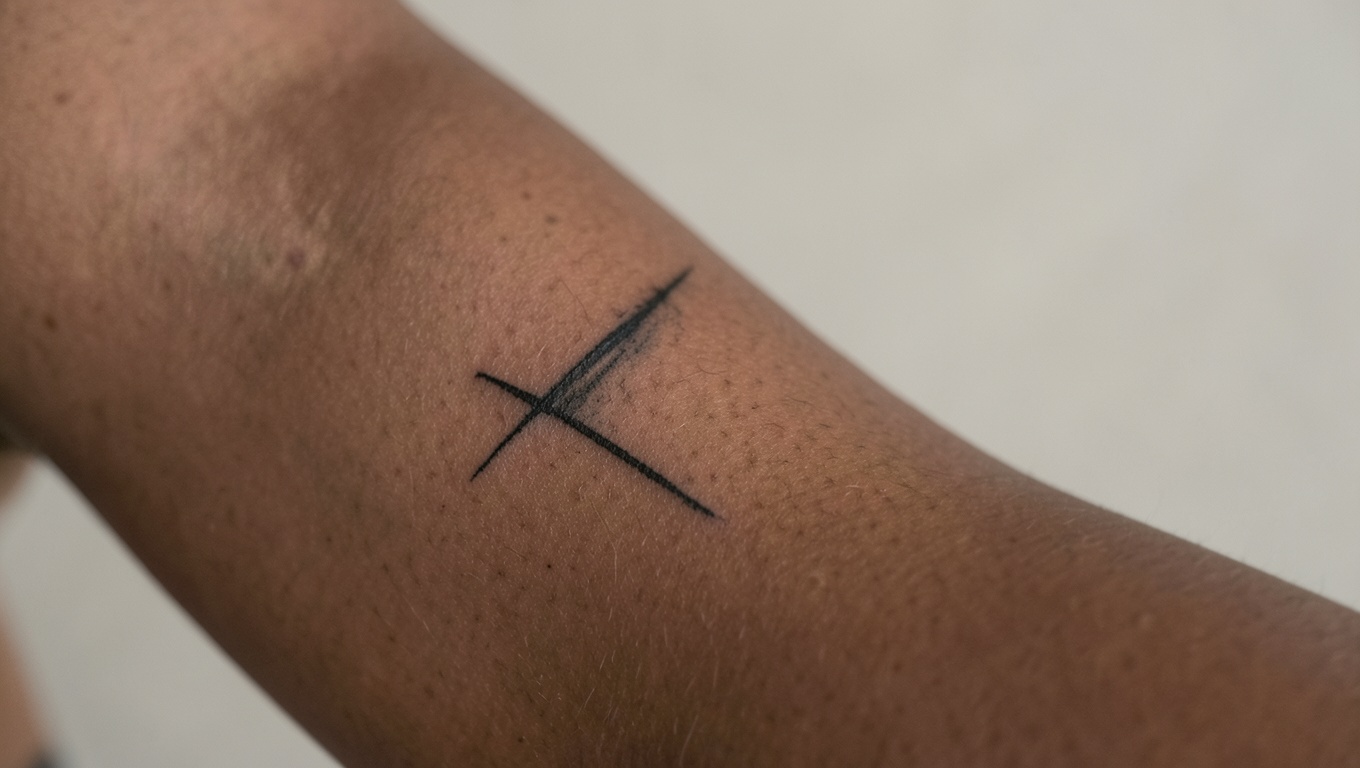
Quick answer: Dark skin takes tattoos beautifully, including colour — the myth that it doesn’t comes from artists using the wrong pigments and technique, not from the skin. Melanin acts like a filter, so bold, highly-pigmented, opaque colours read best: black and dark grey, deep reds and magentas, royal blues, emerald greens. Pale, pastel, and white inks don’t show well. The most important factor is finding an artist with healed work on skin like yours.
If you have deeper skin and have been told colour tattoos “don’t work” on you, you’ve been given outdated information. Dark skin holds ink well and can carry vivid, striking colour — but it requires an artist who understands how pigment behaves against melanin and chooses inks and technique accordingly. Here’s what’s actually true.
How ink behaves on deeper skin
Tattoo ink sits below the top layer of skin, which means you view it through that layer. In deeper skin tones, the melanin in that overlying layer acts like a filter, subtly shifting and muting what’s underneath. Light, low-opacity pigments get filtered out almost entirely — which is why a pale pastel or a white highlight that pops on fair skin can look barely-there on deep skin.
This is a fact about optics, not a limitation on what’s possible. The answer isn’t “no colour”; it’s bolder, denser, more opaque colour, packed properly. Highly-pigmented inks laid down with the right saturation cut through the filter and stay vivid for years. The rule of thumb artists use: the deeper the skin tone, the bolder and more opaque the ink needs to be.
What reads best
| Works excellently | Works with the right ink and technique | Generally doesn’t show |
|---|---|---|
| Black and dark grey — the strongest contrast and the most reliable, which is why blackwork and bold black designs look stunning on deep skin | Deep reds and magentas (better than orange-leaning reds), royal and deep blues, emerald and blue-greens — all in high-opacity formulations | Pastels, pale tones, white ink, and very light yellows — these get filtered out by melanin |
A useful principle: choose colours with depth rather than brightness. A deep crimson or dark cherry red has far more contrast against dark skin than a light fire-engine red; a rich emerald reads better than a pale mint. Bold, saturated jewel tones are the sweet spot.
Styles that shine
Blackwork, bold traditional, heavy linework, and strong graphic designs are exceptional on deeper skin — high contrast, clean shapes, no reliance on subtle light tones. Fine line works too, though it benefits from being a little bolder than it might be on fair skin so it doesn’t get lost. Styles that lean heavily on pale washes, delicate white highlights, or very subtle tonal gradients are the ones that struggle, because those effects depend on light pigments that melanin filters out.
The myths, plainly
- “Colour doesn’t work on dark skin.” False. It works when the artist uses high-opacity pigments and packs them correctly. When it fails, that’s a technique-and-ink problem, not a skin problem.
- “Dark skin doesn’t hold ink well.” False — it holds ink as well as any skin. This myth often stems from artists inexperienced with deeper tones producing poor results and blaming the canvas.
- “You can only get black tattoos.” False, though black is genuinely excellent and delivers the strongest contrast. It’s a great choice, not the only one.
- “Tattoos on dark skin are more likely to scar or keloid.” Keloid scarring is more common in some individuals and can run in families, but it’s about individual predisposition rather than skin tone alone. If you or your family scar this way, mention it to your artist and consider a small test — sensible advice for anyone with that history.
The thing that matters most: the artist
More than any colour choice, the deciding factor is finding someone with genuine experience on skin like yours. Ask specifically to see healed photos of their work on deep skin tones — not fresh shots, and not exclusively fair-skinned clients. An artist with a strong body of healed work across a range of skin tones knows which pigments hold, how deep to lay them, and how to build contrast that lasts.
This is a fair, normal thing to ask, and a good artist will answer readily and show you examples. An artist who hasn’t worked much on deeper skin but is honest about it is more trustworthy than one who’s dismissive of the question. Our guide on choosing an artist covers how to read a portfolio properly — and for deeper skin, that healed-work test is doubly important.
The takeaway: deep skin is a great canvas. Go bold and opaque rather than pale and subtle, lean into black and jewel tones, and above all choose an artist with healed work on skin like yours. Do that and the result is as vivid and long-lasting as on any other skin.
Do colour tattoos work on dark skin?
Yes — the belief that they don’t comes from artists using the wrong inks and technique, not from the skin itself. Melanin filters what you see through the top layer, so light and low-opacity pigments disappear, but bold, highly-pigmented colours packed properly stay vivid for years. Deep reds and magentas, royal blues, and emerald greens all read strongly. The key is high-opacity ink and an artist experienced with deeper tones.
What tattoo colours show up best on dark skin?
Black and dark grey give the strongest contrast and are the most reliable, which is why blackwork looks superb on deep skin. Beyond that, choose colours with depth rather than brightness: deep crimson and magenta over orange-leaning reds, royal and deep blues, emerald and blue-greens. Pastels, pale tones, white ink, and light yellows generally don’t show, because melanin filters those low-opacity pigments out almost entirely.
Is it harder to tattoo darker skin?
It isn’t harder so much as different — it requires knowing which pigments cut through and how to build contrast without relying on light tones. Dark skin holds ink just as well as any other skin. When results are poor, it’s usually because the artist lacked experience with deeper tones and used inks or techniques suited to fair skin. An artist who works regularly across skin tones handles it as routinely as anything else.
How do I find a tattoo artist experienced with dark skin?
Ask directly to see healed photos of their work on deep skin tones — healed, not fresh, and specifically on skin like yours rather than only fair-skinned clients. It’s a completely normal question and a good artist will happily show examples. Look for consistent contrast and saturation in that healed work. An artist honest about having limited experience is more trustworthy than one who brushes the question off.
Are fine line tattoos a good idea on darker skin?
They can work well, though they usually benefit from being a little bolder than the equivalent design on fair skin so the lines don’t get lost against the surrounding tone. The general principle for deeper skin — favour boldness and contrast over subtlety — applies here too. An artist experienced with dark skin will adjust the line weight appropriately, which is another reason their healed portfolio on similar tones is the thing to check.
Frequently asked questions
Do colour tattoos work on dark skin?
+
Yes — the belief that they don’t comes from artists using the wrong inks and technique, not from the skin itself. Melanin filters what you see through the top layer, so light and low-opacity pigments disappear, but bold, highly-pigmented colours packed properly stay vivid for years. Deep reds and magentas, royal blues, and emerald greens all read strongly. The key is high-opacity ink and an artist experienced with deeper tones.
What tattoo colours show up best on dark skin?
+
Black and dark grey give the strongest contrast and are the most reliable, which is why blackwork looks superb on deep skin. Beyond that, choose colours with depth rather than brightness: deep crimson and magenta over orange-leaning reds, royal and deep blues, emerald and blue-greens. Pastels, pale tones, white ink, and light yellows generally don’t show, because melanin filters those low-opacity pigments out almost entirely.
Is it harder to tattoo darker skin?
+
It isn’t harder so much as different — it requires knowing which pigments cut through and how to build contrast without relying on light tones. Dark skin holds ink just as well as any other skin. When results are poor, it’s usually because the artist lacked experience with deeper tones and used inks or techniques suited to fair skin. An artist who works regularly across skin tones handles it as routinely as anything else.
How do I find a tattoo artist experienced with dark skin?
+
Ask directly to see healed photos of their work on deep skin tones — healed, not fresh, and specifically on skin like yours rather than only fair-skinned clients. It’s a completely normal question and a good artist will happily show examples. Look for consistent contrast and saturation in that healed work. An artist honest about having limited experience is more trustworthy than one who brushes the question off.
Are fine line tattoos a good idea on darker skin?
+
They can work well, though they usually benefit from being a little bolder than the equivalent design on fair skin so the lines don’t get lost against the surrounding tone. The general principle for deeper skin — favour boldness and contrast over subtlety — applies here too. An artist experienced with dark skin will adjust the line weight appropriately, which is another reason their healed portfolio on similar tones is the thing to check.
Keep reading

Bringing an AI-Generated Design to a Tattoo Artist: What to Expect
AI tattoo designs are a great way to explore ideas, but they are a starting point, not a stencil. Here is what tattoo artists actually think, the real reasons an AI image often can’t be tattooed as-is, and how to use one well.

How to Describe Your Tattoo Idea So You Get What You Pictured
The gap between the tattoo in your head and the one on your skin is usually a communication gap. Here is how to brief an artist so you get what you pictured — starting with the feeling, not the picture — plus which references help and which hurt.

Tattoo Regret: How to Make a Decision You Won’t Want to Undo
Most tattoo regret follows a few predictable patterns. Here is what they are, the simple tests that prevent them, and what to do if you already have a tattoo you are unsure about — without the lectures.
