How to Prepare for a Tattoo Appointment: The Day Before and the Morning Of
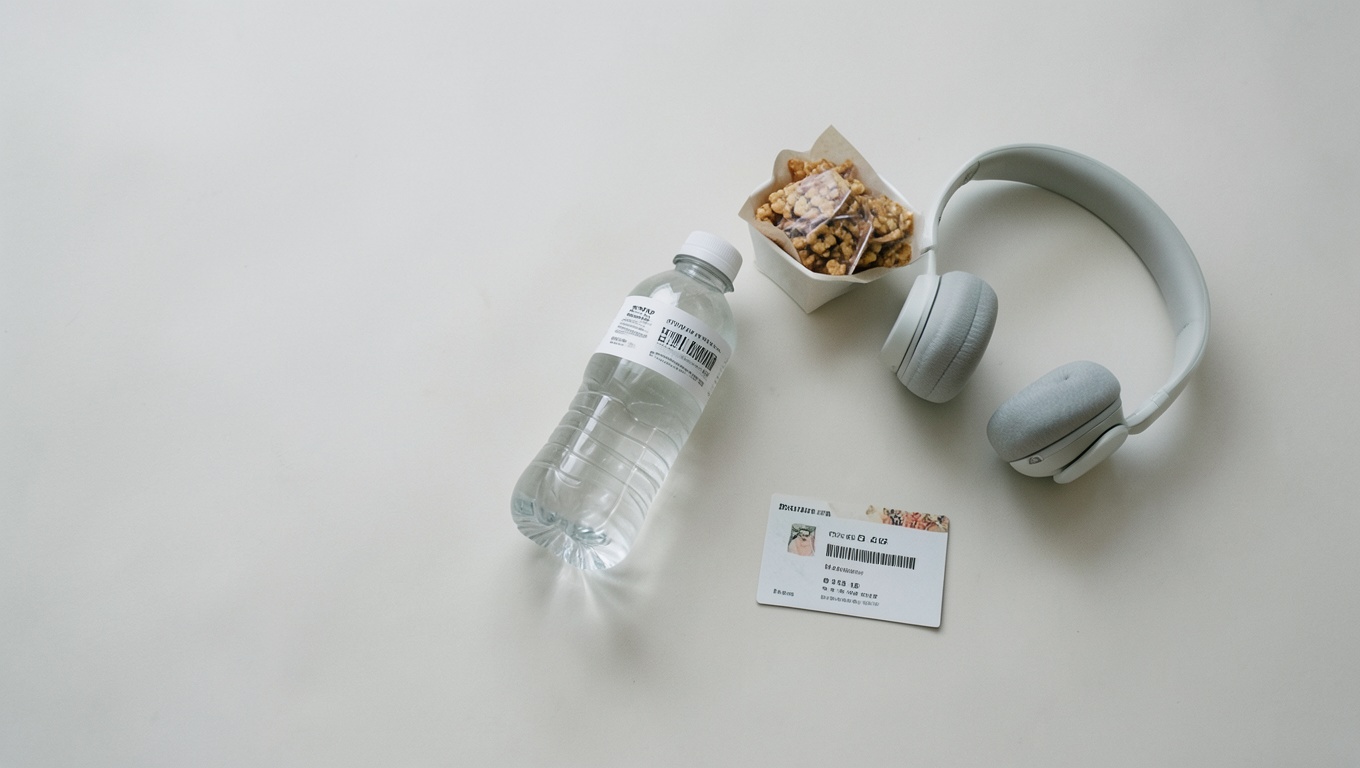
Quick answer: Sleep well, hydrate, and eat a proper meal an hour or two before — a tattoo on an empty stomach is the fast route to feeling faint. Avoid alcohol and blood-thinners (including aspirin) for a day beforehand, since they cause excess bleeding. Wear loose, clean clothes that expose the area, bring ID, water, a snack, and something to occupy you. If you want numbing cream, ask your artist before the day — never surprise them with it.
A tattoo goes far more smoothly when your body is in good shape for it. None of the preparation is complicated, but skipping it is why some people feel shaky, bleed more than they should, or struggle through a long session. Here’s the practical checklist, split into the day before and the morning of, with the reasoning so you know which bits actually matter.
The day before
- Sleep. Turn up rested. A tired body tolerates discomfort worse and heals less well. An early night beats almost any other single preparation.
- Start hydrating. Well-hydrated skin takes ink better and makes the whole process cleaner. Drink plenty of water through the day before, not just on the morning.
- Eat well and avoid alcohol. A normal, balanced dinner the night before is ideal. Skip the drinks — alcohol thins your blood, which means more bleeding, ink that struggles to settle, and a messier, longer session. It can also linger into the next day.
- Skip blood-thinning medication where you safely can. Aspirin and similar over-the-counter blood thinners increase bleeding. Never stop prescribed medication without your doctor’s say-so, but avoid discretionary aspirin the day before. If you’re on prescribed blood thinners, that’s a conversation to have with your artist and doctor beforehand, as some artists won’t tattoo over them.
- Don’t shave it yourself unless asked. Your artist will usually prep and shave the area with a fresh razor. Shaving the night before can leave irritation or tiny nicks. Follow whatever your specific artist prefers.
The morning of
- Eat a real meal, 1–2 hours before. This is the big one. Getting tattooed on an empty stomach drops your blood sugar and is the most common cause of feeling faint, dizzy, or nauseous in the chair. Aim for something balanced with protein and slower carbs — not just coffee.
- Shower. Turn up clean. It’s more comfortable for you and better for hygiene on freshly-worked skin.
- Dress for the placement. Wear loose, clean, comfortable clothes that let the artist reach the area easily and won’t rub the fresh tattoo afterwards. Assume some ink will get on your clothes, so wear something you don’t mind marking. Bring a layer — you can get cold sitting still for hours.
- Keep hydrating. Have water before you go and bring some with you.
What to bring
| Item | Why |
|---|---|
| Photo ID | Studios legally need to verify your age. Non-negotiable. |
| Water and a snack | To keep blood sugar and hydration up, especially for longer sittings. A sugary drink or snack helps if you feel light-headed. |
| Something to occupy you | Headphones, a downloaded playlist or show, a book. A long session is mostly a matter of passing the time comfortably. |
| Payment plus a tip | Cash is often preferred. Budget for a tip of 15–25% on top of the quoted price — see our tipping guide. |
| A layer / comfy clothes | You’ll be still for a while; being cold or fidgety makes it harder. |
Numbing cream: ask first
Numbing cream is the most-asked-about preparation, and the answer is: maybe, but not without checking. It can genuinely take the edge off, especially on sensitive spots. But it has real downsides — it can subtly change the skin’s texture and how it takes ink, and it wears off partway through a longer session, so the relief is temporary and can leave the later part feeling worse by contrast. Crucially, some artists won’t work over it, and turning up having secretly applied it can disrupt the whole session. If you want to use it, raise it with your artist well before the appointment and follow their guidance on which product and how to apply it. Our guide on what tattoo pain actually feels like may reassure you that many people don’t need it at all.
The mindset
Beyond the physical prep, turn up calm and unhurried. Don’t schedule something stressful straight afterwards, especially for a big piece. Trust that you’ve chosen a good artist, breathe through the stingy stretches rather than bracing, and remember the anticipation is usually worse than the reality. Preparation is mostly about removing the avoidable problems — low blood sugar, excess bleeding, being cold and tense — so that all you’re left with is a manageable few hours and a tattoo at the end.
What to expect when you arrive
Knowing the running order removes a surprising amount of first-timer nerves. A typical appointment goes: paperwork and ID check, then reviewing the design and making any final adjustments, then the stencil — a temporary transfer placed on your skin so you can see the position and size before anything permanent happens.
That stencil moment is the most important one for you. Look at it properly in a mirror, from several angles, standing normally. Check the placement, the size, and the angle. This is your last easy chance to say “can we move it up a bit” or “it’s smaller than I imagined” — and artists fully expect that conversation. Adjusting a stencil takes two minutes; adjusting a tattoo doesn’t happen. People who feel rushed at this stage are the ones most likely to be unhappy later, so take your time and speak up.
After that, the artist sets up their station and begins. You’ll usually feel the first few lines as the sharpest part, then settle. At the end they’ll clean and bandage the tattoo and talk you through aftercare — that’s the moment to ask which wrap they’ve used and exactly when to remove it, since it determines everything in the first days.
What should I eat before getting a tattoo?
Have a proper, balanced meal one to two hours before your appointment — something with protein and slower-release carbs, not just coffee or a sugary snack. Getting tattooed on an empty stomach drops your blood sugar and is the single most common reason people feel faint or nauseous in the chair. Bring water and a snack too, especially for a longer sitting, to keep your levels steady throughout.
Should I avoid alcohol before a tattoo?
Yes — avoid alcohol for at least the day before. It thins your blood, which causes more bleeding during the tattoo, makes it harder for the ink to settle, and leads to a messier, longer session and a potentially worse heal. Many artists will refuse to tattoo someone who turns up having been drinking. The same caution applies to discretionary blood-thinners like aspirin, though never stop prescribed medication without your doctor.
What should I wear to a tattoo appointment?
Loose, clean, comfortable clothes that give the artist easy access to the area and won’t rub the fresh tattoo afterwards. Assume some ink will get on whatever you wear, so choose something you don’t mind marking. Bring an extra layer, because you’ll be sitting still for a long time and can get cold. Dressing for the specific placement — for example, a vest for a shoulder piece — saves awkwardness on the day.
Does numbing cream work, and should I use it?
It can reduce the pain, particularly on sensitive areas, but it has trade-offs: it can change how the skin takes ink, it wears off partway through longer sessions, and some artists won’t work over it. The key rule is to ask your artist before the day rather than applying it secretly, because surprising them with it can disrupt the session. Many people find they don’t need it once they realise the pain is more manageable than they feared.
Do I need to bring anything to my tattoo appointment?
Bring photo ID (studios must verify your age), payment plus a tip of around 15–25%, water and a snack to keep your energy up, and something to occupy you like headphones or a downloaded show for a longer sitting. A comfortable extra layer helps since you’ll be still for a while. Everything else — the design, aftercare guidance, the setup — the studio handles, so you mainly need to arrive rested, fed, and hydrated.
Frequently asked questions
What should I eat before getting a tattoo?
+
Have a proper, balanced meal one to two hours before your appointment — something with protein and slower-release carbs, not just coffee or a sugary snack. Getting tattooed on an empty stomach drops your blood sugar and is the single most common reason people feel faint or nauseous in the chair. Bring water and a snack too, especially for a longer sitting, to keep your levels steady throughout.
Should I avoid alcohol before a tattoo?
+
Yes — avoid alcohol for at least the day before. It thins your blood, which causes more bleeding during the tattoo, makes it harder for the ink to settle, and leads to a messier, longer session and a potentially worse heal. Many artists will refuse to tattoo someone who turns up having been drinking. The same caution applies to discretionary blood-thinners like aspirin, though never stop prescribed medication without your doctor.
What should I wear to a tattoo appointment?
+
Loose, clean, comfortable clothes that give the artist easy access to the area and won’t rub the fresh tattoo afterwards. Assume some ink will get on whatever you wear, so choose something you don’t mind marking. Bring an extra layer, because you’ll be sitting still for a long time and can get cold. Dressing for the specific placement — for example, a vest for a shoulder piece — saves awkwardness on the day.
Does numbing cream work, and should I use it?
+
It can reduce the pain, particularly on sensitive areas, but it has trade-offs: it can change how the skin takes ink, it wears off partway through longer sessions, and some artists won’t work over it. The key rule is to ask your artist before the day rather than applying it secretly, because surprising them with it can disrupt the session. Many people find they don’t need it once they realise the pain is more manageable than they feared.
Do I need to bring anything to my tattoo appointment?
+
Bring photo ID (studios must verify your age), payment plus a tip of around 15–25%, water and a snack to keep your energy up, and something to occupy you like headphones or a downloaded show for a longer sitting. A comfortable extra layer helps since you’ll be still for a while. Everything else — the design, aftercare guidance, the setup — the studio handles, so you mainly need to arrive rested, fed, and hydrated.
Keep reading

How to Choose a Tattoo Artist: Portfolios, Red Flags, and What to Ask
The artist matters more than the design. Here is how to read a portfolio like a professional, the red flags that actually matter, and the questions to ask at a consultation — so you pick someone whose work will still look good in ten years.

How Much Does a Tattoo Cost in 2026 — and Why the Quote Isn’t the Price
A small tattoo often starts at a shop minimum of £80–£150, and hourly rates run £100–£250 for experienced artists. But the quote is only part of what you pay. Here is how tattoo pricing really works, with worked examples.
How Tattoos Age: Your Ink at 5, 10, and 20 Years
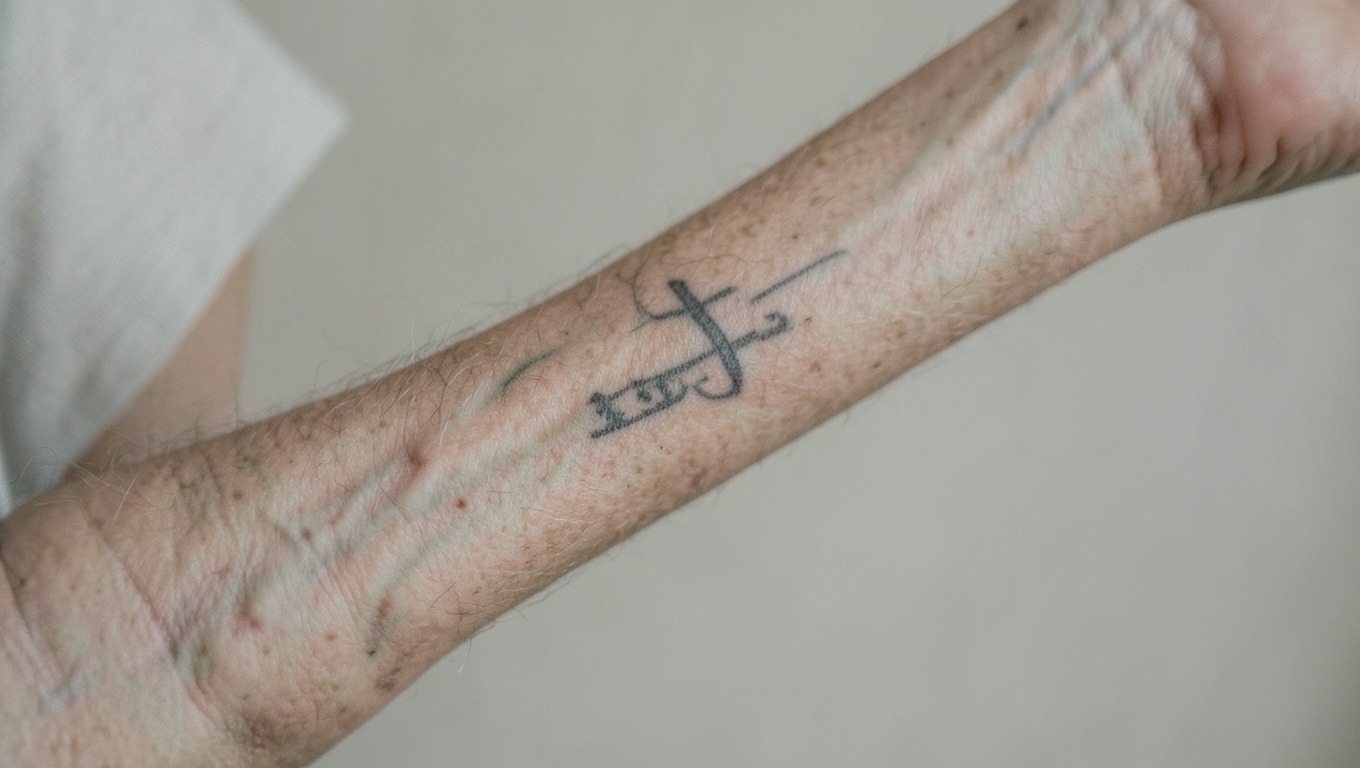
A tattoo is a lifetime object, so it helps to know how it will actually change. Here is what happens to ink at 5, 10, and 20 years, which styles and placements hold up, and how to design for the version of your tattoo you will wear the longest.
