Tattoo Pain, Honestly: What It Feels Like, Spot by Spot
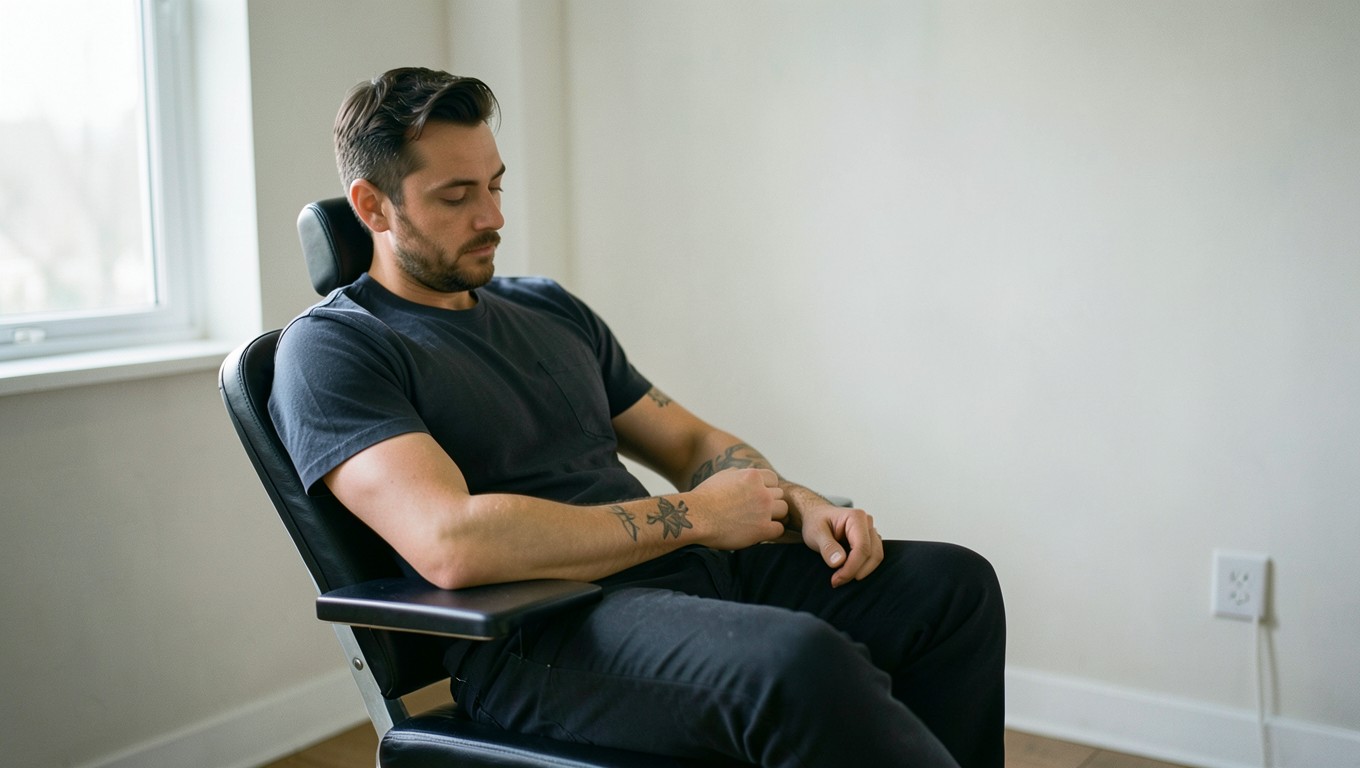
Quick answer: Getting tattooed hurts, but for most people it is a manageable, tolerable pain closer to a hot scratch than a sharp stab. It depends heavily on where: forearms, outer thighs, and calves are among the easiest, while ribs, spine, elbows, knees, ankles, feet, and the sternum are the hardest, because they sit over bone or dense nerves with little padding. How long you sit matters as much as the location.
“Does it hurt?” is the first question almost everyone asks, and the honest answer is yes — but that word does a lot of unhelpful work. The pain of a tattoo is specific, it is survivable, and it varies more by location and duration than most people expect. Knowing what it actually feels like, and which spots are genuinely harder, turns a vague dread into something you can plan around.
What the needle actually feels like
A tattoo machine is not one needle but a small cluster moving fast, so the sensation is less “stabbing” and more “dragging”. People reach for a few consistent descriptions:
- A hot scratch — like a cat scratch that keeps going over the same line, with a warm, burning edge to it. This is the most common description of linework.
- A dull vibration or buzz — especially over bone, where the sensation seems to echo into the skeleton. This is what makes bony spots distinct.
- A scraping or sunburn-being-rubbed feeling — shading and colour packing, where the machine covers the same area repeatedly, tends to feel like this rather than a sharp line.
The first few minutes are usually the worst, not because they hurt more, but because your body is bracing for the unknown. Most people settle once the adrenaline levels off and realise it is more tedious than agonising.
Why some spots hurt so much more than others
The pain map is not random. Three things drive it:
- How close the bone is. Where there is little fat or muscle between skin and bone — shin, elbow, kneecap, ribs, sternum, ankle, the top of the foot — the vibration transmits straight into bone and the whole area feels raw. This is the single biggest factor.
- Nerve density. Areas rich in nerve endings — the inner arm, armpit, groin, behind the knee, the ribs — are simply more sensitive to begin with.
- Thin, mobile, or stretched skin. Places where skin is thin or has to be pulled taut to tattoo, like the inner bicep or the feet, register more.
The pain map: easiest to hardest
| Roughly how it ranks | Spots | Why |
|---|---|---|
| Most forgiving | Outer/upper thigh, forearm, upper outer arm, calf, upper back (over the shoulder blade) | Muscle and fat padding, bone kept at a distance, fewer nerve endings. |
| Moderate | Shoulder, chest (fleshier parts), lower back, upper stomach | Some padding, but proximity to bone or more nerves in places. |
| Tough | Inner arm and inner bicep, hands and fingers, neck and throat, behind the knee | Thin skin, high nerve density, constant movement during healing. |
| Hardest | Ribs, sternum, spine, elbow and kneecap, ankle, top of the foot, armpit, groin | Bone directly under thin skin, or a concentration of nerves — often both. |
None of this should decide your tattoo on its own. A rib piece hurts, and people get beautiful rib pieces every day. But if it is your first tattoo and you want to know the sensation before committing to something bigger, a forearm or outer thigh is a gentle place to learn what your own tolerance is.
The factor people forget: how long you sit
A tiny symbol on the ribs is uncomfortable for a few minutes. A half-day session anywhere becomes hard in a different way — not because any single moment is worse, but because the body tires, the endorphins that carried the first hour fade, and the last stretch of a long sitting is where most people struggle. Session length is why a “medium pain” placement can end up feeling harder than a “high pain” one that is over quickly. If you are pain-anxious, a smaller first piece or a design split across two shorter sessions can matter more than the exact spot.
What you can actually control
You cannot change where the bone is, but the day-of variables are real:
- Eat a proper meal beforehand. Getting tattooed on an empty stomach is the fast route to feeling faint and shaky. A balanced meal an hour or two before, and a sugary drink or snack for a long sitting, keeps your blood sugar up.
- Sleep and hydrate. Well-rested, hydrated skin takes ink better and you tolerate the discomfort more easily. A hungover, underslept body makes everything worse.
- Skip alcohol and blood thinners. Alcohol and drugs like aspirin thin the blood, which means more bleeding, ink that struggles to settle, and a longer, messier session. Our preparation guide covers the full list.
- Breathe, don’t brace. Tensing up makes pain worse. Slow, steady breathing through the stretches that sting is genuinely effective.
- Numbing cream — ask first. It can take the edge off, especially on hard spots, but some artists dislike it because it can affect the skin’s texture and wears off mid-session. Raise it before the day, never surprise your artist with it.
Will you be able to handle it?
Almost certainly. The number of people who start a tattoo and cannot finish is very small, and pain tolerance is not the fixed, mystical thing it feels like beforehand. The anticipation is worse than the reality for most people. If you are genuinely worried, tell your artist — they do this all day, they can pace the session, take breaks, and start you somewhere forgiving. Knowing what to expect, which this guide is for, removes most of the fear on its own.
What is the most painful place to get a tattoo?
The hardest spots are the ones where bone sits directly under thin skin or where nerves are concentrated: ribs, sternum, spine, elbows, kneecaps, ankles, the tops of the feet, the armpit, and the groin. In these areas the vibration of the machine transmits into bone and there is little padding to soften it. That does not make them off-limits — plenty of people get stunning work there — it just means going in knowing it will be intense.
What is the least painful place for a first tattoo?
The outer or upper thigh, the forearm, the upper outer arm, and the calf are the most forgiving, because they have muscle and fat between skin and bone and relatively few nerve endings. They are good places to get a feel for the sensation before committing to something on a tougher spot.
Does numbing cream work for tattoos?
It can genuinely reduce the pain, especially on sensitive areas, but it has trade-offs: it can subtly change how the skin takes ink, and it often wears off partway through a long session, so the relief is temporary. Crucially, some artists prefer not to work over it. Always ask your artist well before the appointment rather than turning up having applied it.
Does getting a tattoo hurt more than it looks?
Usually less. People brace for something unbearable and find it is a manageable hot-scratch sensation that they settle into after the first few minutes. The exceptions are bony, nerve-dense spots and very long sessions, where fatigue rather than the needle itself becomes the challenge.
Why do bony areas like the ribs and ankles hurt so much?
Because there is almost no fat or muscle to absorb the vibration of the machine, so it travels straight into the bone and the whole area feels raw and rattling. Thin skin over bone also has more exposed nerve endings. It is the same reason a knock on your shin hurts far more than the same knock on your thigh.
Frequently asked questions
What is the most painful place to get a tattoo?
+
The hardest spots are the ones where bone sits directly under thin skin or where nerves are concentrated: ribs, sternum, spine, elbows, kneecaps, ankles, the tops of the feet, the armpit, and the groin. In these areas the vibration of the machine transmits into bone and there is little padding to soften it. That does not make them off-limits — plenty of people get stunning work there — it just means going in knowing it will be intense.
What is the least painful place for a first tattoo?
+
The outer or upper thigh, the forearm, the upper outer arm, and the calf are the most forgiving, because they have muscle and fat between skin and bone and relatively few nerve endings. They are good places to get a feel for the sensation before committing to something on a tougher spot.
Does numbing cream work for tattoos?
+
It can genuinely reduce the pain, especially on sensitive areas, but it has trade-offs: it can subtly change how the skin takes ink, and it often wears off partway through a long session, so the relief is temporary. Crucially, some artists prefer not to work over it. Always ask your artist well before the appointment rather than turning up having applied it.
Does getting a tattoo hurt more than it looks?
+
Usually less. People brace for something unbearable and find it is a manageable hot-scratch sensation that they settle into after the first few minutes. The exceptions are bony, nerve-dense spots and very long sessions, where fatigue rather than the needle itself becomes the challenge.
Why do bony areas like the ribs and ankles hurt so much?
+
Because there is almost no fat or muscle to absorb the vibration of the machine, so it travels straight into the bone and the whole area feels raw and rattling. Thin skin over bone also has more exposed nerve endings. It is the same reason a knock on your shin hurts far more than the same knock on your thigh.
Related designs
Free galleries from the same corner of the site.
Keep reading
When Can I Swim, Work Out, Shower, and Sunbathe After a Tattoo?
You can shower in 24 hours, but swimming, hard workouts, and sunbathing all need to wait weeks. Here is one clear table of how long to wait for each, and the reason behind every limit so you know which ones actually matter.
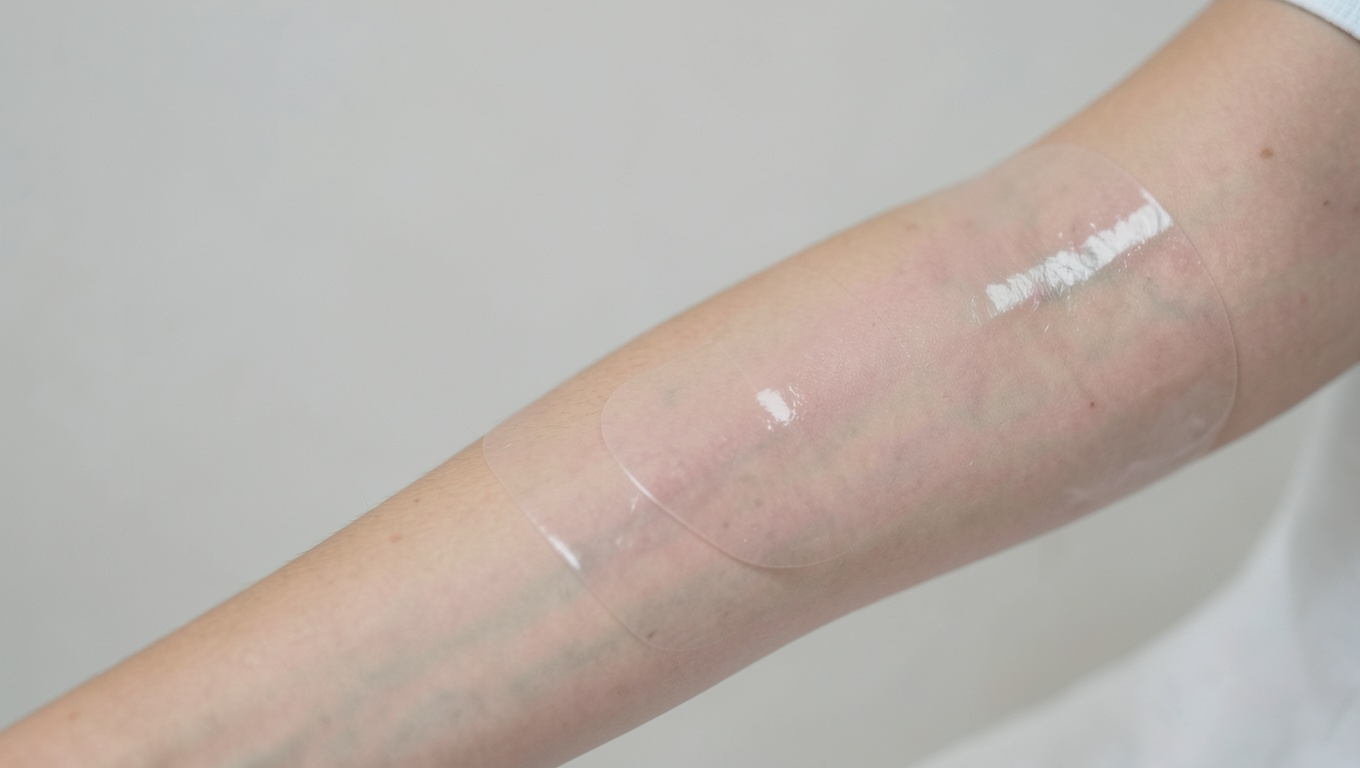
Saniderm vs Traditional Wrap: Which Should You Use?
Second-skin films like Saniderm and the traditional wash-and-air method both heal tattoos well. The right choice depends on your placement, your lifestyle, and your skin. Here is how to decide, and how to use each properly.
The First Week: A Day-by-Day Tattoo Aftercare Routine
Good aftercare is mostly about doing less, not more. Here is a simple day-by-day routine for the first week and beyond — when to wash, how much to moisturise, and the common mistakes that cause most healing problems.
