Is My Tattoo Healing Normally, or Infected?
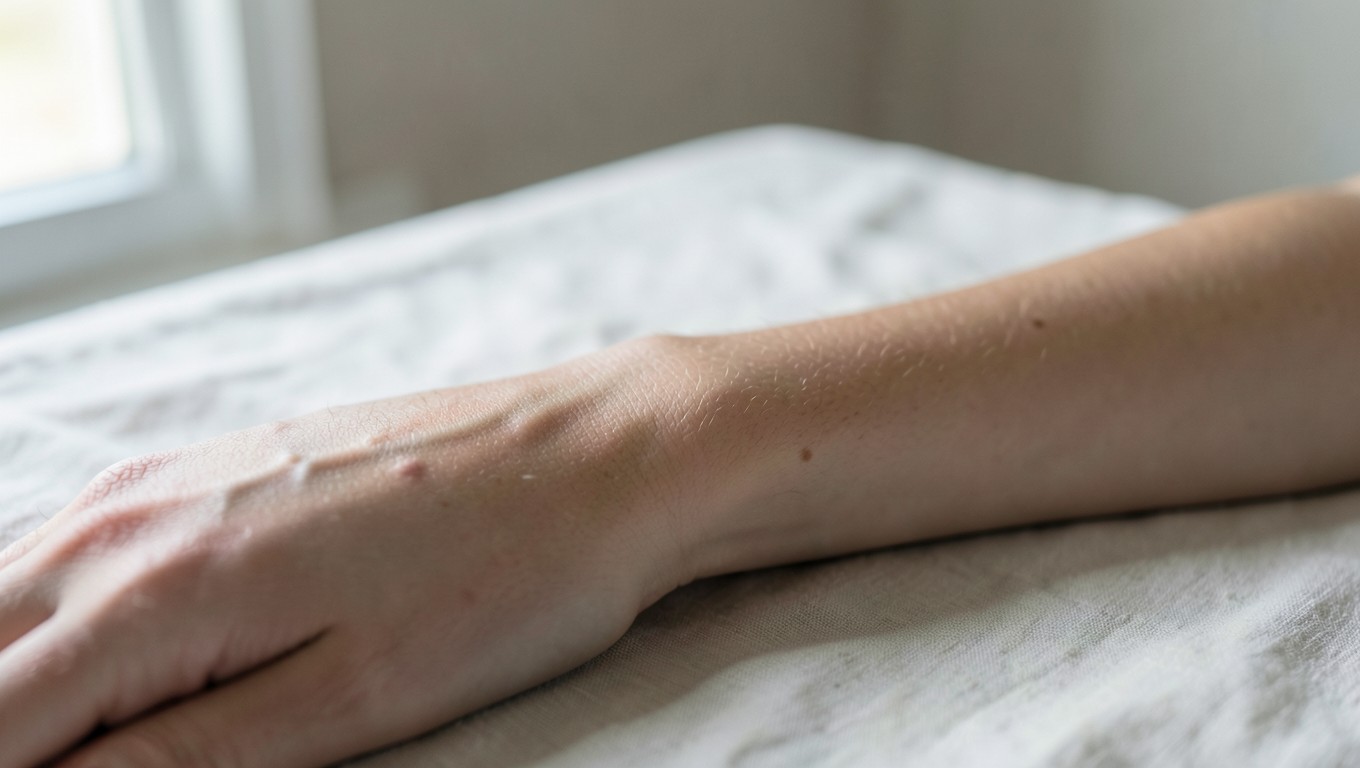
Quick answer: In the first three days a new tattoo is red, warm, a little swollen, and weeps clear or lightly ink-tinted fluid — all normal. From day four it itches and peels. The single most useful check is to ask, every morning: is this better, the same, or worse than yesterday? Healing steadily improves. Spreading redness, thick yellow or green pus, worsening pain, or a fever is the pattern of infection, and that is when you contact your artist or a doctor.
Almost everyone getting their first tattoo has the same bad night around day three or four. The skin is red, it feels hot, something is oozing, and every search result seems to describe an infection. The truth is that early healing and early infection look genuinely similar for a day or two — which is exactly why a still image rarely settles it. What settles it is direction. A healing tattoo gets a little better every day. An infected one gets worse.
This guide gives you both: a plain picture of what normal healing actually looks like, hour by hour and week by week, and the specific, concrete signs that mean something has gone wrong. Keep the daily question in mind as you read — it does more work than any single symptom.
The one question that tells you the most
Write down, or just notice, how the tattoo looks and feels each morning. You are not looking for perfection; you are looking for a trend.
- Better or the same as yesterday — redness receding, swelling down, pain fading, less fluid. This is the healing curve. It is not always perfectly linear, but over any two or three days it points one way: calmer.
- Clearly worse than yesterday — redness reaching further out, more pain rather than less, new warmth, discharge changing from thin and clear to thick and coloured. Two days in a row of “worse” is your signal to get it looked at.
Infection follows a curve of escalation. Healing follows a curve of settling. Almost every worried question people ask can be answered by which curve they are on.
What normal healing looks like, day by day
Timings vary with the size of the piece, where it is, and how you were bandaged, but the shape of it is consistent.
| Stage | When | What is normal |
|---|---|---|
| Fresh wound | Days 1–3 | Redness around the lines, warmth, mild swelling, and clear or lightly ink-stained fluid (plasma) weeping out. Some tenderness like a sunburn or graze. The colours look intense. |
| Itch and flake | Days 4–6 | The weeping stops. The surface dries, tightens, and begins to itch. Light flaking starts. It should feel less sore than day two, not more. |
| Peeling | Days 7–14 | The tattoo peels like a healing sunburn, often taking little flecks of coloured skin with it — this is dead surface skin, not your tattoo coming off. Itching peaks around the second week. Underneath, colours look dull and cloudy. |
| The cloudy phase | Weeks 2–4 | A thin, shiny, slightly milky layer sits over the tattoo, making it look faded and patchy. This is new skin. It is not the final result and it is not a problem. |
| Settled surface | Weeks 4–6 | The cloudiness clears and the tattoo looks bright and sharp again. The surface is healed. The deeper layers keep settling for a few months. |
Two details from that table cause most of the panic. The flecks of coloured skin that peel away look alarming and feel like the tattoo is falling out — it isn’t; that is surface skin doing its job. And the cloudy, faded look in weeks two to four fools people into thinking the work healed badly. Wait until the six-week mark before you judge how a tattoo settled. It almost always comes back.
Normal plasma versus infected discharge
Some fluid is expected and some is a warning, and the difference is easy to see once you know what to look for.
- Normal: thin, watery, clear or very lightly tinted with ink. It weeps for the first day or two, then stops as the surface dries.
- Concerning: thick and opaque rather than watery; distinctly yellow, green, or cloudy white; and appearing after the first couple of days rather than tailing off. Pus is the clearest single sign that this is no longer just healing.
The specific signs of infection
Any one of these, especially getting worse day over day, means stop watching and contact someone.
- Redness spreading outward from the tattoo into the surrounding skin, rather than a red margin that is shrinking.
- Pain increasing after the first few days instead of easing.
- Heat and hard swelling that builds rather than fades.
- Thick yellow, green, or white pus, or a bad smell.
- Red streaks running away from the tattoo — a sign infection may be moving into deeper tissue, and a reason to seek care the same day.
- Fever, chills, or swollen glands near the tattoo. A temperature over about 38°C (101°F) with a sore tattoo is not something to sit on.
Not the same as infection: an itchy, raised reaction isolated to one specific ink colour — often red — while the rest heals fine is usually a pigment sensitivity, not an infection. It still deserves a mention to your artist and, if it persists, a doctor, but it behaves differently from the spreading, worsening pattern above.
When to contact your artist, and when to see a doctor
These are two different calls. Your artist is the right first contact for anything about how it looks — patchiness, a scab that lifted, whether the peeling is normal. They have seen thousands of healing tattoos and can usually reassure you or tell you to get it checked.
Go to a doctor or urgent care, not your artist, when the signs point to a real infection: spreading redness, pus, a fever, or red streaks. Tattoo infections are usually treated straightforwardly with antibiotics, and they get harder to treat the longer they are left. An artist cannot prescribe; when it has tipped into infection, medical care is the fix.
How to keep it on the healing curve
Most healing problems are caused by doing too much, not too little. Wash gently with clean hands and a fragrance-free soap, pat dry, and apply a thin layer of a recommended aftercare product — thin enough that the skin can still breathe. Don’t pick, don’t scratch, keep it out of pools, hot tubs and direct sun, and don’t re-bandage a tattoo that has moved past the wrap your artist applied. Our day-by-day aftercare routine covers exactly how and when to do each of these.
Is it normal for my tattoo to ooze on the first day?
Yes. Clear or lightly ink-tinted fluid, called plasma, weeps from a fresh tattoo for the first day or two while the surface is still an open wound. It should be thin and watery, and it should stop as the skin dries out. Thick, coloured, or foul-smelling discharge, or fluid that starts up again after a few days, is the version to worry about.
My tattoo is peeling and colour is coming off — did it heal wrong?
Almost certainly not. In the second week a tattoo peels like a healing sunburn, and the little coloured flakes are dead surface skin, not the tattoo itself, which sits in a deeper layer. Let it flake off on its own and never pick it. If patches genuinely look empty of ink once fully healed at six weeks, that is a touch-up conversation, not a healing failure.
How do I tell an allergic reaction from an infection?
An allergic or pigment reaction tends to be itchy and raised and confined to one ink colour, while the rest of the tattoo heals normally. An infection spreads outward regardless of colour, gets more painful over time, and often produces pus or a fever. Reactions are a “mention it and monitor” situation; the spreading, worsening, feverish pattern is a “get seen today” one.
How long until a tattoo is fully healed?
The surface heals in about two to four weeks, which is when it stops peeling and the cloudy layer clears. The deeper skin keeps settling for two to three months, which is why a tattoo can look slightly different — usually sharper — a few weeks after the surface looks done. Judge the final result at around six weeks, not before.
Should I go to the emergency room for an infected tattoo?
Most suspected infections can wait for a same-day GP or urgent-care visit, where oral antibiotics usually resolve it. Treat it as urgent — red streaks moving away from the tattoo, a high fever, spreading swelling, or feeling genuinely unwell — and go to emergency care, because those can signal infection moving beyond the skin.
Frequently asked questions
Is it normal for my tattoo to ooze on the first day?
+
Yes. Clear or lightly ink-tinted fluid, called plasma, weeps from a fresh tattoo for the first day or two while the surface is still an open wound. It should be thin and watery, and it should stop as the skin dries out. Thick, coloured, or foul-smelling discharge, or fluid that starts up again after a few days, is the version to worry about.
My tattoo is peeling and colour is coming off — did it heal wrong?
+
Almost certainly not. In the second week a tattoo peels like a healing sunburn, and the little coloured flakes are dead surface skin, not the tattoo itself, which sits in a deeper layer. Let it flake off on its own and never pick it. If patches genuinely look empty of ink once fully healed at six weeks, that is a touch-up conversation, not a healing failure.
How do I tell an allergic reaction from an infection?
+
An allergic or pigment reaction tends to be itchy and raised and confined to one ink colour, while the rest of the tattoo heals normally. An infection spreads outward regardless of colour, gets more painful over time, and often produces pus or a fever. Reactions are a “mention it and monitor” situation; the spreading, worsening, feverish pattern is a “get seen today” one.
How long until a tattoo is fully healed?
+
The surface heals in about two to four weeks, which is when it stops peeling and the cloudy layer clears. The deeper skin keeps settling for two to three months, which is why a tattoo can look slightly different — usually sharper — a few weeks after the surface looks done. Judge the final result at around six weeks, not before.
Should I go to the emergency room for an infected tattoo?
+
Most suspected infections can wait for a same-day GP or urgent-care visit, where oral antibiotics usually resolve it. Treat it as urgent — red streaks moving away from the tattoo, a high fever, spreading swelling, or feeling genuinely unwell — and go to emergency care, because those can signal infection moving beyond the skin.
Keep reading

When Can I Swim, Work Out, Shower, and Sunbathe After a Tattoo?
You can shower in 24 hours, but swimming, hard workouts, and sunbathing all need to wait weeks. Here is one clear table of how long to wait for each, and the reason behind every limit so you know which ones actually matter.
Saniderm vs Traditional Wrap: Which Should You Use?
Second-skin films like Saniderm and the traditional wash-and-air method both heal tattoos well. The right choice depends on your placement, your lifestyle, and your skin. Here is how to decide, and how to use each properly.
The First Week: A Day-by-Day Tattoo Aftercare Routine
Good aftercare is mostly about doing less, not more. Here is a simple day-by-day routine for the first week and beyond — when to wash, how much to moisturise, and the common mistakes that cause most healing problems.
