The First Week: A Day-by-Day Tattoo Aftercare Routine
Quick answer: Keep the first wrap on as long as your artist says (a few hours for a basic wrap, days for a second-skin film). After that, wash gently twice a day with clean hands and fragrance-free soap, pat dry, and apply a thin layer of aftercare. Don’t pick, don’t scratch, don’t soak it, and keep it out of the sun. Most healing problems come from over-moisturising or fiddling, not from doing too little.
A new tattoo is an open wound, and it heals the way any wound heals: best when it is kept clean, protected, and mostly left alone. The single most common mistake is doing too much — drowning it in ointment, washing it constantly, peeling the flakes. This routine keeps it simple. It works for both bandaging methods; where they differ, our wrap comparison covers the detail.
First, the two wrap types
Your artist will send you home in one of two things, and the first day depends on which:
- A basic wrap (cling film or a paper towel and tape) comes off after a few hours — follow the exact time your artist gives you. Once it’s off, you begin the wash-and-moisturise routine below.
- A second-skin film (Saniderm and similar) stays on for anywhere from two to seven days. It is a clear adhesive layer you leave in place, and fluid pooling under it is normal. You don’t start the daily washing routine until it comes off.
The day-by-day routine
| Day | What to do | What’s normal |
|---|---|---|
| Day 1 | Remove the first wrap when instructed. Wash gently with lukewarm water and fragrance-free soap using only your clean hands — no cloth. Pat dry with a clean paper towel. Apply the thinnest possible layer of aftercare, or leave it bare to breathe if your artist prefers. | Redness, warmth, weeping plasma, tenderness like a graze. |
| Days 2–3 | Wash twice a day, morning and night, the same gentle way. Thin layer of aftercare after each wash and whenever it feels tight or dry. Wear loose, clean clothing over it. | Weeping stops, skin tightens, tenderness starts to fade. |
| Days 4–6 | Keep washing twice daily. The itch begins — resist it completely. A light moisturiser calms it; slapping (not scratching) helps if it’s maddening. Light flaking starts. | Itching, dryness, the first flakes lifting. |
| Days 7–14 | Peeling proper. Let every flake fall on its own. Keep moisturising thinly. The tattoo looks cloudy and dull underneath — that’s new skin, not a problem. | Peeling like a sunburn, cloudy surface, itch peaking then easing. |
| Weeks 3–4 | Surface is basically healed. Ease off frequent washing back to normal, keep skin moisturised, and start using sunscreen on it once fully closed. | Cloudiness clears, colour brightens, surface smooths. |
What “a thin layer” really means
This is where most people go wrong. Aftercare balm is there to stop the skin drying out and cracking, not to seal it. A thick coat suffocates the skin, traps bacteria and moisture, and can pull ink or cause breakouts. The right amount is barely visible once rubbed in — if it looks shiny and greasy, it’s too much, and you should dab the excess off with a clean tissue. A wound needs some air to heal; you are moisturising, not glazing.
The mistakes that cause most problems
- Picking and scratching. The single worst thing you can do. Pulling off a scab or flake early takes ink with it and leaves a patch you’ll need touched up. The itch is temporary; the damage isn’t.
- Over-moisturising. More balm is not more healing. It’s the second most common cause of a badly healed tattoo after picking.
- Soaking it. Long baths, swimming, hot tubs — anything that submerges the tattoo softens the scab and lifts pigment. Quick lukewarm showers only, and don’t let the water blast directly onto it for the first couple of weeks.
- Sun exposure. UV on a fresh tattoo fades it before it’s even healed and can burn broken skin. Keep it covered outdoors for the first few weeks; sunscreen comes once the surface is fully closed.
- Tight or dirty clothing. Fabric that rubs or traps sweat against a healing tattoo irritates it and can lift flakes. Loose and clean wins.
- Re-wrapping it yourself. Once the initial wrap is off, a healing tattoo generally wants air, not a fresh bandage — unless your artist has specifically told you to re-cover it.
The full picture beyond week one
The surface heals in two to four weeks, but the deeper skin keeps settling for two to three months. During that time keep moisturising, keep it out of strong sun, and hold off on swimming and heavy workouts until it’s properly closed — the timings for each are in our guide on when you can swim, work out and shower. If any part still looks patchy at the six-week mark, that’s the moment to ask your artist about a touch-up, not before.
What you actually need to buy
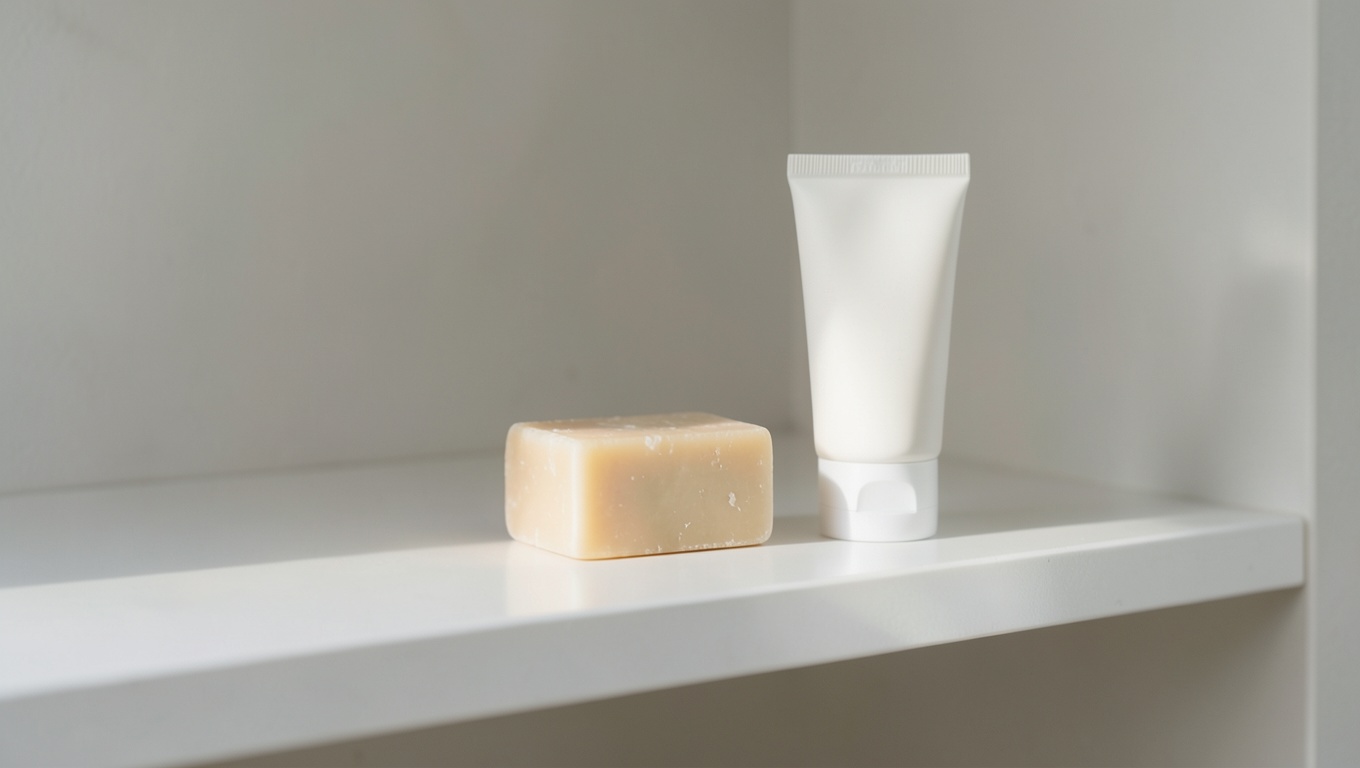
Aftercare is one of the few areas where the marketing outpaces the need. You don’t need an expensive branded kit. The short, honest shopping list:
- A gentle, fragrance-free soap for washing — a plain antibacterial or a mild unscented liquid soap is fine.
- A thin, fragrance-free moisturiser or a dedicated tattoo balm. Whatever your artist recommended takes priority; beyond that, a simple unscented lotion does the job once past the first few days.
- Clean paper towels for patting dry — cleaner than a shared bathroom towel, which harbours bacteria.
- A high-SPF, fragrance-free sunscreen for once it’s healed. This is the one product that keeps a tattoo sharp for years.
Skip anything with fragrance, colour, or “active” ingredients while the tattoo is still an open wound. Simpler is genuinely better here.
The care that keeps it looking good for years
Once the wound has closed, aftercare becomes maintenance, and it’s easy: keep the skin moisturised and, above all, keep it out of strong sun. UV is the single biggest cause of a tattoo fading and blurring over time, so a habit of sunscreen on exposed tattoos does more for their longevity than anything else. A tattoo you protect will look crisp a decade on; one you bake at the beach every summer will grey and soften far sooner. Our guide on why tattoos fade goes into what actually preserves them.
If something looks wrong: spreading redness, thick coloured pus, increasing pain, or a fever isn’t part of normal healing. Our guide on telling healing from infection walks through exactly what to watch for and when to get it checked.
How often should I wash a new tattoo?
Twice a day — morning and night — for the first couple of weeks, using lukewarm water, fragrance-free soap, and clean hands only. More often than that isn’t better; it just keeps disturbing skin that’s trying to close. Always pat dry with something clean rather than rubbing, and never use a flannel or sponge that harbours bacteria.
How much aftercare cream should I use?
A very thin layer — just enough to stop the skin feeling tight and dry, rubbed in until it’s almost invisible. If the tattoo looks shiny or greasy, you’ve used too much; blot the excess off. Over-moisturising traps bacteria and moisture against the skin and is one of the most common causes of a patchy heal.
My tattoo is scabbing — is that bad?
Light scabbing can be normal, especially on areas that were worked heavily, but thick scabs often mean the tattoo was over-moisturised or knocked. Whatever forms, leave it completely alone: let it dry, flake, and fall off in its own time. Picking a scab off early is the fastest way to pull out ink and end up needing a touch-up.
Can I put regular body lotion on my tattoo?
Once it’s past the first few days and into the flaking stage, a plain, fragrance-free moisturiser is fine and often recommended. Avoid anything with fragrance, colour, or active ingredients while it’s still an open wound in the first days, and follow whatever specific product your artist recommended for the very early stage.
When can I stop the aftercare routine?
Ease off the twice-daily washing once the surface has healed and stopped peeling, usually around weeks three to four. Keep the skin moisturised and protected from the sun well beyond that, though — a well-moisturised, sun-protected tattoo stays sharp and vivid for years, so a light ongoing habit pays off long after the wound has closed.
Frequently asked questions
How often should I wash a new tattoo?
+
Twice a day — morning and night — for the first couple of weeks, using lukewarm water, fragrance-free soap, and clean hands only. More often than that isn’t better; it just keeps disturbing skin that’s trying to close. Always pat dry with something clean rather than rubbing, and never use a flannel or sponge that harbours bacteria.
How much aftercare cream should I use?
+
A very thin layer — just enough to stop the skin feeling tight and dry, rubbed in until it’s almost invisible. If the tattoo looks shiny or greasy, you’ve used too much; blot the excess off. Over-moisturising traps bacteria and moisture against the skin and is one of the most common causes of a patchy heal.
My tattoo is scabbing — is that bad?
+
Light scabbing can be normal, especially on areas that were worked heavily, but thick scabs often mean the tattoo was over-moisturised or knocked. Whatever forms, leave it completely alone: let it dry, flake, and fall off in its own time. Picking a scab off early is the fastest way to pull out ink and end up needing a touch-up.
Can I put regular body lotion on my tattoo?
+
Once it’s past the first few days and into the flaking stage, a plain, fragrance-free moisturiser is fine and often recommended. Avoid anything with fragrance, colour, or active ingredients while it’s still an open wound in the first days, and follow whatever specific product your artist recommended for the very early stage.
When can I stop the aftercare routine?
+
Ease off the twice-daily washing once the surface has healed and stopped peeling, usually around weeks three to four. Keep the skin moisturised and protected from the sun well beyond that, though — a well-moisturised, sun-protected tattoo stays sharp and vivid for years, so a light ongoing habit pays off long after the wound has closed.
Keep reading
When Can I Swim, Work Out, Shower, and Sunbathe After a Tattoo?
You can shower in 24 hours, but swimming, hard workouts, and sunbathing all need to wait weeks. Here is one clear table of how long to wait for each, and the reason behind every limit so you know which ones actually matter.
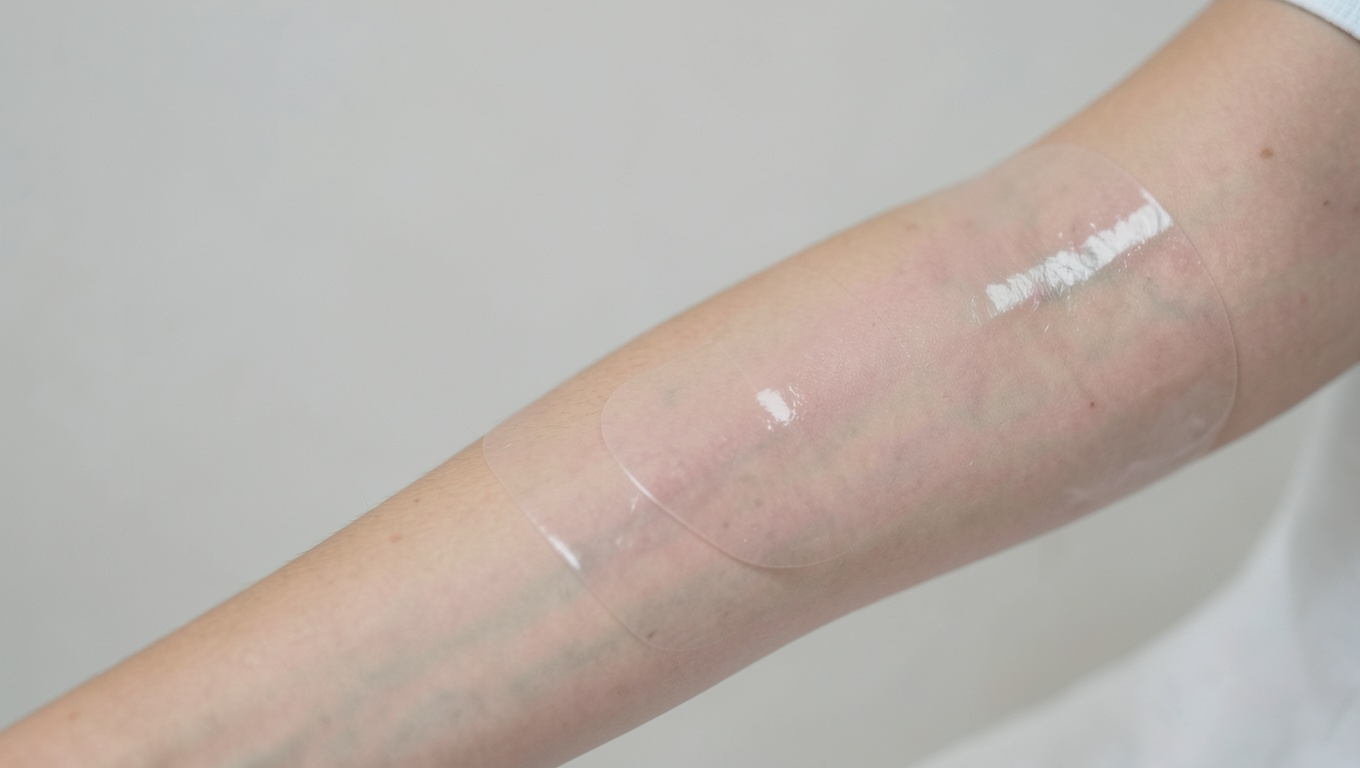
Saniderm vs Traditional Wrap: Which Should You Use?
Second-skin films like Saniderm and the traditional wash-and-air method both heal tattoos well. The right choice depends on your placement, your lifestyle, and your skin. Here is how to decide, and how to use each properly.
Tattoo Pain, Honestly: What It Feels Like, Spot by Spot
Tattoo pain is real but manageable, and it feels different depending on where you get it. Here is what the needle actually feels like, which spots hurt most and least and why, and the things you can control on the day.
