Saniderm vs Traditional Wrap: Which Should You Use?
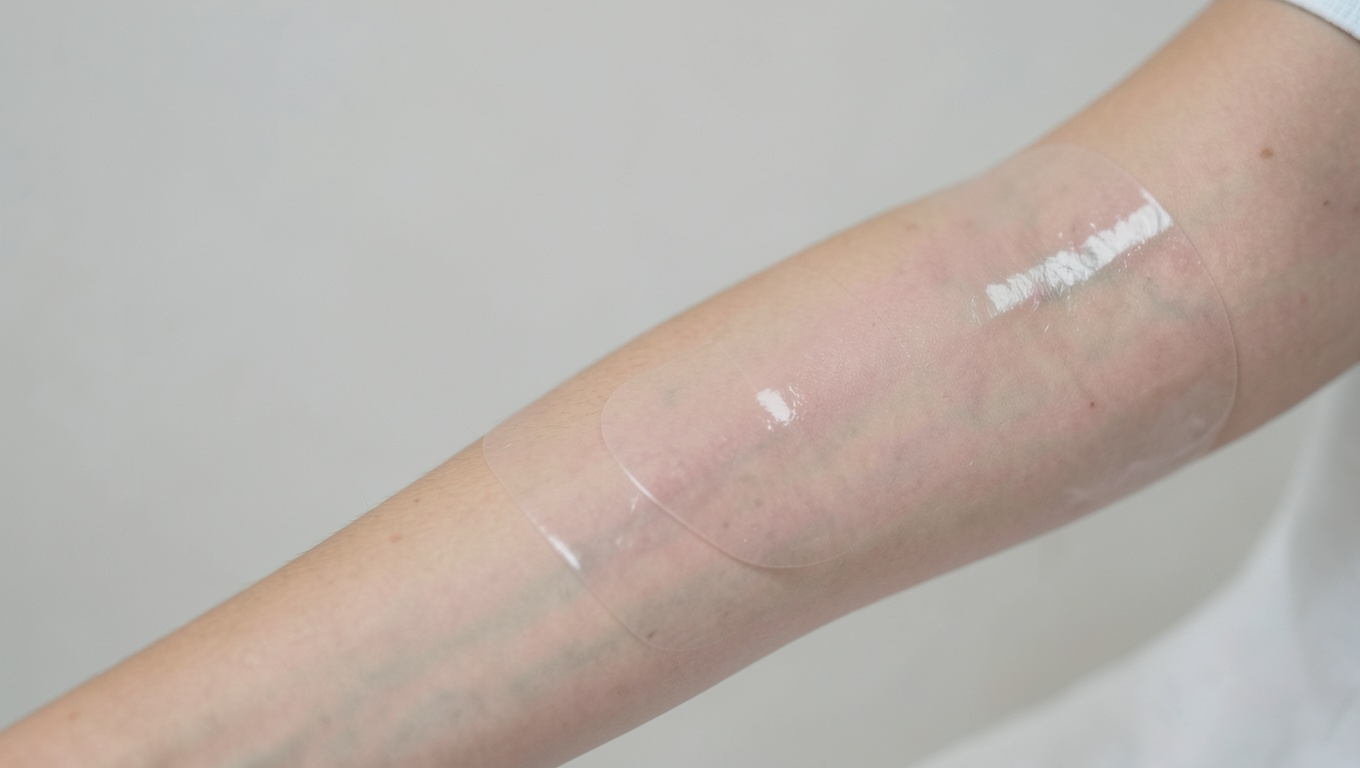
Quick answer: Both work. Second-skin film (Saniderm, Dermalize and similar) is a clear adhesive layer worn for several days that keeps the tattoo moist, protected, and low-maintenance — ideal for busy people and awkward-to-reach placements, as long as you’re not sensitive to the adhesive. The traditional method — wash, air, thin moisturiser, repeat — gives you more control and no adhesive risk, but demands discipline. Your artist’s recommendation for your specific tattoo should carry the most weight.
There are two schools of tattoo healing, and people online defend each like a religion. The honest position is that both heal tattoos well when done properly, and the “best” one depends on you, not on which the internet shouts loudest about. This guide lays out how each actually works, what each is good and bad at, and how to pick — plus how to use whichever you choose without the common mistakes.
How each method works
Second-skin film is a thin, flexible, breathable adhesive sheet applied over the fresh tattoo, often by the artist before you leave. It stays on for two to seven days depending on the product and the placement. Underneath, the tattoo sits in its own plasma, healing in a moist, sealed environment protected from bacteria, friction, and your own fiddling. You typically wear one film for the first stretch, then sometimes a second, then switch to light moisturising.
The traditional method is the decades-old approach: after the initial wrap comes off in a few hours, you wash the tattoo gently twice a day, let it air, and apply a thin layer of aftercare as needed. The tattoo scabs and peels in the open. It’s the routine laid out in our day-by-day aftercare guide.
Second skin: strengths and drawbacks
| Strengths | Drawbacks |
|---|---|
| Low-maintenance — no twice-daily routine while it’s on. | Adhesive can irritate sensitive skin; a small share of people react to it. |
| Seals out bacteria, friction, and clothing rub. | The pooled plasma underneath looks alarming and puts some people off. |
| Keeps the tattoo moist, which can reduce heavy scabbing. | Applying a fresh one yourself, cleanly and bubble-free, takes some care. |
| Great for hard-to-reach or high-friction spots and for people who’d otherwise pick. | If it peels off early or water gets under the seal, it must be removed and the tattoo cared for the traditional way. |
Traditional wrap: strengths and drawbacks
| Strengths | Drawbacks |
|---|---|
| No adhesive, so no adhesive reaction — the safe default for sensitive skin. | Demands discipline: miss washes or over-apply balm and healing suffers. |
| You can see the tattoo the whole time and catch problems early. | The tattoo is exposed to bacteria, friction, and the temptation to pick. |
| Cheap — soap and a plain moisturiser, nothing special to buy. | More visible scabbing and flaking for some people. |
| Total control over exactly what touches your skin. | Awkward placements are hard to keep clean and protected. |
How to choose
Match the method to your situation:
- Sensitive or allergy-prone skin? Lean traditional, or test a small patch of the film first. Adhesive reactions are the main downside of second skin.
- Busy, active, or travelling? Second skin’s low-maintenance seal is a real advantage — it protects the tattoo through work, gym clothes, and days you can’t reliably do a careful wash routine.
- Awkward or high-friction placement (inner arm, waistband area, anywhere clothing rubs)? Second skin shields it better.
- A picker? If you know you’ll fiddle, the film physically stops you, which alone can be worth it.
- Want maximum control and minimum spend? Traditional, done diligently, is hard to beat and costs almost nothing.
The tiebreaker: whatever your artist applied and recommended for your tattoo. They know the placement, how heavily it was worked, and how your skin behaved in the chair. A general guide can’t override that specific read.
Using each one properly
Second skin: leave the first film on for the time your artist specifies — don’t peel it early to look. Fluid pooling underneath is normal and expected, not a leak. Remove it gently in a warm shower, peeling low and slow in the direction of hair growth rather than yanking, which hurts and can lift skin. Once it’s off (and any second film has run its course), switch to gentle washing and light moisturising. If water breaches the seal or it lifts at the edges early, take it off and go traditional from there.
Traditional: follow the routine in our aftercare guide — gentle twice-daily washes, a genuinely thin layer of moisturiser, no picking, no soaking, no sun. The whole method lives or dies on “thin layer” and “hands off”.
One rule spans both: no method replaces the fundamentals. You still keep it clean, still keep it out of pools and strong sun, still leave the scabs and flakes alone. The wrap changes the packaging, not the principles.
Troubleshooting second skin
Most second-skin problems have simple answers, and knowing them in advance stops a normal event turning into a panic:
- It’s lifting at the edges. Minor edge-lift after a couple of days is common. If it’s small and the seal over the tattoo is intact, you can usually leave it. If a whole side has peeled or water can get under it, take the film off, wash gently, and continue with traditional care.
- Fluid has leaked out. A broken seal means bacteria can get in. Remove the film, clean the tattoo, and don’t reapply a fresh one over a tattoo that’s already several days into healing — switch to washing and moisturising.
- The skin around the edges is red and itchy. That’s usually an adhesive reaction, not an infection of the tattoo. Remove the film and go traditional. Redness that spreads or comes with pus or fever is different — check our guide on healing versus infection.
- You want to see the tattoo. Resist peeling the film early just to look. Every removal-and-reapply cycle risks the seal and disturbs healing. Trust the process for the window your artist gave you.
The general rule: when in doubt, taking the film off and reverting to gentle traditional care is always a safe fallback. You lose the convenience, not the heal.
Is Saniderm better than the traditional wrap method?
Neither is universally better — they’re different tools. Second-skin film is more convenient and protective, which suits active people, awkward placements, and anyone prone to picking. The traditional method is cheaper, adhesive-free, and gives you full visibility, which suits sensitive skin and people happy to keep a careful routine. Both heal tattoos well when used properly, so the “better” one is the one that fits your skin and your life.
Is the fluid under my second-skin film normal?
Yes. A cloudy mix of plasma and a little ink pools under the film as the tattoo weeps in its first days, and it can look unsettling. That’s the film doing its job — keeping the tattoo in a clean, moist environment. It only becomes a problem if the film peels away early or water gets under the seal, in which case remove it and switch to traditional care.
How long do you leave Saniderm or second skin on?
It depends on the product and your artist, but generally the first film stays on for one to a few days, and many people apply a second for a few more, for a total of up to about a week. Follow the specific timing your artist gave you rather than a generic number, and remove it gently in a warm shower rather than dry-peeling it.
Can I use second skin if I have sensitive skin?
You can, but the adhesive is the main risk — a minority of people react to it with redness or irritation around the edges. If your skin is reactive, either stick with the traditional method or test a small piece of the film on nearby skin for a day before committing to covering the whole tattoo. Any spreading rash under or around it means take it off.
Do I still need aftercare cream if I use a second-skin film?
Not while the film is on — it keeps the tattoo moist on its own. Once the film comes off for good, though, you switch to the same gentle care as everyone else: light washing and a thin layer of fragrance-free moisturiser as the tattoo finishes peeling and settling. The film covers the first stage; it doesn’t replace the whole heal.
Frequently asked questions
Is Saniderm better than the traditional wrap method?
+
Neither is universally better — they’re different tools. Second-skin film is more convenient and protective, which suits active people, awkward placements, and anyone prone to picking. The traditional method is cheaper, adhesive-free, and gives you full visibility, which suits sensitive skin and people happy to keep a careful routine. Both heal tattoos well when used properly, so the “better” one is the one that fits your skin and your life.
Is the fluid under my second-skin film normal?
+
Yes. A cloudy mix of plasma and a little ink pools under the film as the tattoo weeps in its first days, and it can look unsettling. That’s the film doing its job — keeping the tattoo in a clean, moist environment. It only becomes a problem if the film peels away early or water gets under the seal, in which case remove it and switch to traditional care.
How long do you leave Saniderm or second skin on?
+
It depends on the product and your artist, but generally the first film stays on for one to a few days, and many people apply a second for a few more, for a total of up to about a week. Follow the specific timing your artist gave you rather than a generic number, and remove it gently in a warm shower rather than dry-peeling it.
Can I use second skin if I have sensitive skin?
+
You can, but the adhesive is the main risk — a minority of people react to it with redness or irritation around the edges. If your skin is reactive, either stick with the traditional method or test a small piece of the film on nearby skin for a day before committing to covering the whole tattoo. Any spreading rash under or around it means take it off.
Do I still need aftercare cream if I use a second-skin film?
+
Not while the film is on — it keeps the tattoo moist on its own. Once the film comes off for good, though, you switch to the same gentle care as everyone else: light washing and a thin layer of fragrance-free moisturiser as the tattoo finishes peeling and settling. The film covers the first stage; it doesn’t replace the whole heal.
Related designs
Free galleries from the same corner of the site.

Keep reading
When Can I Swim, Work Out, Shower, and Sunbathe After a Tattoo?
You can shower in 24 hours, but swimming, hard workouts, and sunbathing all need to wait weeks. Here is one clear table of how long to wait for each, and the reason behind every limit so you know which ones actually matter.
The First Week: A Day-by-Day Tattoo Aftercare Routine
Good aftercare is mostly about doing less, not more. Here is a simple day-by-day routine for the first week and beyond — when to wash, how much to moisturise, and the common mistakes that cause most healing problems.
Tattoo Pain, Honestly: What It Feels Like, Spot by Spot
Tattoo pain is real but manageable, and it feels different depending on where you get it. Here is what the needle actually feels like, which spots hurt most and least and why, and the things you can control on the day.
