Tattooing Over Scars, Stretch Marks, and Moles: What’s Possible
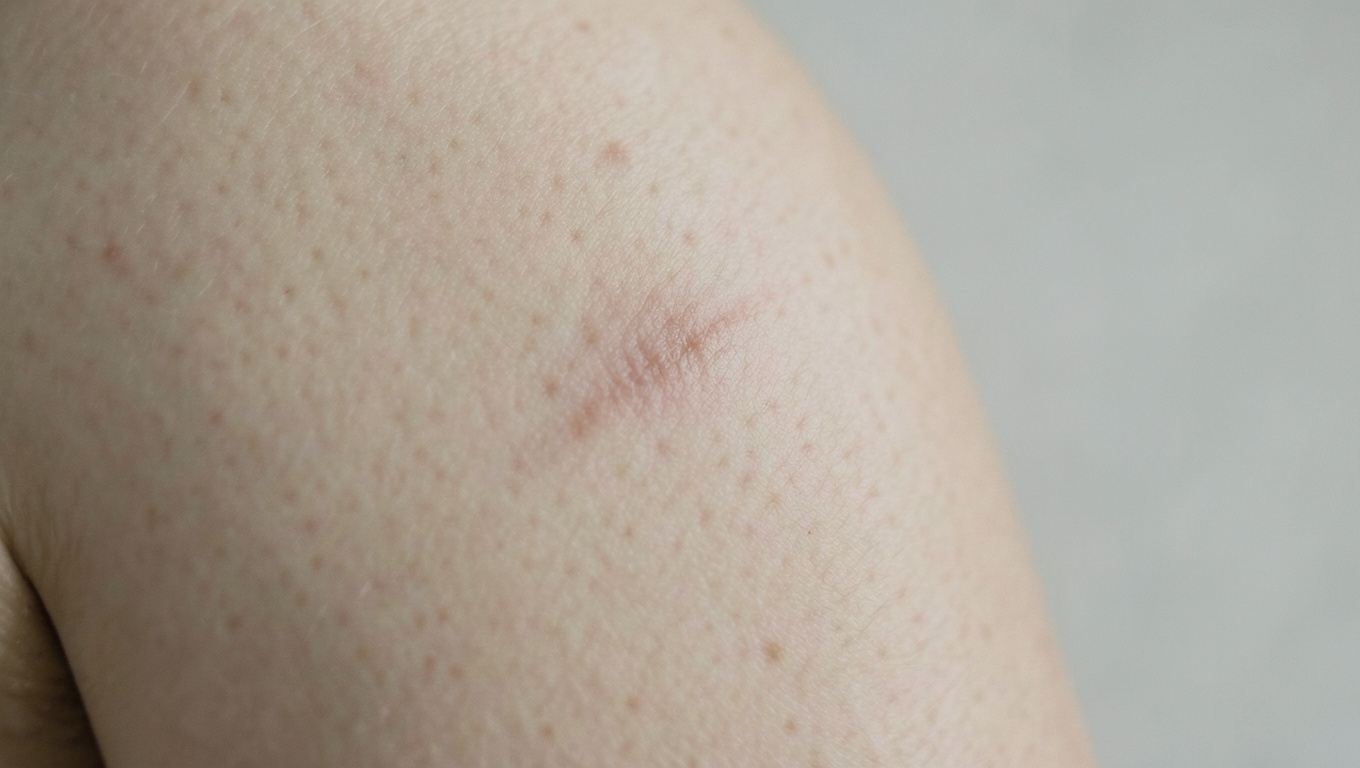
Quick answer: Scars and stretch marks can usually be tattooed once they are fully healed and mature — generally at least a year old, pale rather than red or raised — but they take ink unpredictably and need an artist experienced with scar tissue. Moles should not be tattooed over: it obscures changes a doctor needs to see, and good artists design around them instead. Expect a consultation, honest expectations, and possibly a test patch.
Plenty of people want a tattoo over skin that isn’t smooth and unmarked — a scar from surgery or an injury, stretch marks from growth or pregnancy, or an area dotted with moles. All three come up constantly, and each has a different answer. Here’s what’s realistic.
Scars: usually yes, with the right timing and artist
Tattooing over a scar is common and can be done beautifully, but scar tissue behaves differently from normal skin. It’s less elastic, its texture is uneven, and it takes ink unpredictably — some areas absorb more, some less, so colour can settle patchy.
- Timing matters most. The scar must be fully healed and mature, which usually means at least a year old, sometimes longer for surgical scars. A mature scar is pale, flat, and no longer changing. Tattooing a red, raised, or still-developing scar risks poor results and further damage.
- Risks to know: ink can spread unpredictably in scar tissue (a “blowout”), the texture may still be visible through the tattoo, and scarred areas are often more sensitive — sometimes noticeably more painful than surrounding skin.
- It needs a specialist. Tattooing scar tissue is a distinct skill requiring different technique, needle depth, and pacing. Ask specifically for healed examples of the artist’s work over scars.
- Realistic goal: a well-done scar tattoo usually camouflages and distracts rather than making the scar invisible. The texture often remains under the ink. Designs with movement and organic shapes — florals, patterns, abstract work — disguise unevenness far better than clean geometric lines, which highlight any distortion.
Stretch marks: yes, with the same caveats
Stretch marks are a form of scarring, so the same rules apply: they should be old, pale, and settled rather than fresh, red or purple. Mature stretch marks generally take ink reasonably well, though the texture can still show and saturation may vary along the lines.
One thing many people don’t realise: you often don’t need to tattoo directly over them. An experienced artist can place and design a piece so that stretch marks are visually broken up and effectively disappear into the composition, without the needle going over the worst of them. If your goal is “make these less noticeable” rather than “cover this exact patch,” say so — it opens up better options.
Moles: design around, don’t cover
This is the one clear “don’t.” Reputable artists won’t tattoo directly over a mole, for two solid reasons:
- It hides medical warning signs. Moles need to be monitored for changes in shape, size, and colour — that’s how skin cancers are caught early. Ink over or around a mole makes those changes far harder for you or a doctor to spot.
- Raised moles tattoo badly anyway. The uneven surface means ink deposits inconsistently, and the result is usually poor.
What good artists do instead: design around it. A skilled artist can compose a piece that incorporates or simply avoids a mole so cleanly you’d never notice — leaving a small clear margin around it. If you have a mole you dislike and want gone, that’s a dermatologist conversation first; get it assessed and, if appropriate, removed, let it heal fully, and then tattoo the area.
Worth doing regardless: if any mole in the area has changed recently, or you’ve never had your moles checked, see a doctor before booking. It’s a quick appointment and the right order of operations.
How to approach the consultation
Go in with information and realistic expectations:
- Say how old the scar or stretch marks are and how they’ve changed. Age and maturity are the deciding factors.
- Ask to see healed work over scar tissue specifically — not just the artist’s regular portfolio. This is a specialism and healed photos are the proof. Our guide on choosing an artist explains why healed work matters so much.
- Expect a possible test patch. Some artists will tattoo a small area first to see how the scar tissue takes ink before committing to a full design — a sign of a careful professional, not hesitancy.
- Be prepared for “not yet.” If a scar is too new, waiting another six or twelve months gives a much better result. That’s good advice, not a brush-off.
- Check with your doctor if the scar is from recent surgery or if you have a history of keloid scarring — see our guide on medical conditions and tattoos.
Can you tattoo over a scar?
Usually yes, once the scar is fully healed and mature — generally at least a year old, pale and flat rather than red or raised. Scar tissue takes ink unpredictably and can be more sensitive, so it needs an artist experienced specifically with scars. Expect the result to camouflage and distract from the scar rather than make it invisible; the texture often remains visible under the ink even when the tattoo looks great.
How long after a scar heals can I get it tattooed?
As a rule, wait at least a year, and longer for significant surgical scars. What matters is maturity rather than the calendar: the scar should be pale, flat, and no longer changing in colour or texture. Tattooing a scar that’s still red, raised, or developing risks poor ink retention and further damage. If an artist tells you to wait another six or twelve months, that’s sound advice aimed at a better result.
Can you tattoo over stretch marks?
Yes, provided they’re old and settled — pale rather than fresh red or purple. Mature stretch marks generally take ink reasonably well, though texture can show and saturation may vary. Often you don’t need to tattoo directly over them at all: an experienced artist can design a piece that visually breaks them up so they disappear into the composition. Tell the artist your goal is reducing their visibility, and they’ll have more options.
Can a tattoo cover a mole?
Reputable artists won’t tattoo over moles. Moles need monitoring for changes in size, shape and colour — that’s how skin cancers get caught early — and ink over them makes those changes very hard to spot. Raised moles also take ink poorly, giving a bad result anyway. Good artists design around a mole with a small clear margin, so cleanly you rarely notice. If you want a mole gone, see a dermatologist first, let it heal, then tattoo.
What tattoo designs work best over scars?
Designs with organic shapes and movement — florals, patterns, abstract or illustrative work — disguise uneven texture far better than clean geometric lines or precise straight edges, which draw attention to any distortion in the skin. Bolder work also tends to camouflage better than very delicate detail. An artist experienced with scar tissue will steer you toward compositions that flatter the area rather than fighting it.
Frequently asked questions
Can you tattoo over a scar?
+
Usually yes, once the scar is fully healed and mature — generally at least a year old, pale and flat rather than red or raised. Scar tissue takes ink unpredictably and can be more sensitive, so it needs an artist experienced specifically with scars. Expect the result to camouflage and distract from the scar rather than make it invisible; the texture often remains visible under the ink even when the tattoo looks great.
How long after a scar heals can I get it tattooed?
+
As a rule, wait at least a year, and longer for significant surgical scars. What matters is maturity rather than the calendar: the scar should be pale, flat, and no longer changing in colour or texture. Tattooing a scar that’s still red, raised, or developing risks poor ink retention and further damage. If an artist tells you to wait another six or twelve months, that’s sound advice aimed at a better result.
Can you tattoo over stretch marks?
+
Yes, provided they’re old and settled — pale rather than fresh red or purple. Mature stretch marks generally take ink reasonably well, though texture can show and saturation may vary. Often you don’t need to tattoo directly over them at all: an experienced artist can design a piece that visually breaks them up so they disappear into the composition. Tell the artist your goal is reducing their visibility, and they’ll have more options.
Can a tattoo cover a mole?
+
Reputable artists won’t tattoo over moles. Moles need monitoring for changes in size, shape and colour — that’s how skin cancers get caught early — and ink over them makes those changes very hard to spot. Raised moles also take ink poorly, giving a bad result anyway. Good artists design around a mole with a small clear margin, so cleanly you rarely notice. If you want a mole gone, see a dermatologist first, let it heal, then tattoo.
What tattoo designs work best over scars?
+
Designs with organic shapes and movement — florals, patterns, abstract or illustrative work — disguise uneven texture far better than clean geometric lines or precise straight edges, which draw attention to any distortion in the skin. Bolder work also tends to camouflage better than very delicate detail. An artist experienced with scar tissue will steer you toward compositions that flatter the area rather than fighting it.
Related designs
Free galleries from the same corner of the site.

Keep reading

Can You Get a Tattoo With Eczema, Psoriasis, on Blood Thinners, or While Pregnant?
Some health conditions rule a tattoo out, others just need planning and a conversation with your doctor. Here is a plain answer for the most common ones, what artists will and won’t do, and what to ask before you book.
Tattoos on Darker Skin: What Works, What Doesn’t, and the Myths to Ignore
The idea that dark skin can’t take colour is a technique problem dressed up as a fact. Here is how ink actually behaves on deeper skin tones, which colours and styles read best, and how to find an artist with the right experience.

Bringing an AI-Generated Design to a Tattoo Artist: What to Expect
AI tattoo designs are a great way to explore ideas, but they are a starting point, not a stencil. Here is what tattoo artists actually think, the real reasons an AI image often can’t be tattooed as-is, and how to use one well.
