Colour or Black and Grey: Which Will You Still Like in Ten Years?
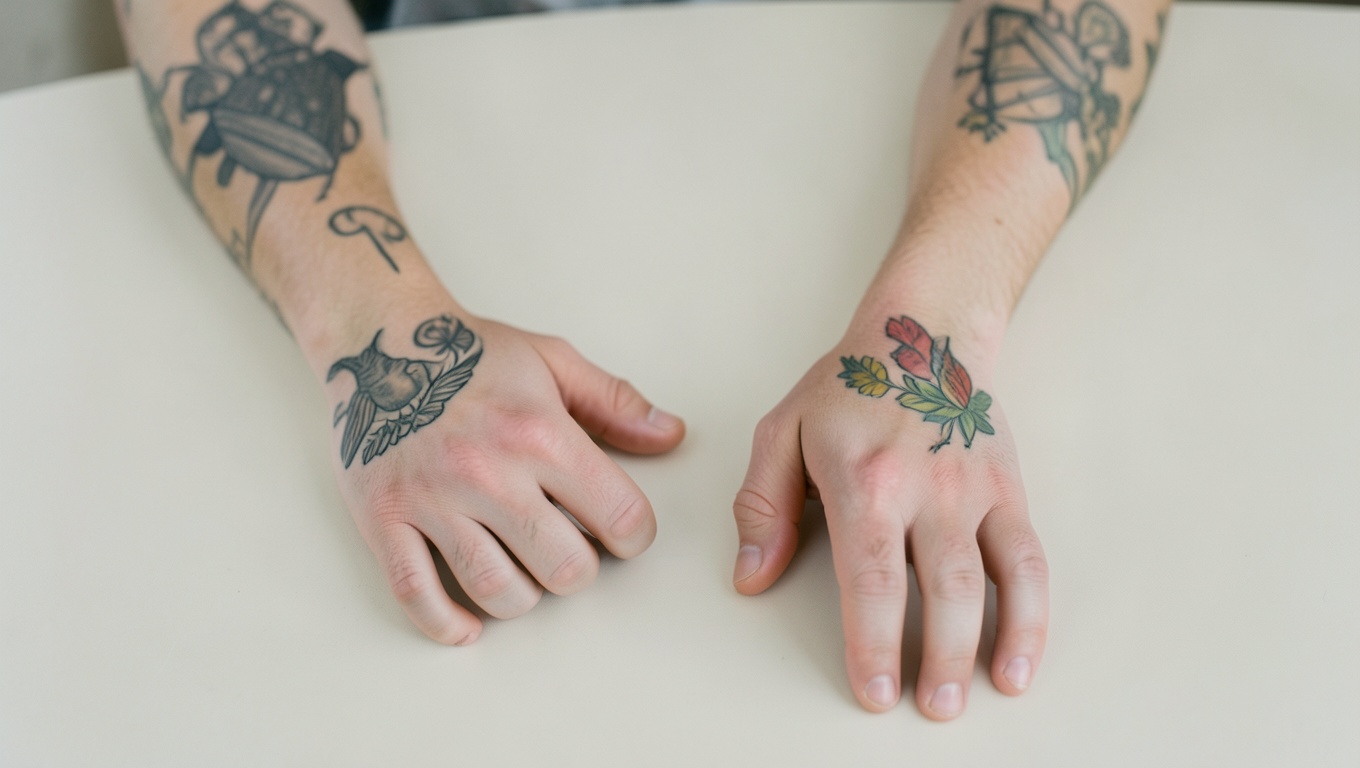
Quick answer: Black and grey ages best, costs less, takes fewer sessions, reads clearly from a distance, and works on every skin tone — the safe long-term choice. Colour is more striking and expressive but fades sooner (especially reds, yellows and whites), takes longer and costs more, and needs touch-ups to stay vivid. The strongest option for many people is a hybrid: a solid black-and-grey structure with selective colour, which keeps the design readable as the brights soften.
Colour or black and grey is one of the few tattoo decisions that genuinely changes how the piece looks in a decade — and unlike most style questions, there are real, practical differences rather than just taste. Here’s the honest comparison so you can choose knowing what you’re signing up for.
Side by side
| Black and grey | Colour | |
|---|---|---|
| Ageing | Best. Black is the most stable pigment; softens gradually into a “lived-in” look while staying legible. | Fades sooner. Reds and oranges shift, yellows and whites go first; blues and greens hold better. |
| Sessions & cost | Fewer sessions, so usually cheaper for the same design. | Colour packing takes multiple passes — more time in the chair, higher cost. |
| Touch-ups | Rare. Can go decades untouched. | Expect refreshes over the years to keep it vivid. |
| Reads from a distance | Excellent — relies on contrast, which survives. | Striking when fresh; can lose punch as tones mute and merge. |
| Skin tone | Works on every skin tone, and gives the strongest contrast on deeper skin. | Works on all skin tones with the right pigments, but needs bold, opaque inks on deeper skin. |
| Healing | Generally straightforward. | Heavily packed colour can be a slightly longer, more tender heal. |
The case for black and grey
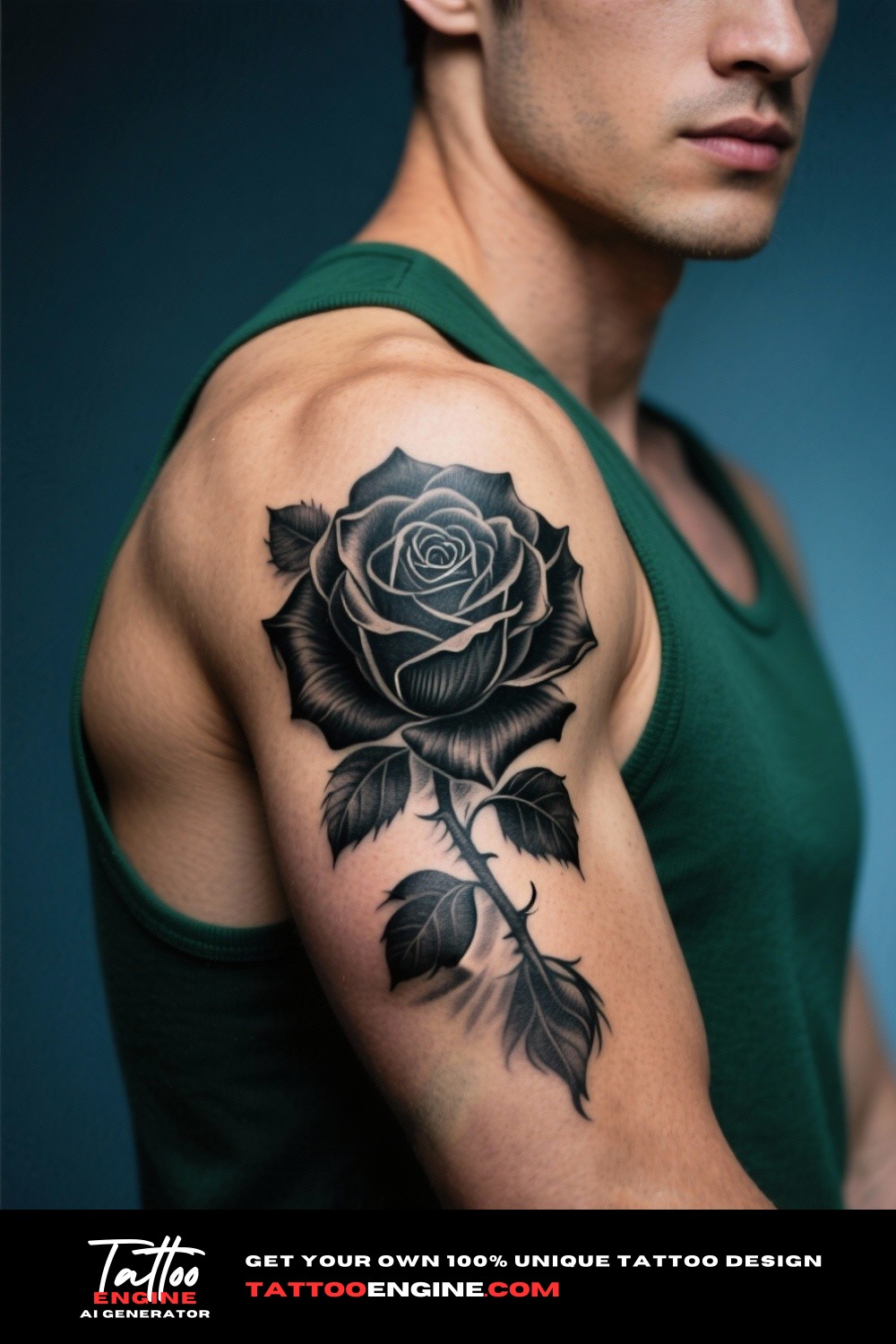
It’s the low-maintenance, high-longevity choice, and there’s a reason so much classic tattooing is built on it. Black is the most stable pigment there is, so a black-and-grey piece keeps its contrast and legibility far longer than a colour one. It’s cheaper because it needs fewer passes, it heals more simply, and it rarely needs touching up. It also suits every skin tone — and on deeper skin it delivers the strongest contrast of anything, as our guide on tattoos on darker skin covers.
Aesthetically it’s not a compromise either: black and grey carries mood, depth and realism beautifully, and ages into something that often looks better with time rather than merely faded.
The case for colour
Colour does things black and grey simply can’t — vibrancy, warmth, and a kind of immediate visual joy. Certain styles depend on it: bold traditional, neo-traditional, watercolour, anything drawing on illustration or nature’s actual palette. If your idea genuinely needs colour to be itself, getting it in black and grey to be “safe” will leave you with a tattoo you like less.
The trade-offs are real but manageable: more sessions and cost upfront, faster fading, and touch-ups over the years to keep it bright. Think of a colour tattoo as a maintained object rather than set-and-forget. If you’re happy with that, colour is a perfectly good choice — plenty of people have vivid colour work that still looks great decades on precisely because they’ve protected and refreshed it.
The hybrid: often the smartest answer
The option many people don’t consider is combining them: build the design on a strong black or dark structure — bold outlines, black shading, solid contrast — and use colour selectively as accent rather than as the whole thing. This gets you the visual pop of colour while ensuring that as the brights inevitably mute, the design still holds its shape and reads clearly, because the black skeleton underneath isn’t going anywhere.
It’s why traditional tattooing has survived so well: heavy black linework with colour filled inside. A hundred-year-old approach that turns out to be the best longevity engineering available.
How to decide
- Choose black and grey if you want minimal upkeep, the longest-lasting result, a lower cost, or your design is about mood, depth, or realism rather than palette.
- Choose colour if the idea genuinely requires it, you love the vibrancy enough to maintain it, and you’re comfortable with more sessions, more cost, and periodic touch-ups.
- Choose a hybrid if you want colour’s impact with black’s durability — which, honestly, suits most people best.
- Either way: placement and sun protection affect longevity more than the colour decision does. A colour tattoo on a covered, sun-protected area will outlast a black one you bake daily. See why tattoos fade.
Don’t let longevity alone decide. The worst outcome is a tattoo you find slightly dull for thirty years because you played it safe. If your idea wants colour, get colour and look after it. If it doesn’t need colour, black and grey will serve you superbly with less effort. And a hybrid gives you most of both.
Do colour tattoos fade faster than black and grey?
Yes. Black is the most stable pigment, so black-and-grey tattoos hold their contrast and legibility for decades, while colours break down sooner — reds and oranges shift, yellows and whites fade first, with blues and greens somewhere in between. That doesn’t make colour a bad choice; it means colour is more of a maintained tattoo, benefiting from periodic touch-ups to stay vivid, whereas black and grey can often go untouched for many years.
Is a colour tattoo more expensive than black and grey?
Usually, yes. Packing solid colour requires multiple passes over the same skin, so a colour piece takes noticeably longer than the same design in black and grey — and since most tattoos are priced by time, that means a higher cost. Colour also tends to need touch-ups over the years to stay bright, adding to the lifetime cost. Black and grey is generally the more economical choice both upfront and long term.
Which looks better on darker skin, colour or black and grey?
Black and grey gives the strongest contrast on deeper skin tones and is exceptionally effective, which is why blackwork looks so striking. But colour absolutely works too — it just needs bold, highly-opaque pigments in deeper shades like crimson, royal blue, and emerald rather than pastels or light tones. The deciding factor is finding an artist with healed work on skin like yours who knows which pigments read well.
Can you mix colour and black and grey in one tattoo?
Yes, and it’s often the smartest approach. Building the design on a strong black structure — bold outlines and black shading — and using colour as selective accent gives you vibrancy now and durability later, because as the colours mute over the years the black skeleton keeps the design readable. It’s essentially how traditional tattooing has always worked, and it’s the reason those pieces age so well.
Should I get black and grey just because it lasts longer?
Not if your idea genuinely needs colour. The worst result is spending decades with a tattoo you find slightly dull because you played it safe. Colour tattoos can look wonderful for many years when protected from the sun and refreshed occasionally. Decide based on what the design actually calls for, then manage longevity through placement, sun protection, and a strong black structure — those affect the outcome more than the colour choice alone.
Frequently asked questions
Do colour tattoos fade faster than black and grey?
+
Yes. Black is the most stable pigment, so black-and-grey tattoos hold their contrast and legibility for decades, while colours break down sooner — reds and oranges shift, yellows and whites fade first, with blues and greens somewhere in between. That doesn’t make colour a bad choice; it means colour is more of a maintained tattoo, benefiting from periodic touch-ups to stay vivid, whereas black and grey can often go untouched for many years.
Is a colour tattoo more expensive than black and grey?
+
Usually, yes. Packing solid colour requires multiple passes over the same skin, so a colour piece takes noticeably longer than the same design in black and grey — and since most tattoos are priced by time, that means a higher cost. Colour also tends to need touch-ups over the years to stay bright, adding to the lifetime cost. Black and grey is generally the more economical choice both upfront and long term.
Which looks better on darker skin, colour or black and grey?
+
Black and grey gives the strongest contrast on deeper skin tones and is exceptionally effective, which is why blackwork looks so striking. But colour absolutely works too — it just needs bold, highly-opaque pigments in deeper shades like crimson, royal blue, and emerald rather than pastels or light tones. The deciding factor is finding an artist with healed work on skin like yours who knows which pigments read well.
Can you mix colour and black and grey in one tattoo?
+
Yes, and it’s often the smartest approach. Building the design on a strong black structure — bold outlines and black shading — and using colour as selective accent gives you vibrancy now and durability later, because as the colours mute over the years the black skeleton keeps the design readable. It’s essentially how traditional tattooing has always worked, and it’s the reason those pieces age so well.
Should I get black and grey just because it lasts longer?
+
Not if your idea genuinely needs colour. The worst result is spending decades with a tattoo you find slightly dull because you played it safe. Colour tattoos can look wonderful for many years when protected from the sun and refreshed occasionally. Decide based on what the design actually calls for, then manage longevity through placement, sun protection, and a strong black structure — those affect the outcome more than the colour choice alone.
Related designs
Free galleries from the same corner of the site.

Keep reading

Patchy or Faded After Healing: Do You Need a Touch-Up?
A tattoo that looks patchy in the weeks after healing often isn’t finished settling. Here is how to tell a genuine touch-up need from the normal cloudy phase, when free touch-ups apply, and how to ask for one.
How Tattoos Age: Your Ink at 5, 10, and 20 Years
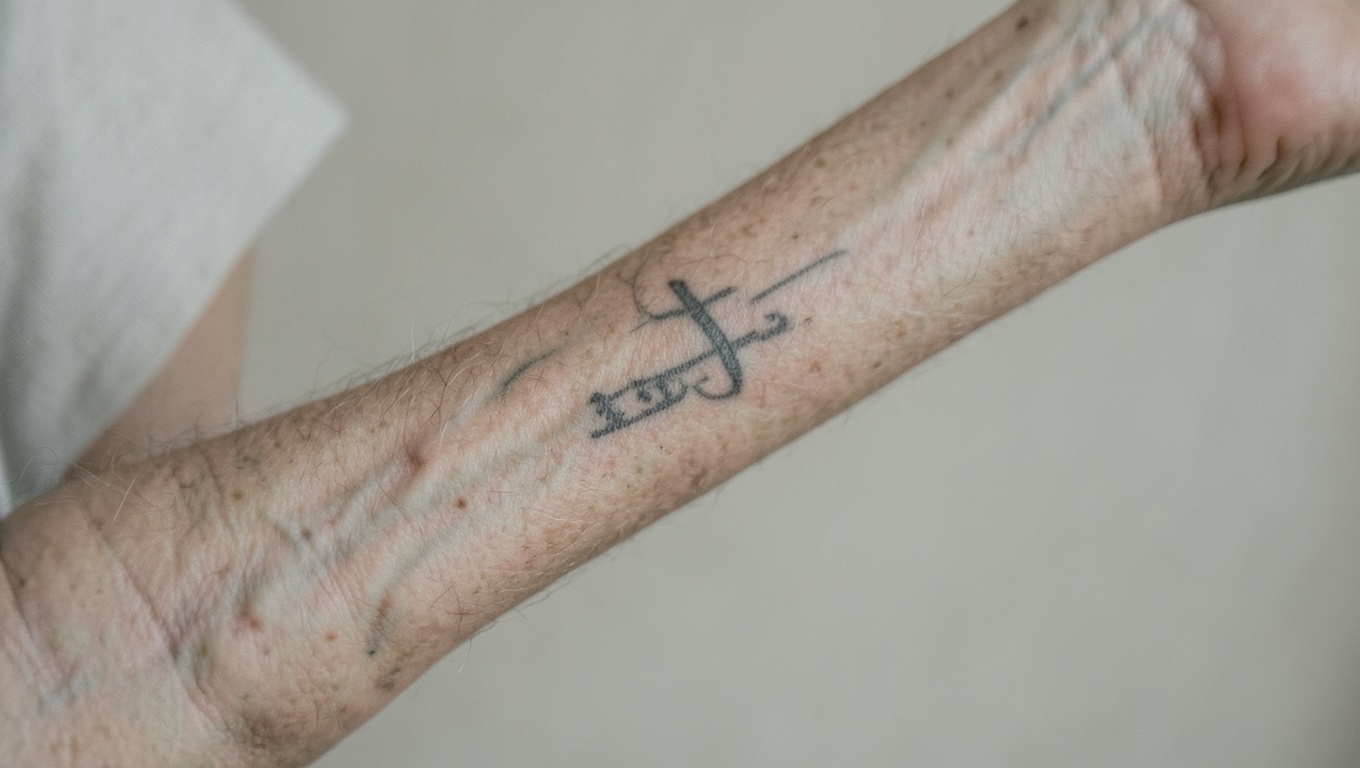
A tattoo is a lifetime object, so it helps to know how it will actually change. Here is what happens to ink at 5, 10, and 20 years, which styles and placements hold up, and how to design for the version of your tattoo you will wear the longest.
Fine Line Tattoos: Will They Blur? A Straight Answer Before You Commit
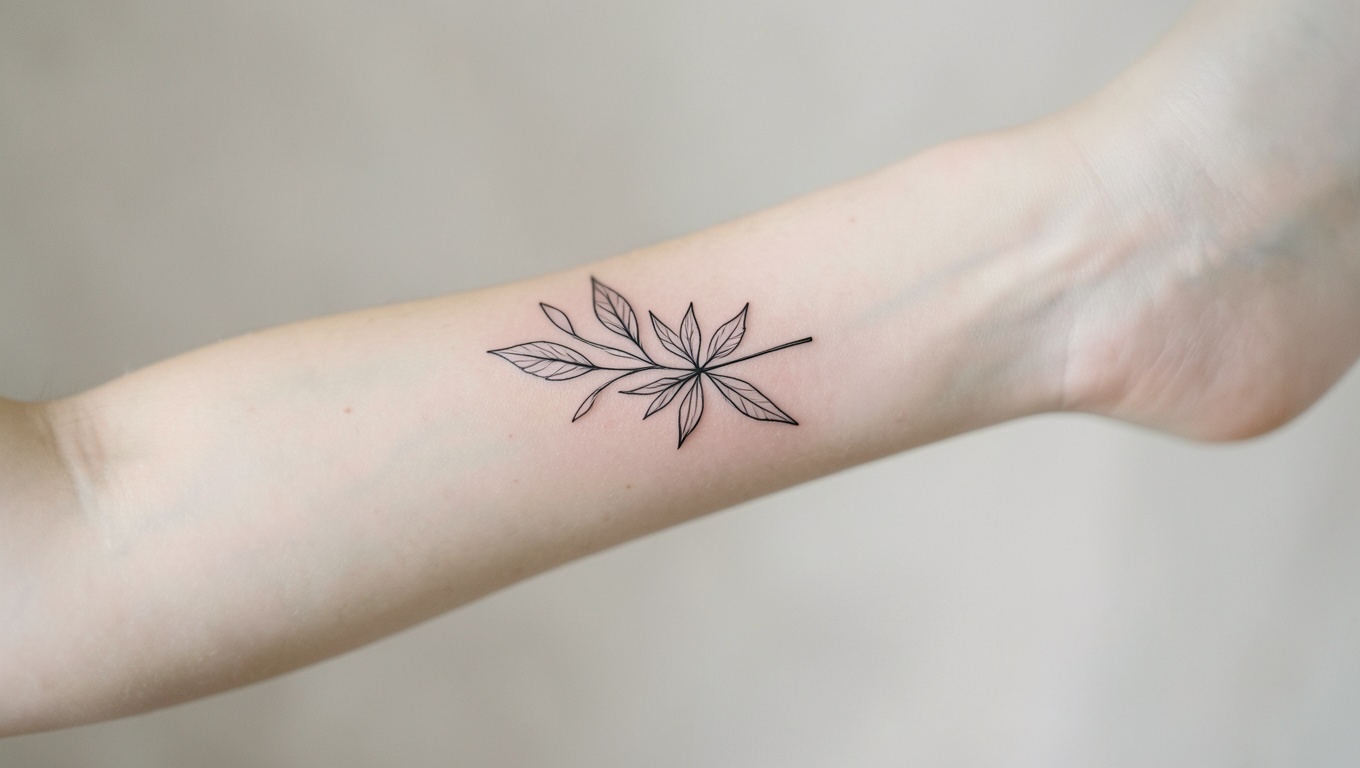
Fine line tattoos are beautiful and hugely popular, but they do fade and soften faster than bold work. Here is an honest look at what blurs and why, the fine-line pieces that actually hold up, and how to get one that lasts.
