Tattoo Styles Explained: 14 Styles in Plain English, and Which Age Best
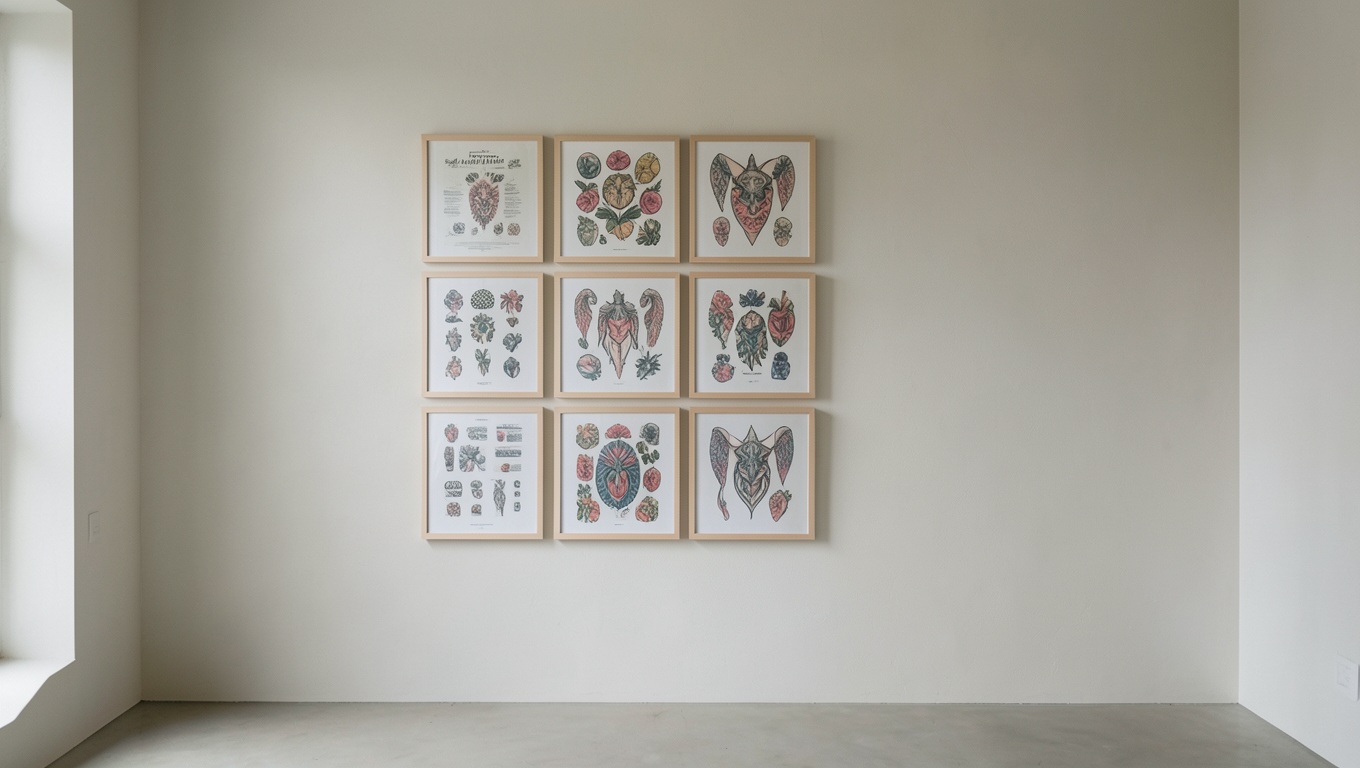
Quick answer: Style is the vocabulary that connects your idea to the right artist. The broadly best-ageing styles are traditional, blackwork, and bold illustrative — heavy lines and strong contrast with room to soften. The most maintenance-hungry are fine line, single needle, watercolour, and micro-realism, which rely on delicate detail or light pigment. Most artists specialise, so naming the style is the fastest route to the right person.
“I want a rose” tells an artist almost nothing. “I want a bold traditional rose” tells them everything — the line weight, the palette, the shading approach, and whether they’re the right person for it. Learning a handful of style names is the single most efficient thing you can do to get the tattoo you’re picturing. Here are fourteen, in plain English.
The styles
| Style | What it is | Suits | Ageing |
|---|---|---|---|
| Traditional (American/Old School) | Bold black outlines, a limited palette of solid reds, greens and yellows, simple iconic imagery — anchors, roses, swallows. | Anyone wanting something timeless and durable. | Excellent — the benchmark. Built with margin. |
| Neo-traditional | Traditional’s bold lines with a wider palette, more detail and depth, more illustrative subjects. | Rich, decorative pieces with personality. | Very good — keeps the strong line structure. |
| Blackwork | Solid black shapes, heavy graphic designs, patterns and negative space. | Bold statements; superb on all skin tones, especially deeper ones. | Excellent — black is the most stable pigment. |
| Fine line | Thin, delicate, precise linework; botanicals, minimal figures, small script. | Subtle, elegant, understated pieces. | Needs care — softens sooner; see our fine line guide. |
| Single needle | Fine line taken further, using one needle for extremely delicate detail. | Very small, intricate, subtle work. | The most maintenance-hungry of all. |
| Black and grey | Black ink diluted to grey washes for shading and depth, no colour. | Realism, portraits, moody atmospheric pieces. | Very good — relies on contrast that lasts. |
| Realism | Photographic detail, in colour or black and grey. | Portraits, animals, lifelike subjects. | Moderate — needs size and a skilled artist; small realism blurs. |
| Illustrative | Drawn or storybook-like, mixing linework and shading; anything from etching to comic styles. | Narrative, characterful designs. | Good when bold; weaker when very fine. |
| Japanese (Irezumi) | Traditional motifs — koi, dragons, waves, peonies — with bold outlines, flowing composition and background elements. | Large, cohesive pieces like sleeves and backs. | Excellent — designed over centuries to age well. |
| Geometric | Precise shapes, symmetry, patterns, mandalas, dotwork. | Ornamental, structured designs. | Good if bold; precise thin lines show distortion as skin ages. |
| Dotwork / stippling | Shading built from dots rather than solid fill, often with geometric or ornamental work. | Textured, intricate ornamental pieces. | Good — dots can merge over time if packed very tightly. |
| Watercolour | Soft washes and splashes mimicking paint, often without outlines. | Bright, painterly, unconventional pieces. | Weakest — light pigments and no black structure; needs upkeep. |
| Lettering / script | Words and quotes in anything from calligraphy to bold block. | Meaningful words and names. | Depends on size and weight — keep it short and not too small. |
| Tribal | Bold black patterns rooted in various cultural traditions. | Strong graphic statements. | Excellent — solid black, bold shapes. |
Choosing between them
Style isn’t just aesthetics — it’s a set of trade-offs:
- Want it to last decades with minimal fuss? Traditional, Japanese, blackwork, or bold neo-traditional.
- Want something delicate and subtle? Fine line or single needle — go in knowing they need sun protection and occasional touch-ups.
- Want photographic detail? Realism, but give it enough size to hold. Small realism is the classic mistake.
- Deeper skin tone? Blackwork, traditional and bold styles read superbly. Colour works with the right pigments — see our guide on tattoos and darker skin.
- Want colour but worried about fading? Choose a style with black structure underneath — traditional and neo-traditional are engineered exactly this way. Our colour vs black and grey guide covers it.
A word on trends
Certain looks surge periodically — recent years have favoured fine line, micro-tattoos, delicate florals, single-line drawings, patchwork sleeves, and chrome or Y2K-inspired effects. There’s nothing wrong with liking what’s current; plenty of trends are popular because they’re genuinely appealing. But it’s worth asking yourself the question from our regret guide: would you want this if it weren’t everywhere right now? A trend-driven design in a fast-ageing style is the combination most likely to disappoint in a decade. The same idea rendered in a durable style usually survives both the trend cycle and time.
How to ask for a style
Use the name if you know it, and back it with examples: “I’m after neo-traditional — bold lines, rich colour, something ornamental.” If you don’t know the name, describe the qualities instead: line weight (“bold outlines” or “very thin lines”), colour (“black and grey only” or “full colour”), and feel (“clean and graphic” or “soft and painterly”). Then show two or three references. Our guide on describing your idea covers this fully.
Then find an artist who specialises in that style. Almost every artist has a lane, and their best work is inside it. Someone superb at bold traditional may be the wrong choice for delicate single-needle work. Matching style to specialist — checking their healed portfolio, as our artist guide explains — is the single biggest factor in whether you love the result.
Where to go from here: browse the free tattoo designs galleries to see styles side by side, or try the tattoo generator to explore how your idea looks in different styles before you take it to an artist.
What are the most popular tattoo styles?
Traditional (bold outlines and a limited solid palette), fine line (delicate thin linework), blackwork (solid black graphic designs), black and grey (shading without colour), realism, Japanese, neo-traditional, and geometric are among the most common. In recent years fine line, minimal florals, single-line drawings and small delicate pieces have been especially popular. Each has different strengths and ageing characteristics, so the “best” one depends on what you want from the tattoo.
Which tattoo style ages the best?
Traditional, Japanese, blackwork, and bold neo-traditional age best, because they’re built on heavy outlines, solid black, and space between elements — so as everything softens over the decades the design still holds its shape and reads clearly. Styles that rely on very delicate detail or light pigments, like single needle, micro-realism, and watercolour, need the most upkeep and lose definition soonest.
How do I know which tattoo style I want?
Collect images of tattoos you love and look for what they have in common — line weight, whether they use colour, how detailed they are, and the overall feel. That pattern usually points at a style, and you can match it to the names in this guide. If you can’t name it, describe the qualities instead: “bold outlines, black and grey only, clean and graphic” communicates just as well to an artist as a style name does.
Do tattoo artists specialise in specific styles?
Yes, almost all of them do, and it matters enormously. An artist’s best work is inside their lane — someone excellent at bold traditional may not be the right choice for delicate single-needle work, and vice versa. This is why naming the style helps so much: it lets you search for a specialist and check their healed portfolio in that style, which is the biggest factor in whether you love the finished tattoo.
Should I get a tattoo in a trendy style?
It’s fine to like what’s current — many trends are popular because they’re genuinely appealing. The useful test is whether you’d want the design if it weren’t everywhere right now. The riskiest combination is a trend-driven idea rendered in a fast-ageing style, since you may tire of it just as it starts losing definition. The same idea in a durable style like traditional or blackwork tends to outlast both the trend cycle and the years.
Frequently asked questions
What are the most popular tattoo styles?
+
Traditional (bold outlines and a limited solid palette), fine line (delicate thin linework), blackwork (solid black graphic designs), black and grey (shading without colour), realism, Japanese, neo-traditional, and geometric are among the most common. In recent years fine line, minimal florals, single-line drawings and small delicate pieces have been especially popular. Each has different strengths and ageing characteristics, so the “best” one depends on what you want from the tattoo.
Which tattoo style ages the best?
+
Traditional, Japanese, blackwork, and bold neo-traditional age best, because they’re built on heavy outlines, solid black, and space between elements — so as everything softens over the decades the design still holds its shape and reads clearly. Styles that rely on very delicate detail or light pigments, like single needle, micro-realism, and watercolour, need the most upkeep and lose definition soonest.
How do I know which tattoo style I want?
+
Collect images of tattoos you love and look for what they have in common — line weight, whether they use colour, how detailed they are, and the overall feel. That pattern usually points at a style, and you can match it to the names in this guide. If you can’t name it, describe the qualities instead: “bold outlines, black and grey only, clean and graphic” communicates just as well to an artist as a style name does.
Do tattoo artists specialise in specific styles?
+
Yes, almost all of them do, and it matters enormously. An artist’s best work is inside their lane — someone excellent at bold traditional may not be the right choice for delicate single-needle work, and vice versa. This is why naming the style helps so much: it lets you search for a specialist and check their healed portfolio in that style, which is the biggest factor in whether you love the finished tattoo.
Should I get a tattoo in a trendy style?
+
It’s fine to like what’s current — many trends are popular because they’re genuinely appealing. The useful test is whether you’d want the design if it weren’t everywhere right now. The riskiest combination is a trend-driven idea rendered in a fast-ageing style, since you may tire of it just as it starts losing definition. The same idea in a durable style like traditional or blackwork tends to outlast both the trend cycle and the years.
Related designs
Free galleries from the same corner of the site.
Keep reading
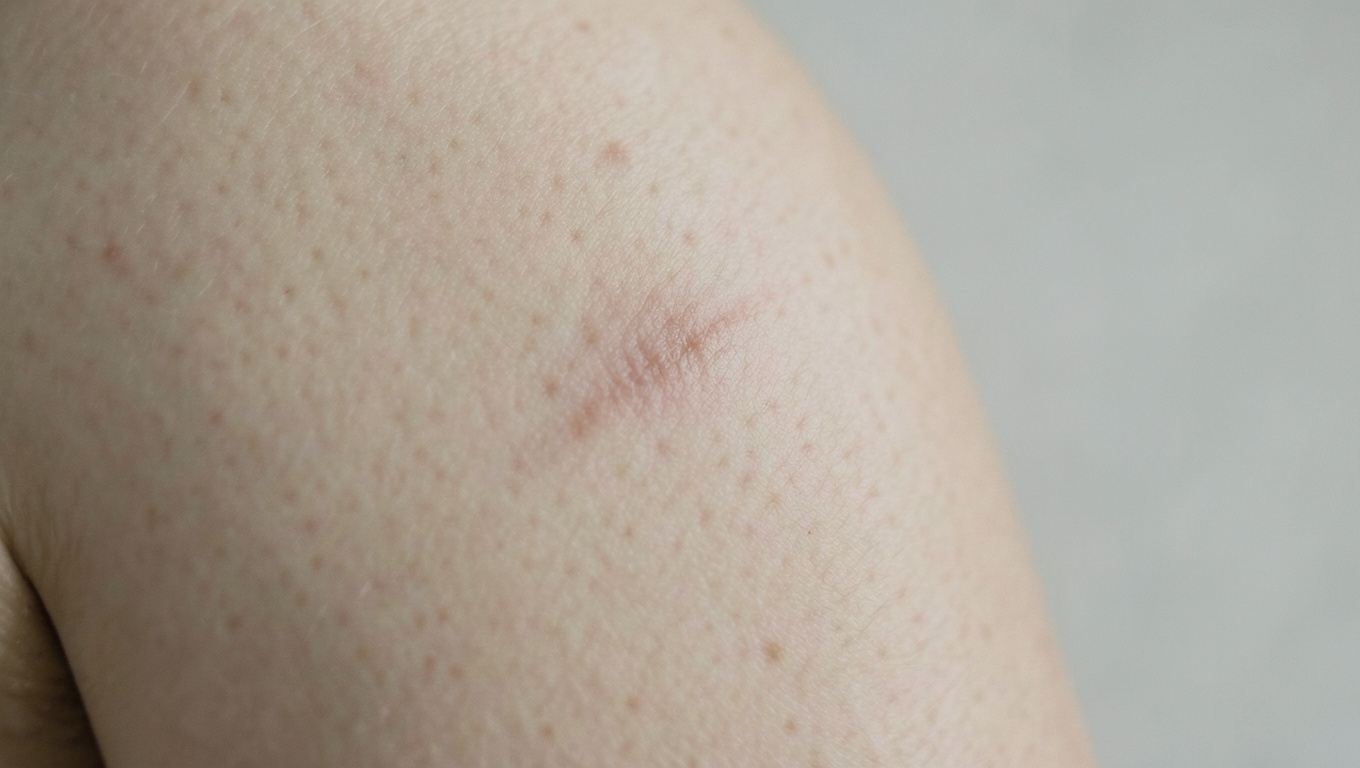
Tattooing Over Scars, Stretch Marks, and Moles: What’s Possible
Scars and stretch marks can be tattooed with the right timing and the right artist. Moles are a different story. Here is what’s realistically possible for each, the risks to know about, and how to set expectations.

Can You Get a Tattoo With Eczema, Psoriasis, on Blood Thinners, or While Pregnant?
Some health conditions rule a tattoo out, others just need planning and a conversation with your doctor. Here is a plain answer for the most common ones, what artists will and won’t do, and what to ask before you book.
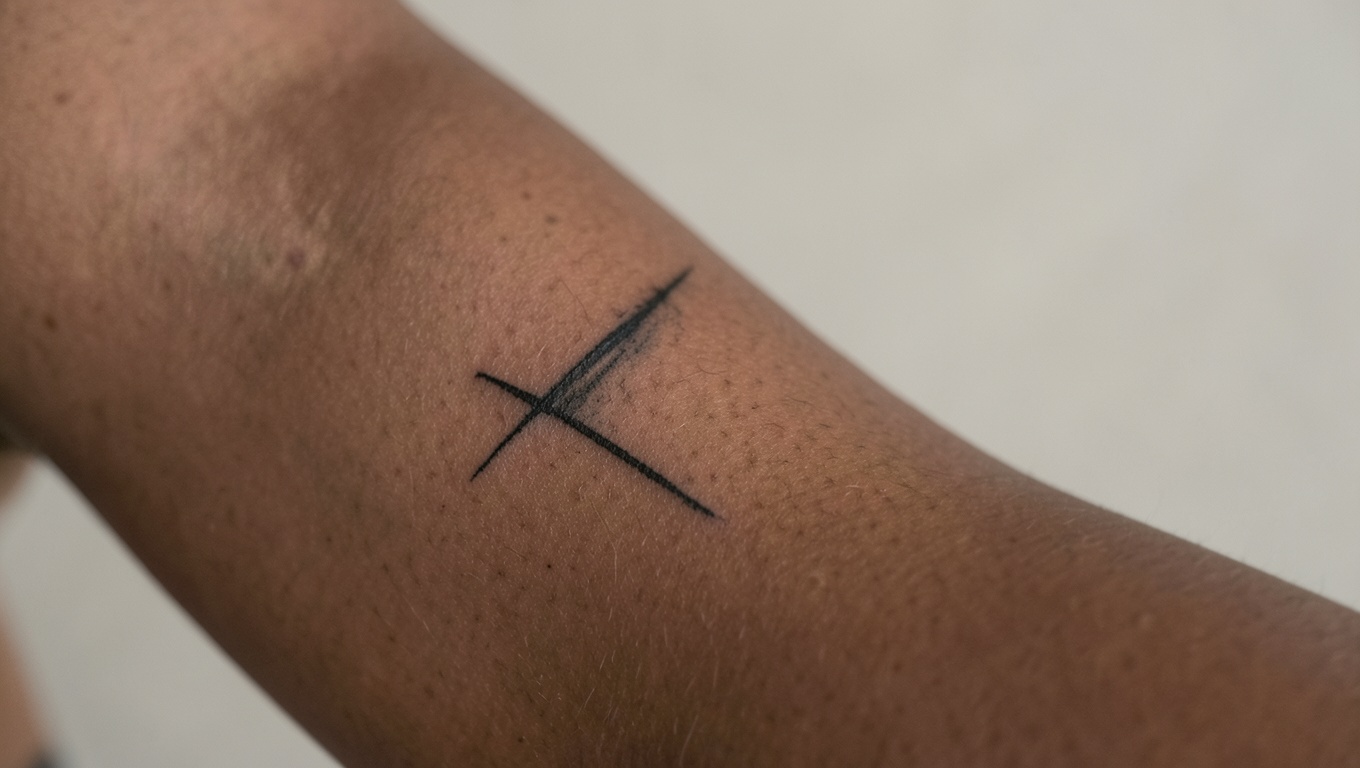
Tattoos on Darker Skin: What Works, What Doesn’t, and the Myths to Ignore
The idea that dark skin can’t take colour is a technique problem dressed up as a fact. Here is how ink actually behaves on deeper skin tones, which colours and styles read best, and how to find an artist with the right experience.
